










Loading additional questions...
Popular
What motivates the main character, a young man named Rudi, to seek out the practice of ngangkung?
How does Rudi's relationship with his girlfriend, Sari, evolve throughout the film?
What role does the character of the shaman play in Rudi's journey?
What are the consequences of Rudi's decision to engage in ngangkung?
How does the film depict the theme of desperation through Rudi's actions?
Should I watch it?
Ask Your Own Question

What is the plot?
Sorry, we aren't able to watch and write up a full detailed plot yet. Check back in a few days.





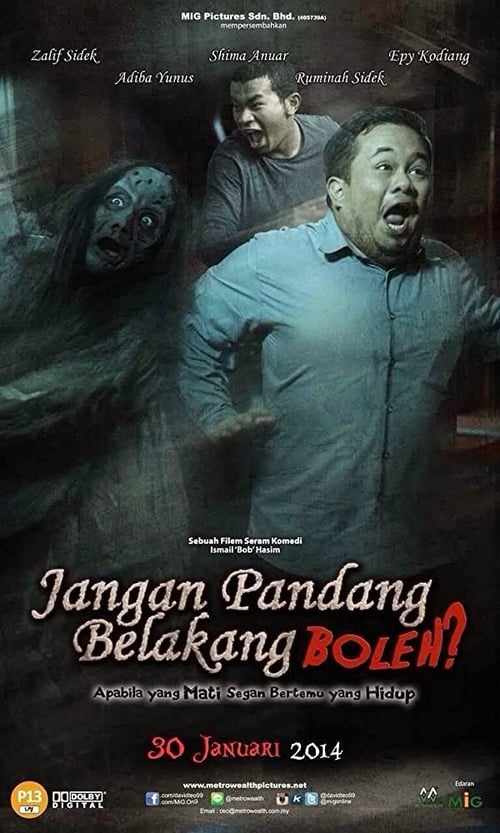
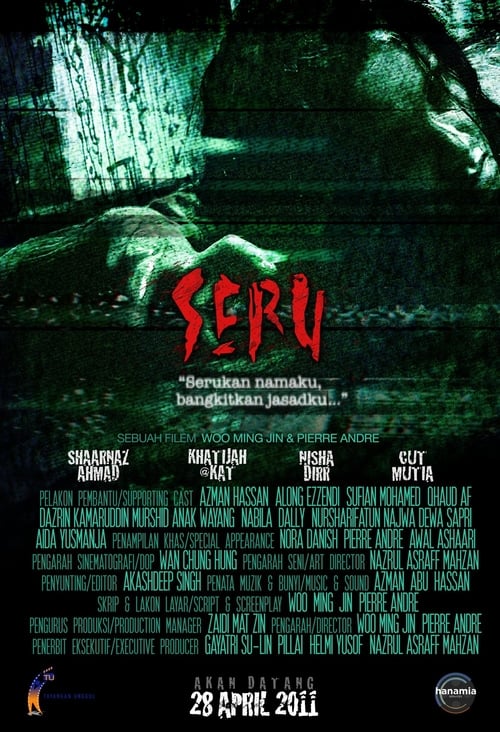
What is the ending?
In the ending of "Ngangkung," the main characters face the consequences of their actions as they confront the supernatural forces they have invoked. The film culminates in a tense showdown where the characters must deal with the repercussions of their decisions, leading to a resolution that highlights the themes of responsibility and the dangers of meddling with the unknown.
As the climax unfolds, the characters are drawn into a series of harrowing events that test their resolve and relationships. Ultimately, they must confront the spirits they have summoned, leading to a dramatic conclusion that leaves them changed forever.
The ending of "Ngangkung" begins with a palpable tension as the main characters, who have been dabbling in the supernatural, find themselves in a dire situation. The atmosphere is thick with dread as they gather in a dimly lit room, the air heavy with the weight of their choices. The flickering candlelight casts eerie shadows on the walls, reflecting their inner turmoil and fear.
As they attempt to communicate with the spirits they have summoned, the characters experience a series of unsettling occurrences. Objects move inexplicably, and whispers echo in the corners of the room, heightening their anxiety. Each character grapples with their own guilt and fear, revealing their internal struggles. One character, who initially sought power and wealth, begins to realize the true cost of their ambition. Another, who was skeptical of the supernatural, is forced to confront the reality of their situation as they witness the chaos unfold.
The tension escalates when the spirits they have called upon manifest in a more aggressive manner. The characters are thrown into a frenzy, desperately trying to appease the entities they have disturbed. Panic sets in as they realize that their actions have consequences far beyond what they anticipated. The room becomes a battleground of wills, with each character fighting not only for their lives but also for redemption.
In a pivotal moment, one character makes a selfless decision, sacrificing their own safety to protect the others. This act of bravery shifts the dynamics among the group, as they begin to understand the importance of unity and trust in the face of adversity. The emotional stakes are high, and the audience can feel the weight of their choices pressing down on them.
As the climax reaches its peak, the characters confront the spirits head-on. The visuals are striking, with swirling shadows and flashes of light creating a chaotic yet mesmerizing scene. Each character faces their own fears and regrets, leading to a cathartic release as they confront the spirits. The resolution is not without cost; some characters are left irrevocably changed, while others find a sense of closure.
In the aftermath, the surviving characters emerge from the ordeal, visibly shaken but transformed. They carry the scars of their experiences, both physically and emotionally. The character who sacrificed themselves is honored in a poignant moment, reminding the others of the importance of their choices and the bonds they share. The film closes on a somber note, with the remaining characters reflecting on their journey and the lessons learned, leaving the audience with a lingering sense of the consequences of their actions.
In summary, the fates of the main characters are intertwined with the supernatural events they invoked. Some find redemption, while others are left to grapple with the aftermath of their decisions, emphasizing the film's themes of responsibility and the dangers of tampering with forces beyond their understanding.
Is there a post-credit scene?
What motivates the main character, a young man named Rudi, to seek out the practice of ngangkung?
Rudi, portrayed as a struggling individual facing numerous personal and financial challenges, is driven by desperation and a desire for change. His life is marked by failures, including a lack of success in his career and relationships. The allure of ngangkung, a traditional practice that promises to fulfill wishes and bring fortune, becomes a beacon of hope for him. Rudi's internal conflict is palpable as he grapples with the moral implications of seeking supernatural assistance versus relying on his own efforts.
How does Rudi's relationship with his girlfriend, Sari, evolve throughout the film?
Rudi's relationship with Sari is initially strained due to his obsession with finding quick solutions to his problems through ngangkung. Sari, who represents a more grounded and rational perspective, becomes increasingly frustrated with Rudi's choices. As Rudi delves deeper into the world of ngangkung, their emotional distance grows, leading to moments of tension and confrontation. Ultimately, Sari's concern for Rudi's well-being forces her to confront him about his decisions, highlighting the emotional stakes of their relationship.
What role does the character of the shaman play in Rudi's journey?
The shaman, a pivotal figure in Rudi's quest for fortune, embodies the mystical elements of the ngangkung practice. He serves as both a guide and a manipulator, offering Rudi the promise of success while also revealing the darker consequences of engaging with supernatural forces. The shaman's enigmatic presence creates a sense of foreboding, as Rudi becomes increasingly entangled in the shaman's world. This relationship illustrates Rudi's internal struggle between seeking help and the potential loss of his autonomy.
What are the consequences of Rudi's decision to engage in ngangkung?
Rudi's choice to engage in ngangkung leads to a series of escalating events that spiral out of his control. Initially, he experiences a surge of success, which reinforces his belief in the practice. However, as he becomes more reliant on the shaman and the supernatural, he faces dire repercussions, including the deterioration of his relationships and the emergence of malevolent forces. The consequences manifest not only in his personal life but also in his mental state, as he grapples with guilt and fear, ultimately leading to a dramatic climax.
How does the film depict the theme of desperation through Rudi's actions?
The film vividly illustrates Rudi's desperation through his increasingly reckless decisions and emotional turmoil. As he faces mounting pressures from his job and personal life, his longing for a quick fix drives him to the shaman. The cinematography captures his frantic search for solutions, with close-ups of his anxious expressions and the chaotic environments he navigates. Rudi's desperation is further emphasized in moments of isolation, where he reflects on his failures, showcasing his internal struggle and the lengths he is willing to go to escape his reality.
Is this family friendly?
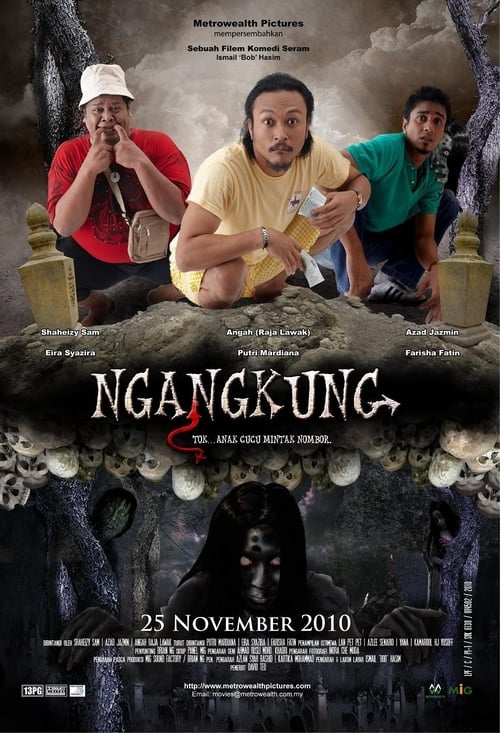
"Ngangkung," produced in 2010, is a Malaysian horror-comedy film that contains elements that may not be suitable for children or sensitive viewers. Here are some potentially objectionable or upsetting aspects:
-
Supernatural Themes: The film revolves around the concept of spiritual possession and the supernatural, which may be frightening for younger audiences.
-
Scary Imagery: There are scenes featuring ghostly apparitions and unsettling visuals that could provoke fear or anxiety.
-
Violence: Some scenes may depict mild violence or threatening situations that could be distressing.
-
Dark Humor: The film employs dark humor that may not be appropriate for all viewers, particularly children.
-
Mature Themes: The storyline includes themes of desperation and the lengths to which individuals will go to solve their problems, which may be heavy for younger viewers.
Overall, while "Ngangkung" has comedic elements, its horror aspects and mature themes may make it less suitable for a family-friendly viewing experience.









