
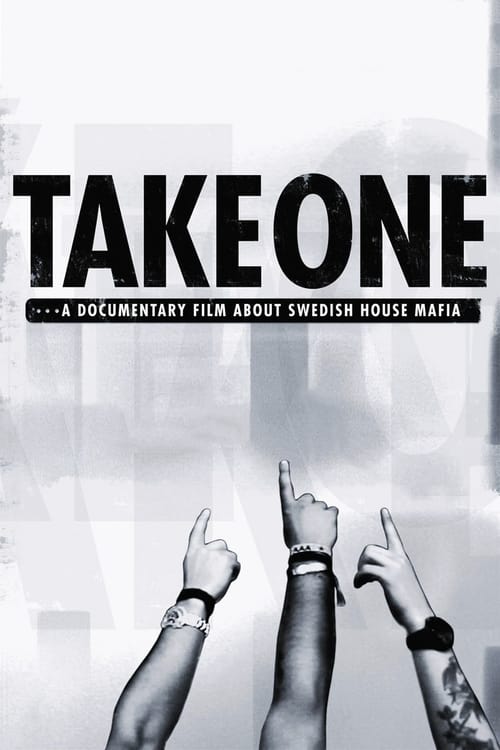




Popular
What are the key moments that showcase the rise of Swedish House Mafia?
How does the film portray the individual personalities of the members of Swedish House Mafia?
What challenges do the members face during their journey in the documentary?
How does the documentary depict the relationship between the members of Swedish House Mafia?
What role does the music play in the storytelling of the documentary?
Should I watch it?
Ask Your Own Question

What is the plot?
Sorry, we aren't able to watch and write up a full detailed plot yet. Check back in a few days.
More Movies Like This
Browse All Movies →







What is the ending?
In the ending of "Take One: A Documentary Film About Swedish House Mafia," the film culminates in a powerful performance at the Ultra Music Festival in Miami, where the trio--Axwell, Sebastian Ingrosso, and Steve Angello--delivers an electrifying set that encapsulates their journey and the emotional highs and lows of their career. The film concludes with a sense of bittersweet nostalgia as they reflect on their time together, hinting at the impending end of their collaboration.
As the final scenes unfold, the camera captures the vibrant atmosphere of the Ultra Music Festival. The sun sets over Miami, casting a golden hue over the crowd, which is buzzing with anticipation. The trio takes the stage, and the energy is palpable. Axwell, Ingrosso, and Angello stand together, united in their passion for music and the connection they share with their fans. The audience erupts in cheers as they launch into their set, the beats pulsating through the air, creating an electric connection between the performers and the crowd.
The camera shifts to close-ups of the trio, revealing their expressions of joy and intensity. Each member is lost in the moment, fully immersed in the music they have created together. The visuals are a kaleidoscope of lights and colors, enhancing the euphoric atmosphere. As they play their hits, the crowd sings along, a sea of hands raised in unison, embodying the collective experience of the music.
As the performance reaches its climax, the emotional weight of the moment becomes evident. The trio exchanges glances, a silent acknowledgment of their journey together--the struggles, the triumphs, and the bond they have forged. The music swells, and the crowd's energy peaks, creating a euphoric moment that feels both celebratory and reflective.
After the performance, the film transitions to a quieter moment backstage. The trio sits together, visibly moved by the experience. They share their thoughts on what it means to have reached this point in their careers. There is a sense of gratitude for the journey they have shared, but also an underlying tension as they acknowledge that this may be one of their last performances together. Each member expresses a mix of pride and sadness, recognizing the end of an era.
The film closes with a montage of their past performances, interspersed with candid moments from their time together. The final images show them embracing, a poignant reminder of their friendship and the impact they have had on the music world. As the screen fades to black, the audience is left with a sense of closure, understanding that while their collaboration may be ending, the legacy of Swedish House Mafia will continue to resonate in the hearts of their fans.
Is there a post-credit scene?
The documentary "Take One: A Documentary Film About Swedish House Mafia" does not feature a post-credit scene. The film concludes with a focus on the journey and experiences of the trio--Axwell, Sebastian Ingrosso, and Steve Angello--as they navigate their rise to fame in the electronic dance music scene. The final moments encapsulate their reflections on success, friendship, and the challenges they face, leaving viewers with a sense of closure regarding their story without any additional scenes after the credits.
What are the key moments that showcase the rise of Swedish House Mafia?
The documentary captures several pivotal moments in the rise of Swedish House Mafia, including their early performances in small clubs, the explosive energy of their shows at major festivals, and their emotional connection with fans. One significant scene features their performance at the Ultra Music Festival in Miami, where the crowd's overwhelming response highlights their growing popularity.
How does the film portray the individual personalities of the members of Swedish House Mafia?
The film delves into the distinct personalities of the trio--Axwell, Sebastian Ingrosso, and Steve Angello. Axwell is depicted as the thoughtful strategist, often reflecting on their journey and the pressures of fame. Ingrosso is shown as the energetic and passionate performer, while Angello is portrayed as the emotional core, grappling with the challenges of their success and the toll it takes on their relationships.
What challenges do the members face during their journey in the documentary?
Throughout the documentary, the members face various challenges, including the pressure of maintaining their success, the strain on their personal lives, and the fear of losing their creative identity. A particularly poignant moment occurs when they discuss the emotional weight of their fame and the sacrifices they make, such as time away from family and friends.
How does the documentary depict the relationship between the members of Swedish House Mafia?
The film illustrates a deep bond between the members, showcasing their camaraderie and shared experiences. Scenes of them collaborating in the studio reveal their creative synergy, while candid moments of laughter and support highlight their friendship. However, it also touches on the tensions that arise from their differing visions and the pressures of their career.
What role does the music play in the storytelling of the documentary?
Music is central to the storytelling in 'Take One.' The documentary features a rich soundtrack of their hits, which not only underscores the emotional highs and lows of their journey but also serves as a backdrop to their performances. Key scenes are enhanced by their iconic tracks, allowing viewers to experience the energy and passion that define Swedish House Mafia's impact on the electronic music scene.
Is this family friendly?
"Take One: A Documentary Film About Swedish House Mafia" primarily focuses on the rise of the electronic music trio, showcasing their journey, performances, and the culture surrounding their music. While the film is largely centered on their artistic expression and the music scene, there are a few aspects that may be considered objectionable or upsetting for children or sensitive viewers:
-
Language: The documentary includes strong language, which may not be suitable for younger audiences.
-
Party Scenes: There are scenes depicting nightlife and large parties, which may include excessive drinking and drug use, reflecting the hedonistic aspects of the music industry.
-
Emotional Struggles: The film touches on the pressures and emotional challenges faced by the artists, including moments of stress and anxiety, which may be intense for some viewers.
-
Intense Visuals: The fast-paced editing and vibrant visuals of concerts and festivals may be overwhelming for sensitive viewers, particularly those with sensory sensitivities.
Overall, while the film is a celebration of music and creativity, these elements may warrant caution for family-friendly viewing.








