



















Popular
What motivates the main character, the villain, in the story?
How does Kiran's relationship with his family influence his actions throughout the film?
What role does the police officer play in the story, and how does he impact Kiran's journey?
How does Kiran's past shape his interactions with other characters in the film?
What are the key turning points in Kiran's character development throughout the film?
Should I watch it?
Ask Your Own Question

What is the plot?
Sorry, we aren't able to watch and write up a full detailed plot yet. Check back in a few days.





What is the ending?
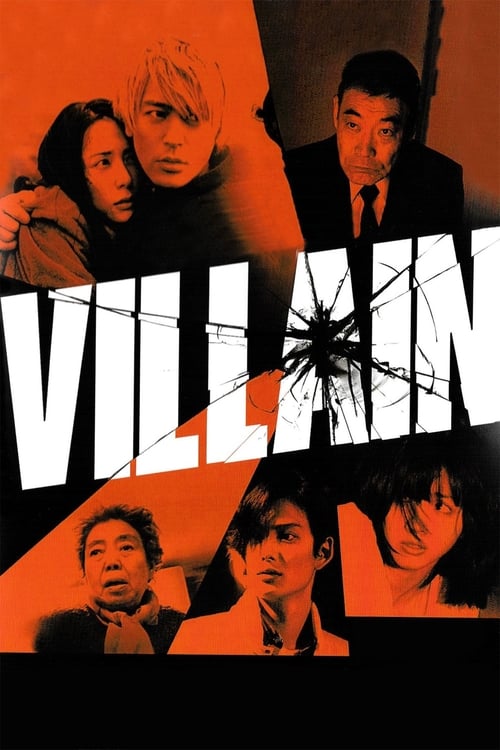
In the ending of the movie "Villain," the protagonist, a gangster named Kiran, faces off against his former mentor, who has betrayed him. The climax unfolds in a tense confrontation, leading to a tragic resolution where Kiran's choices culminate in violence and loss. Ultimately, Kiran's fate is sealed as he confronts the consequences of his life of crime, leaving a haunting impact on those around him.
As the film approaches its conclusion, the atmosphere is thick with tension. Kiran, played by the intense and brooding actor, is seen grappling with the weight of his decisions. The scene opens in a dimly lit warehouse, a stark contrast to the vibrant life he once led. Shadows dance across the walls as he prepares for the inevitable confrontation with his former mentor, who has now become his adversary.
Kiran's internal struggle is palpable; he is torn between loyalty and betrayal. Flashbacks of their past relationship flicker in his mind, showcasing moments of camaraderie and trust. However, the present reality is grim, as he realizes that his mentor has manipulated him for his own gain. The emotional stakes are high, and Kiran's face reflects a mixture of anger, sadness, and determination.
As he enters the warehouse, the air is thick with anticipation. His mentor, a charismatic yet ruthless figure, stands waiting, flanked by a group of henchmen. The tension escalates as they exchange heated words, each revealing their motivations and regrets. Kiran's voice trembles with emotion as he confronts the betrayal, while his mentor remains cold and calculating, embodying the very essence of the villain he has become.
The confrontation quickly turns violent. Kiran, fueled by a mix of rage and desperation, fights back against the henchmen. The choreography of the fight is brutal and raw, showcasing Kiran's physical prowess but also his emotional turmoil. Each punch he throws is not just a physical blow but a release of his pent-up frustrations and disappointments.
As the fight reaches its climax, Kiran finally faces his mentor one-on-one. The struggle is fierce, and the warehouse echoes with the sounds of their conflict. In a moment of vulnerability, Kiran pleads for understanding, revealing the pain of betrayal that has driven him to this point. However, his mentor, embodying the coldness of a true villain, shows no remorse. The fight culminates in a tragic moment where Kiran, in a moment of desperation, makes a fatal choice that seals his fate.
In the aftermath, the warehouse is silent, save for the heavy breathing of Kiran as he stands over his mentor's lifeless body. The weight of his actions crashes down on him, and the realization of what he has done sinks in. The camera lingers on Kiran's face, capturing the mix of triumph and horror as he grapples with the consequences of his choices.
As the scene fades, we see Kiran walking away from the warehouse, a solitary figure against the backdrop of a city that once felt like home. The emotional toll of his journey is evident in his posture; he is a man marked by loss and regret. The final shot lingers on his face, a haunting reminder of the cost of his life as a gangster and the heavy burden of being a villain in his own story.
In the end, Kiran's fate is sealed by his choices, leaving him to confront the emptiness that follows a life of violence. The film closes on a somber note, emphasizing the tragic consequences of betrayal and the cyclical nature of violence, leaving the audience to reflect on the true meaning of villainy.
Is there a post-credit scene?
In the movie "Villain," produced in 2010, there is no post-credit scene. The film concludes its narrative without any additional scenes or content after the credits roll. The story wraps up with the resolution of the main plot, focusing on the characters' arcs and the consequences of their actions throughout the film. The absence of a post-credit scene allows the audience to reflect on the themes and emotional weight of the story as it stands.
What motivates the main character, the villain, in the story?
The main character, a gangster named Kiran, is driven by a deep-seated desire for power and respect within the criminal underworld. His motivations are rooted in a troubled past, where he faced betrayal and loss, leading him to adopt a ruthless approach to achieve his goals.
How does Kiran's relationship with his family influence his actions throughout the film?
Kiran's relationship with his family is complex and fraught with tension. His desire to protect his loved ones often conflicts with his criminal activities, leading to emotional turmoil. The fear of losing them pushes him to make increasingly dangerous decisions, showcasing his internal struggle between familial loyalty and his violent lifestyle.
What role does the police officer play in the story, and how does he impact Kiran's journey?
The police officer, who is determined to bring Kiran to justice, serves as a moral counterpoint to Kiran's character. His relentless pursuit of Kiran creates a cat-and-mouse dynamic that heightens the tension in the narrative. The officer's personal motivations, including a desire to prove himself and protect the community, further complicate their interactions.
How does Kiran's past shape his interactions with other characters in the film?
Kiran's past, marked by betrayal and violence, heavily influences his interactions with others. He often approaches relationships with suspicion and aggression, fearing vulnerability. This leads to conflicts with allies and enemies alike, as he struggles to trust those around him, ultimately isolating him further.
What are the key turning points in Kiran's character development throughout the film?
Key turning points in Kiran's character development include moments of betrayal that deepen his cynicism, encounters with family that evoke his buried emotions, and confrontations with the police officer that challenge his worldview. These moments force Kiran to confront the consequences of his choices, leading to a gradual, albeit painful, evolution in his character.
Is this family friendly?
The movie "Villain," produced in 2010, contains several elements that may not be suitable for children or sensitive viewers. Here are some potentially objectionable aspects:
-
Violence: The film features scenes of physical confrontations and violence that may be intense or graphic, which could be distressing for younger audiences.
-
Crime and Criminal Behavior: The narrative revolves around themes of crime, including drug dealing and gang-related activities, which may not be appropriate for children.
-
Mature Themes: The story explores complex adult themes such as betrayal, revenge, and moral ambiguity, which may be difficult for younger viewers to understand.
-
Emotional Turmoil: Characters experience significant emotional struggles, including feelings of anger, despair, and loss, which could be upsetting for sensitive individuals.
-
Language: There may be strong language used throughout the film that could be considered inappropriate for younger audiences.
These elements contribute to a tone that is more suited for mature viewers rather than a family-friendly environment.








