

















Popular
What motivates the character Komaram Puli to fight against corruption?
How does the relationship between Komaram Puli and his love interest, played by Nikesha Patel, develop throughout the film?
What role does the antagonist, played by the character of the corrupt politician, play in Komaram Puli's journey?
What are some key turning points in Komaram Puli's fight against the corrupt system?
How does the film portray the theme of sacrifice through Komaram Puli's character?
Should I watch it?
Ask Your Own Question

What is the plot?
Sorry, we aren't able to watch and write up a full detailed plot yet. Check back in a few days.







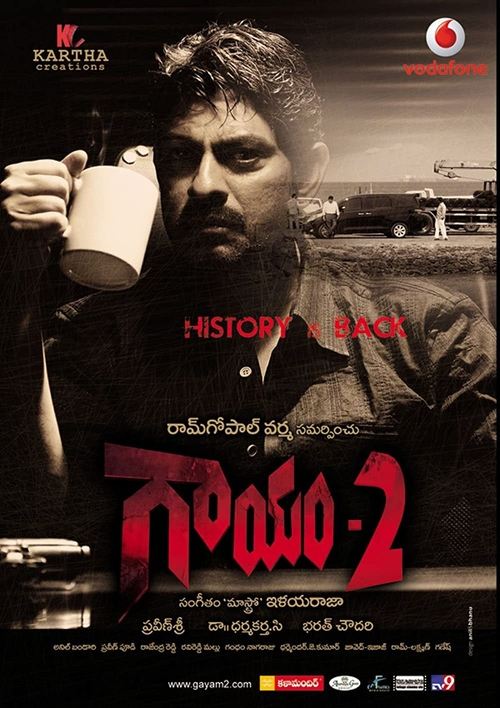
What is the ending?
In the ending of "Komaram Puli," the protagonist, Komaram Puli, confronts the antagonist, a corrupt politician named Karan, leading to a climactic battle. Puli ultimately defeats Karan, but not without significant sacrifice. The film concludes with Puli's realization of the cost of his fight against corruption and the impact it has on his loved ones.
As the final act unfolds, the tension escalates. The scene opens with Komaram Puli, portrayed by Pawan Kalyan, standing resolute in a desolate landscape, the weight of his mission heavy on his shoulders. He has been fighting against the corrupt political system that has plagued his community, and now he is on the verge of confronting Karan, the embodiment of that corruption. The air is thick with anticipation as Puli prepares for the inevitable showdown.
The camera shifts to Karan, who is surrounded by his henchmen, exuding arrogance and confidence. He underestimates Puli, believing that his power and influence will protect him. As Puli approaches, the atmosphere crackles with tension. The two men exchange heated words, revealing their conflicting ideologies--Puli's unwavering commitment to justice versus Karan's ruthless ambition.
The confrontation escalates into a fierce battle. Puli, fueled by his desire to protect his community and avenge the wrongs done to his loved ones, fights with a blend of agility and strength. The choreography of the fight scenes is intense, showcasing Puli's skills as he takes on multiple adversaries. Each punch and kick is a testament to his determination, but it also reflects the emotional turmoil he faces--he is not just fighting for himself but for the future of his people.
As the fight progresses, Puli faces numerous challenges, including betrayal from those he once trusted. The stakes are raised when Karan reveals his true nature, showcasing his willingness to harm innocent lives to maintain his power. This revelation deepens Puli's resolve, igniting a fire within him to end Karan's reign of terror once and for all.
In a pivotal moment, Puli manages to outsmart Karan, using both his physical prowess and strategic thinking. The climax reaches its peak as Puli delivers a final blow to Karan, symbolizing the triumph of good over evil. However, this victory comes at a cost. Puli is gravely injured in the process, and the toll of his fight becomes evident. The camera lingers on his face, capturing the mix of pain and relief as he realizes that he has succeeded in his mission but at the expense of his own well-being.
As the dust settles, the aftermath of the battle unfolds. Puli is surrounded by his friends and allies, who rush to his side, their expressions a blend of admiration and concern. They recognize the sacrifices he has made and the burden he carries. Puli's internal struggle is palpable; he has fought valiantly, but the emotional scars of his journey weigh heavily on him.
In the final scenes, Puli reflects on the impact of his actions. He understands that while he has defeated Karan, the fight against corruption is far from over. The film closes with Puli looking out over his community, a sense of hope mingled with the reality of ongoing challenges. His fate remains uncertain, but his spirit is unbroken, symbolizing the enduring struggle for justice and the resilience of the human spirit.
The ending of "Komaram Puli" encapsulates the themes of sacrifice, the fight against corruption, and the complexities of heroism. Each character's fate is intertwined with Puli's journey, highlighting the personal costs of their battles and the hope for a better future.
Is there a post-credit scene?
In the movie "Komaram Puli," there is no post-credit scene. The film concludes its narrative without any additional scenes or content after the credits roll. The story wraps up with the resolution of the main conflict, focusing on the protagonist's journey and the themes of justice and sacrifice. The absence of a post-credit scene allows the audience to reflect on the film's message and the fate of the characters without any further distractions.
What motivates the character Komaram Puli to fight against corruption?
Komaram Puli, played by Pawan Kalyan, is driven by a deep sense of justice and a personal vendetta against the corrupt system that has wronged his family and community. His emotional turmoil is evident as he witnesses the suffering of innocent people at the hands of corrupt officials, which fuels his determination to take a stand and fight back.
How does the relationship between Komaram Puli and his love interest, played by Nikesha Patel, develop throughout the film?
The relationship between Komaram Puli and his love interest, portrayed by Nikesha Patel, begins with a chance encounter that blossoms into a deep emotional connection. As Puli becomes more embroiled in his fight against corruption, their relationship is tested by the dangers he faces. Nikesha's character represents hope and love, providing Puli with the emotional support he needs, but also causing him internal conflict as he struggles to protect her from the repercussions of his actions.
What role does the antagonist, played by the character of the corrupt politician, play in Komaram Puli's journey?
The antagonist, a corrupt politician, serves as the primary obstacle in Komaram Puli's quest for justice. His ruthless tactics and manipulation of power create a hostile environment for Puli and his allies. The politician's actions not only threaten the lives of the innocent but also push Puli to his limits, forcing him to confront his own values and the lengths he is willing to go to achieve justice.
What are some key turning points in Komaram Puli's fight against the corrupt system?
Key turning points in Komaram Puli's fight include his initial confrontations with corrupt officials, where he begins to gather support from the community. A significant moment occurs when he uncovers a major scandal involving the politician, which galvanizes public sentiment against corruption. Another pivotal scene is when Puli faces personal loss due to the corrupt system, solidifying his resolve and leading to a more aggressive approach in his battle.
How does the film portray the theme of sacrifice through Komaram Puli's character?
The theme of sacrifice is poignantly portrayed through Komaram Puli's character as he repeatedly puts himself in harm's way for the greater good. His internal struggle is highlighted when he must choose between his personal happiness and the safety of his loved ones versus his commitment to fighting corruption. This sacrifice is not only physical but emotional, as he grapples with the consequences of his actions on those he cares about.
Is this family friendly?
"Komaram Puli," released in 2010, is an action drama film that contains several elements that may not be suitable for children or sensitive viewers. Here are some potentially objectionable or upsetting aspects:
-
Violence: The film features numerous action sequences that include hand-to-hand combat, gunfights, and scenes of physical confrontation. The violence is stylized but can be intense and may be distressing for younger audiences.
-
Death and Loss: There are themes of loss and the impact of violence on families, which may evoke strong emotional responses. Characters experience grief and trauma, which could be upsetting for sensitive viewers.
-
Corruption and Betrayal: The narrative explores themes of political corruption and betrayal, which may be complex and difficult for younger viewers to understand fully.
-
Emotional Turmoil: Characters undergo significant emotional struggles, including feelings of anger, revenge, and despair, which may be heavy for children to process.
-
Romantic Elements: There are romantic subplots that may include mature themes, which might not be appropriate for younger audiences.
Overall, while "Komaram Puli" is an action-packed film with a strong narrative, its themes and content may not be suitable for all viewers, particularly children or those sensitive to violence and emotional distress.








