











Popular
What is the significance of the café in the story?
How does the protagonist, a man named 'The Narrator', cope with his unrequited love?
What role does the character 'The Girl' play in The Narrator's life?
How does the relationship between The Narrator and 'The Stranger' evolve throughout the film?
What is the impact of the setting on the characters' interactions?
Should I watch it?
Ask Your Own Question

What is the plot?
Sorry, we aren't able to watch and write up a full detailed plot yet. Check back in a few days.







What is the ending?
In the ending of "Café Noir," the protagonist, a man named K, confronts the emotional turmoil stemming from his unrequited love for a woman named Kiki. After a series of disillusioning encounters and reflections on his life, K ultimately finds himself in a state of despair, leading to a tragic conclusion.
As the film progresses towards its conclusion, K's journey becomes increasingly introspective and fraught with emotional conflict. He grapples with his feelings for Kiki, who has moved on with her life, leaving K feeling abandoned and lost. The film culminates in a poignant scene where K's internal struggles manifest in a dramatic and tragic act, symbolizing the depths of his despair and the futility of his longing.
As the final act of "Café Noir" unfolds, the atmosphere is thick with tension and melancholy. K, having navigated through a labyrinth of memories and emotions, finds himself in a dimly lit café, a recurring setting that serves as a backdrop for his reflections. The café, with its muted colors and soft, flickering lights, mirrors K's internal state--conflicted and yearning.
Scene by scene, K's emotional landscape is laid bare. He sits alone at a table, staring into his coffee, the steam rising like the ghosts of his past. The weight of his unfulfilled love for Kiki hangs heavily in the air. He recalls moments shared with her, the laughter, the intimacy, and the eventual distance that grew between them. Each memory is a dagger, piercing through his heart, reminding him of what he has lost.
In a pivotal moment, K encounters Kiki in the café. She is with another man, laughing and seemingly happy. The sight of her joy is a crushing blow to K, who feels invisible and irrelevant in her world. He watches from a distance, his heart racing, a mix of longing and despair flooding his senses. The café, once a place of warmth and connection, now feels like a prison of his own making.
As the evening progresses, K's emotional turmoil reaches a boiling point. He steps outside, the cool night air hitting him like a wave of reality. He wanders the streets, lost in thought, grappling with the futility of his feelings. The city around him is alive, bustling with people, yet he feels utterly alone. The vibrant life of the city contrasts sharply with his internal desolation.
In a moment of desperation, K returns to the café, seeking solace in the familiar surroundings. However, the café no longer offers comfort; it is a reminder of his isolation. He confronts his feelings head-on, realizing that his love for Kiki has become an obsession, a chain that binds him to a past he cannot reclaim. The realization is painful, yet liberating in its own right.
The climax of the film arrives as K makes a fateful decision. In a moment of profound despair, he takes a drastic action that seals his fate. The scene is hauntingly quiet, the café's ambiance contrasting sharply with the chaos of his emotions. K's choice is a culmination of his internal struggle, a tragic end to a love that could never be reciprocated.
As the film concludes, the camera lingers on the empty café, the remnants of K's presence fading into the shadows. Kiki, unaware of the depths of K's despair, continues her life, a poignant reminder of the paths people take and the connections that can be lost. The final shot captures the essence of longing and loss, leaving the audience with a lingering sense of melancholy.
In the end, K's fate is sealed by his own choices, a tragic reflection of the human condition--love unreturned, dreams unfulfilled, and the haunting echoes of what might have been. Kiki, on the other hand, remains blissfully unaware of the impact she had on K, continuing her life as if untouched by the storm that raged within him. The film closes, leaving viewers to ponder the complexities of love, loss, and the often-painful journey of the heart.
Is there a post-credit scene?
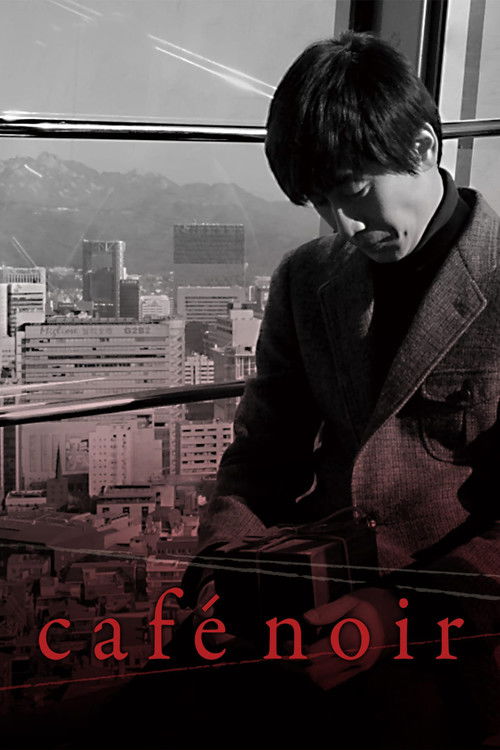
Café Noir, produced in 2010, does not feature a post-credit scene. The film concludes its narrative without any additional scenes or content after the credits roll. The story wraps up with a focus on the emotional and psychological journey of the characters, particularly exploring themes of love, loss, and existential reflection, leaving the audience to ponder the implications of the events that have unfolded.
What is the significance of the café in the story?
The café serves as a central hub for the characters, symbolizing a space of connection and disconnection. It is where many pivotal conversations and confrontations occur, reflecting the emotional states of the characters and their relationships.
How does the protagonist, a man named 'The Narrator', cope with his unrequited love?
The Narrator grapples with his feelings for a woman named 'The Girl', often retreating into his thoughts and memories. His internal monologues reveal his deep longing and the pain of his unreciprocated affection, leading him to question his own identity and purpose.
What role does the character 'The Girl' play in The Narrator's life?
The Girl represents both desire and unattainability for The Narrator. She is a muse and a source of inspiration, yet her elusiveness drives him into a spiral of obsession and despair, highlighting his emotional turmoil and the complexities of love.
How does the relationship between The Narrator and 'The Stranger' evolve throughout the film?
The relationship between The Narrator and The Stranger is marked by tension and rivalry. The Stranger embodies a more carefree and confident approach to life, which contrasts sharply with The Narrator's introspective nature. Their interactions often lead to confrontations that force The Narrator to confront his insecurities.
What is the impact of the setting on the characters' interactions?
The setting, primarily the café and its surrounding urban landscape, creates a backdrop that influences the characters' moods and interactions. The dim lighting and intimate atmosphere of the café foster moments of vulnerability, while the bustling city outside symbolizes the chaos and isolation the characters feel in their personal lives.
Is this family friendly?
"Café Noir," produced in 2010, is not considered family-friendly due to its mature themes and content. The film explores complex emotional and psychological issues, which may be unsettling for children or sensitive viewers.
Potentially objectionable or upsetting aspects include:
-
Adult Themes: The film delves into themes of love, loss, and existential despair, which may be difficult for younger audiences to understand or process.
-
Sexual Content: There are scenes that involve sexual situations and suggestive content, which may not be appropriate for children.
-
Violence and Conflict: The narrative includes moments of emotional and psychological conflict that can be intense and distressing.
-
Substance Use: Characters are depicted engaging in drinking and smoking, which may not be suitable for younger viewers.
-
Emotional Turmoil: The characters experience significant emotional pain and turmoil, which could be upsetting for sensitive individuals.
Overall, the film's exploration of darker human experiences makes it more suitable for mature audiences.









