


Popular
Should I watch it?
Ask Your Own Question

What is the plot?
Sorry, we aren't able to watch and write up a full detailed plot yet. Check back in a few days.







What is the ending?
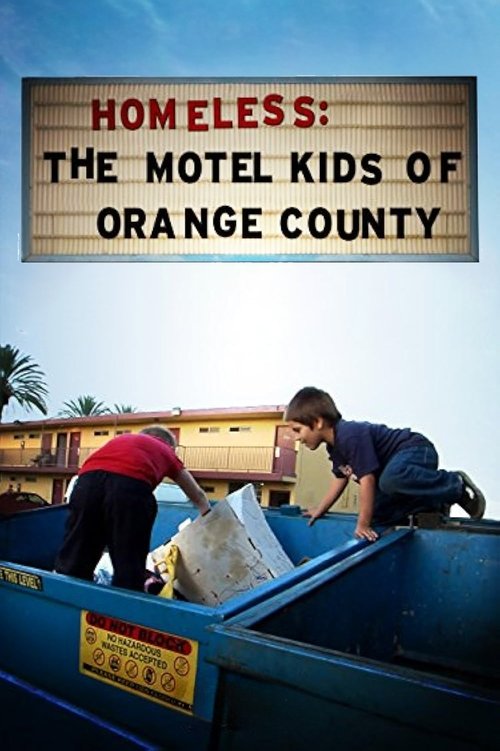
In the ending of "Homeless: The Motel Kids of Orange County," the film concludes with a poignant look at the lives of the children living in motels. The struggles of the families are highlighted, showcasing their resilience and the harsh realities they face. The film leaves viewers with a sense of the ongoing challenges these children endure, emphasizing their hopes and dreams despite their circumstances.
As the film approaches its conclusion, we see a series of scenes that encapsulate the lives of the motel kids. The camera captures the daily routines of the children, who navigate their lives in the cramped and often chaotic environment of the motels. The emotional weight of their situation is palpable, as they grapple with feelings of instability and uncertainty.
One of the central figures, a young girl named "Diana," is shown reflecting on her dreams of a better life. She expresses a desire to escape the cycle of poverty and find a stable home. Her determination is evident, but so is the weight of her reality. The film juxtaposes her aspirations with the stark conditions of her living situation, highlighting the contrast between hope and despair.
Another character, "Jesse," is depicted as he struggles with the pressures of his environment. He often feels the burden of responsibility for his younger siblings, which adds to his emotional turmoil. In the final scenes, Jesse is seen contemplating his future, torn between the desire to provide for his family and the limitations imposed by their circumstances.
As the film draws to a close, the children are shown engaging in small moments of joy amidst their struggles. They play together, share laughter, and find solace in each other's company. These moments serve as a reminder of their resilience and the bonds they have formed despite the challenges they face.
The final shots of the film linger on the motels, capturing the stark reality of their living conditions. The camera pans out, leaving viewers with a lasting image of the children and their environment, underscoring the ongoing nature of their struggles. The film ends without a clear resolution, emphasizing that while the children have dreams and aspirations, the path to achieving them remains fraught with obstacles.
In summary, the ending of "Homeless: The Motel Kids of Orange County" encapsulates the harsh realities faced by the children living in motels, their dreams for a better future, and the resilience they exhibit in the face of adversity. Each character's fate is left open-ended, reflecting the ongoing challenges of homelessness and the hope that persists within them.
Is there a post-credit scene?
The documentary "Homeless: The Motel Kids of Orange County" does not contain a post-credit scene. The film concludes without any additional footage or scenes after the credits roll. Instead, it wraps up the stories of the children and families living in motels in Orange County, focusing on their struggles, hopes, and the harsh realities of their lives. The film leaves viewers with a poignant reflection on homelessness and the impact it has on young lives, emphasizing the emotional weight of their experiences rather than providing a traditional cinematic closure.
What challenges do the children face while living in motels?
The children face numerous challenges while living in motels, including instability in their living conditions, lack of privacy, and the constant threat of eviction. They often struggle with feelings of abandonment and insecurity, as their families are frequently moving from one motel to another. The children also deal with the emotional toll of their situation, feeling the weight of their parents' struggles with addiction and unemployment.
How do the parents' issues affect the children's daily lives?
The parents' issues, particularly with addiction and financial instability, deeply affect the children's daily lives. The children often take on adult responsibilities, such as caring for younger siblings or managing household tasks. They experience emotional distress from witnessing their parents' struggles, which leads to feelings of anxiety and hopelessness. The lack of a stable home environment exacerbates their feelings of neglect and isolation.
What are the aspirations of the main child characters?
The main child characters express various aspirations despite their difficult circumstances. Some dream of having a stable home and a normal life, while others aspire to achieve personal goals, such as excelling in school or pursuing hobbies like art or sports. These aspirations serve as a coping mechanism, providing them with hope and motivation amidst their challenging realities.
How do the children cope with their living situation?
The children cope with their living situation in different ways. Some find solace in forming close friendships with other kids in similar situations, creating a sense of community. Others engage in imaginative play or focus on school as a distraction from their harsh realities. They often express their feelings through art or writing, using creativity as an outlet for their emotions.
What role does the motel environment play in the children's lives?
The motel environment plays a significant role in the children's lives, serving as both a physical space and a symbol of their instability. The cramped and often unsanitary conditions reflect their precarious living situation, while the transient nature of motels highlights their lack of permanence. The motels become a backdrop for their daily struggles, shaping their experiences and interactions with the world around them.
Is this family friendly?
"Homeless: The Motel Kids of Orange County" is a documentary that explores the lives of children and families living in motels in Orange County, California. While it provides a poignant look at their struggles, it may not be considered family-friendly for younger audiences or sensitive viewers due to several potentially objectionable or upsetting aspects:
-
Homelessness: The film depicts the harsh realities of homelessness, including the emotional and physical toll it takes on children and their families.
-
Family Struggles: Viewers witness the challenges families face, including financial instability, parental stress, and the impact of these issues on children's well-being.
-
Emotional Distress: The children express feelings of sadness, anxiety, and uncertainty about their futures, which may be difficult for sensitive viewers to process.
-
Living Conditions: The documentary shows the cramped and often unsanitary living conditions in motels, highlighting the lack of stability and security.
-
Substance Abuse: There are references to substance abuse among some parents, which can be a distressing topic for younger audiences.
-
Social Stigma: The film addresses the stigma associated with homelessness, which may be upsetting for viewers who empathize with the subjects.
Overall, while the documentary aims to raise awareness about important social issues, its themes and content may be challenging for children and sensitive individuals to engage with.