


Popular
What specific examples of media influence on public perception are highlighted in The Mean World Syndrome?
How do the personal stories of individuals in the documentary reflect the themes of the film?
What role do experts play in the narrative of The Mean World Syndrome?
How does the film address the concept of fear in relation to community safety?
What specific statistics or studies are referenced in the film to support its claims?
Should I watch it?
Ask Your Own Question

What is the plot?
Sorry, we aren't able to watch and write up a full detailed plot yet. Check back in a few days.
More Movies Like This
Browse All Movies →








What is the ending?
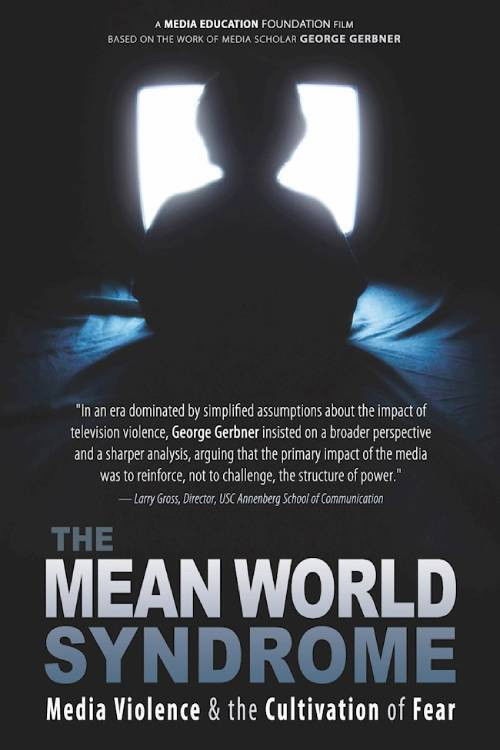
The ending of "The Mean World Syndrome" reveals the pervasive impact of media on society, showcasing how fear and negativity shape perceptions of reality. The film concludes with a call to awareness about the influence of media consumption on individual and collective mindsets.
As the film approaches its conclusion, the narrative shifts to a series of interviews and testimonials from various individuals who have been affected by the media's portrayal of violence and danger. The screen is filled with images of news broadcasts, crime dramas, and sensationalist headlines, all contributing to a growing sense of fear among the public.
In one poignant scene, a middle-aged woman recounts her experiences of feeling unsafe in her own neighborhood, despite statistical evidence showing a decline in crime rates. Her emotional state is palpable; she expresses a deep sense of anxiety and helplessness, illustrating how the media's narrative has warped her perception of reality.
Next, the film juxtaposes this with a young man who reflects on how he has internalized these messages, leading him to adopt a more aggressive and defensive demeanor in his daily life. He shares a moment of vulnerability, admitting that he often feels isolated and paranoid, unable to trust those around him. This scene highlights the internal conflict he faces, torn between the desire for connection and the fear instilled by the media.
As the documentary progresses, it emphasizes the importance of critical media consumption. Experts and scholars weigh in, discussing the psychological effects of constant exposure to negative news. They urge viewers to seek out positive stories and to engage with their communities, fostering a sense of safety and connection that counters the fear propagated by the media.
The film concludes with a montage of community events, showcasing people coming together, sharing stories, and building relationships. This visual shift serves as a stark contrast to the earlier scenes filled with fear and isolation. The final moments of the film leave viewers with a sense of hope, suggesting that while the media can distort perceptions, individuals have the power to reshape their realities through awareness and community engagement.
In the end, the characters portrayed throughout the film are left with a choice: to continue living in fear or to challenge the narratives they have internalized. The woman who felt unsafe begins to participate in local community meetings, while the young man starts volunteering, finding purpose and connection. Their fates are intertwined with the overarching message of the film, emphasizing the potential for change when individuals confront the influence of media on their lives.
Is there a post-credit scene?
The Mean World Syndrome, produced in 2010, does not contain a post-credit scene. The film concludes its exploration of the impact of media violence on society and the psychological effects it has on individuals without any additional scenes or content after the credits roll. The focus remains on the documentary's themes and the insights shared throughout the film, leaving viewers to reflect on the information presented rather than providing a further narrative twist or conclusion.
What specific examples of media influence on public perception are highlighted in The Mean World Syndrome?
The film illustrates how violent media content, such as news reports and crime dramas, shapes viewers' perceptions of reality, leading them to believe that the world is more dangerous than it actually is. It features interviews with experts who discuss the correlation between media consumption and fear, showcasing statistics and real-life examples of how people's fears are heightened by sensationalized news.
How do the personal stories of individuals in the documentary reflect the themes of the film?
The documentary includes personal anecdotes from various individuals who share how their views of safety and community have been altered by media consumption. For instance, one subject recounts how watching crime shows made her overly cautious about her surroundings, while another discusses how news coverage of violence led him to distrust his neighbors, illustrating the emotional and psychological impact of media.
What role do experts play in the narrative of The Mean World Syndrome?
Experts in psychology, sociology, and media studies provide critical insights throughout the film. They analyze the data on media consumption and its effects on societal behavior, offering a scholarly perspective that supports the film's central thesis. Their interviews are interspersed with visual examples from media, creating a compelling argument about the pervasive influence of media on public perception.
How does the film address the concept of fear in relation to community safety?
The film delves into how fear, often exacerbated by media portrayals of crime, leads to a breakdown of community trust and cohesion. It presents case studies of neighborhoods that have become isolated due to residents' fears, showcasing how media narratives can create a sense of paranoia and lead to social fragmentation.
What specific statistics or studies are referenced in the film to support its claims?
The documentary references various studies that quantify the impact of media on public perception, including statistics on crime rates versus media coverage. It highlights research showing that heavy consumers of violent media are more likely to perceive their environment as threatening, using graphs and charts to visually represent these findings and reinforce the film's arguments.
Is this family friendly?
The Mean World Syndrome, produced in 2010, is a documentary that explores the impact of media violence on society, particularly how it shapes perceptions of reality and influences behavior. While it is not a traditional narrative film, it does contain themes and discussions that may be challenging for children or sensitive viewers.
Potentially objectionable or upsetting aspects include:
-
Graphic Discussions of Violence: The film features interviews and commentary that discuss violent acts and their prevalence in media, which may be distressing for younger audiences.
-
Real-Life Examples of Crime and Fear: The documentary presents real-world statistics and examples of crime, which could evoke fear or anxiety about safety in viewers.
-
Emotional Testimonials: Some segments include personal stories from individuals affected by violence, which may be emotionally charged and difficult for sensitive viewers to process.
-
Critical Examination of Media: The film critiques the media's role in shaping perceptions of danger and violence, which may lead to uncomfortable realizations about societal issues.
Overall, while the film is informative and thought-provoking, its content may not be suitable for all children or sensitive individuals due to its serious themes and discussions surrounding violence.









