















































Popular
What motivates Carlos to become a revolutionary figure?
How does Carlos's relationship with his comrades evolve throughout the film?
What role does the character of Magdalena play in Carlos's life?
How does Carlos's ideology shift throughout the film?
What are the key events that lead to Carlos's downfall?
Should I watch it?
Ask Your Own Question

What is the plot?
Sorry, we aren't able to watch and write up a full detailed plot yet. Check back in a few days.






What is the ending?
In the ending of the movie "Carlos," the titular character, Carlos, finds himself increasingly isolated and out of touch with the revolutionary ideals he once fervently embraced. After a series of failed missions and the loss of his comrades, he is ultimately captured by authorities. The film concludes with Carlos reflecting on his life and choices, revealing a man who has become a shadow of his former self, grappling with the consequences of his actions.
As the final act unfolds, we see Carlos, now a fugitive, living in a state of paranoia and desperation. He is hiding out in a safe house, surrounded by a few loyal followers, but the atmosphere is tense. The once charismatic and confident revolutionary is now a man haunted by his past decisions. He receives news of the deaths of several of his comrades, which weighs heavily on him. The loss of his allies serves as a stark reminder of the violent world he has chosen.
In a pivotal scene, Carlos is approached by a group of men who are still committed to the cause. They discuss plans for future operations, but Carlos's enthusiasm has waned. He feels disconnected from the revolutionary fervor that once drove him. The conversations reveal a rift between Carlos and the younger generation of militants, who are eager to take risks that Carlos is no longer willing to embrace.
As the authorities close in, Carlos's paranoia escalates. He begins to suspect that even those closest to him may betray him. This sense of betrayal culminates when he is ultimately captured during a botched operation. The scene is tense, filled with the sounds of gunfire and chaos as Carlos realizes that his time as a revolutionary is coming to an end.
In the final moments of the film, Carlos is shown in captivity, reflecting on his life choices. He is stripped of his revolutionary identity, now just a prisoner. The film closes with a haunting image of Carlos, a man who once sought to change the world but is now left to confront the emptiness of his pursuits. The fate of his comrades is similarly grim; many have died or been captured, leaving a legacy of violence and disillusionment.
The ending of "Carlos" serves as a poignant reminder of the cost of radicalism and the fleeting nature of revolutionary ideals. Carlos, once a symbol of hope and change, is left to grapple with the reality of his actions and the lives lost in the pursuit of a cause that ultimately led to his downfall.
Is there a post-credit scene?
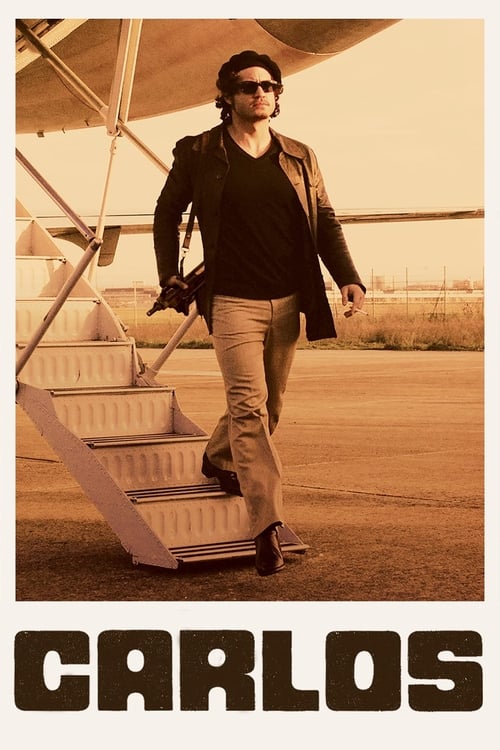
The movie "Carlos," produced in 2010, does not have a post-credit scene. The film concludes with a powerful and reflective ending that encapsulates the life and motivations of the main character, Ilich Ramírez Sánchez, known as Carlos the Jackal. The final moments focus on Carlos's capture and the implications of his actions throughout his life, leaving the audience with a sense of closure regarding his story without any additional scenes after the credits.
What motivates Carlos to become a revolutionary figure?
Carlos, originally known as Ilich Ramírez Sánchez, is driven by a deep-seated desire for recognition and power. His early experiences in Venezuela, coupled with his exposure to Marxist ideologies, fuel his ambition to become a significant player in global revolutionary movements. He seeks to embody the image of a revolutionary hero, which is evident in his charismatic demeanor and his willingness to engage in violent acts to achieve his goals.
How does Carlos's relationship with his comrades evolve throughout the film?
Carlos's relationships with his comrades are complex and often fraught with tension. Initially, he is seen as a leader, commanding respect and loyalty. However, as the film progresses, his increasingly erratic behavior and obsession with personal glory lead to fractures within his group. His inability to collaborate effectively and his self-serving decisions create rifts, ultimately isolating him from those who once supported him.
What role does the character of Magdalena play in Carlos's life?
Magdalena, Carlos's partner, represents both a source of emotional support and a point of conflict in his life. She is drawn to his revolutionary fervor but becomes increasingly disillusioned with his violent methods and the chaos that surrounds their lives. Her character highlights Carlos's struggle between personal relationships and his commitment to his revolutionary ideals, ultimately leading to a tragic disconnect.
How does Carlos's ideology shift throughout the film?
Carlos's ideology shifts from a fervent belief in Marxist-Leninist principles to a more self-centered approach as he becomes consumed by his desire for fame and notoriety. Initially, he is motivated by a genuine belief in the revolutionary cause, but as he gains notoriety, his actions become more about personal legacy than ideological commitment, leading to a moral decline that alienates him from his original beliefs.
What are the key events that lead to Carlos's downfall?
Carlos's downfall is marked by several key events, including his failed operations, the increasing scrutiny from international authorities, and his inability to adapt to changing political landscapes. His overconfidence leads to critical mistakes, such as the botched attack at the OPEC meeting, which draws unwanted attention. Additionally, his relationships deteriorate, and his isolation grows, culminating in his eventual capture and imprisonment.
Is this family friendly?
The movie "Carlos," produced in 2010, is not considered family-friendly due to its mature themes and graphic content. Here are some potentially objectionable or upsetting aspects that may occur for children or sensitive viewers:
-
Violence: The film depicts various acts of terrorism, including bombings and assassinations, which are shown in a graphic manner. The violence is often intense and can be disturbing.
-
Death and Injury: There are scenes that portray the aftermath of violent acts, including injuries and fatalities, which may be upsetting to viewers.
-
Sexual Content: The film includes scenes of sexual encounters that are explicit in nature, which may not be suitable for younger audiences.
-
Drug Use: There are instances of drug use depicted in the film, reflecting the lifestyle of the characters involved in terrorism.
-
Political Themes: The film explores complex political ideologies and the motivations behind terrorism, which may be difficult for younger viewers to understand and process.
-
Emotional Turmoil: Characters experience significant emotional distress, betrayal, and moral conflict, which may be heavy for sensitive viewers.
Overall, the film's content is geared towards an adult audience and contains themes that may be inappropriate for children.







