






Popular
What role does the setting play in the development of the story?
How does Jack's character evolve throughout the film?
What is the significance of the dream sequences in the film?
What is the significance of the relationship between the two brothers in the film?
How does the film portray the theme of death through the character of the mother?
Should I watch it?
Ask Your Own Question

What is the plot?
Sorry, we aren't able to watch and write up a full detailed plot yet. Check back in a few days.







What is the ending?
In the ending of "Two Gates of Sleep," the film culminates in a poignant and haunting resolution. The two brothers, Jack and the dying brother, are faced with the inevitability of loss. Jack ultimately makes a choice that leads to a tragic yet serene conclusion, reflecting the themes of mortality and the bond between siblings.
As the film progresses towards its conclusion, the narrative unfolds with a sense of quiet desperation. Jack, who has been caring for his ailing brother, grapples with the emotional weight of impending loss. The brothers share a deep connection, underscored by their shared experiences and the burden of their circumstances.
In the final scenes, Jack takes his brother to a secluded area in the woods, a place that holds significance for them. The atmosphere is heavy with unspoken words and the weight of their shared history. Jack's internal struggle is palpable; he is torn between the desire to alleviate his brother's suffering and the pain of letting go.
As they sit together, the reality of the situation becomes increasingly clear. Jack's brother, frail and nearing the end of his life, expresses a sense of acceptance. The bond between them is evident, filled with love and sorrow. Jack's emotional state shifts from despair to a quiet resolve as he contemplates the finality of their situation.
In a heart-wrenching moment, Jack makes the decision to help his brother find peace. The act is both a release and a sacrifice, showcasing the depth of their relationship. The film closes with a haunting image of Jack, left alone in the woods, grappling with the weight of his choice and the silence that follows.
The fate of the characters is sealed in this moment of profound loss. Jack is left to navigate the aftermath of his decision, burdened by grief yet also carrying the memory of their bond. The film ends on a note of ambiguity, leaving the audience to reflect on the themes of love, loss, and the complexities of familial relationships.
Is there a post-credit scene?
The movie "Two Gates of Sleep," produced in 2010, does not contain a post-credit scene. The film concludes its narrative without any additional scenes or content after the credits roll. The story focuses on the emotional journey of its characters, particularly the bond between the two brothers, and leaves the audience with a contemplative ending that resonates with the themes of loss and the passage of time.
What role does the setting play in the development of the story?
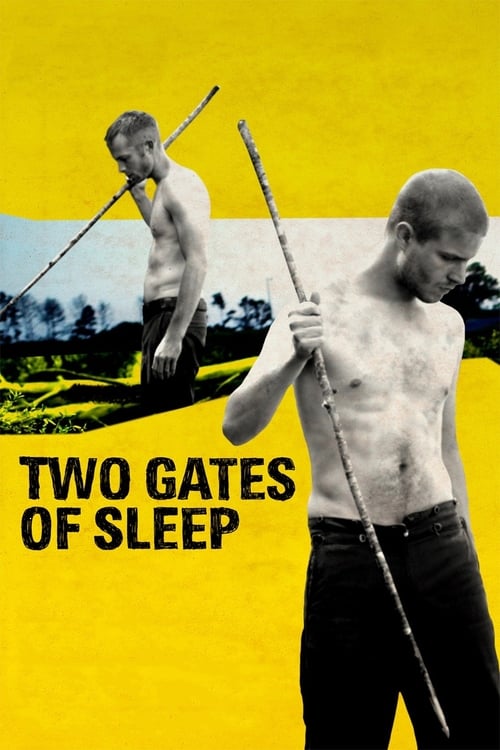
The setting of 'Two Gates of Sleep' is a rural landscape that serves as both a physical and emotional backdrop for the narrative. The isolation of the countryside mirrors the brothers' internal struggles and their sense of entrapment in their circumstances. The natural elements, such as the woods and the river, are depicted with a haunting beauty, emphasizing themes of life, death, and the passage of time. This setting becomes a character in itself, influencing the brothers' actions and decisions as they confront their reality.
How does Jack's character evolve throughout the film?
Jack's character undergoes a significant evolution throughout 'Two Gates of Sleep.' Initially portrayed as a stoic figure burdened by responsibility, he grapples with his emotions as he faces the impending loss of his mother. His journey is marked by moments of introspection and vulnerability, revealing his deep-seated fears and desires. As the film progresses, Jack's protective nature is tested, leading him to confront not only his grief but also his relationship with his brother, ultimately pushing him towards a more profound understanding of love and loss.
What is the significance of the dream sequences in the film?
The dream sequences in 'Two Gates of Sleep' serve as a surreal exploration of the characters' subconscious fears and desires. These ethereal moments blur the lines between reality and imagination, reflecting the brothers' internal struggles with grief and acceptance. The dreams often feature symbolic imagery that resonates with their emotional states, such as visions of their mother or the natural world around them. These sequences provide insight into their psyche, allowing the audience to experience the weight of their sorrow and the complexity of their bond.
What is the significance of the relationship between the two brothers in the film?
The relationship between the two brothers, Jack and the unnamed sibling, is central to the narrative of 'Two Gates of Sleep.' Their bond is characterized by a deep sense of loyalty and shared grief, particularly as they navigate the emotional landscape of their mother's terminal illness. Jack's protective instincts towards his brother reveal a complex dynamic where he feels both responsible for and burdened by his sibling's well-being. This relationship is further complicated by their differing ways of coping with loss, showcasing the emotional weight they both carry.
How does the film portray the theme of death through the character of the mother?
The mother in 'Two Gates of Sleep' serves as a poignant symbol of mortality and the inevitability of death. Her illness is depicted with raw realism, as the brothers care for her in their rural home. The film captures her frailty and the emotional toll it takes on the family, particularly through intimate scenes where her vulnerability is laid bare. The brothers' interactions with her reflect their struggle to accept her impending death, highlighting their grief and the profound impact it has on their lives.
Is this family friendly?
"Two Gates of Sleep" is a film that explores themes of loss, grief, and the passage of time, and it contains several elements that may not be suitable for children or sensitive viewers.
-
Death and Mourning: The film revolves around the death of a family member, which is a central theme. The portrayal of grief and the emotional weight of loss may be heavy for younger audiences.
-
Visions and Dreams: There are surreal and dreamlike sequences that may be unsettling or confusing, particularly for children. These scenes can evoke feelings of anxiety or fear.
-
Isolation and Despair: The characters experience profound isolation and despair, which can be emotionally intense. The atmosphere of the film is often somber and reflective, which may be difficult for sensitive viewers to process.
-
Nature and Wilderness: The film features scenes set in the wilderness that may evoke feelings of danger or vulnerability, as the characters navigate through a stark and sometimes harsh environment.
-
Minimal Dialogue: The film relies heavily on visual storytelling and has minimal dialogue, which may lead to a sense of unease or tension that could be challenging for younger viewers to understand.
Overall, the film's exploration of deep emotional themes and its somber tone may not be appropriate for children or those who are sensitive to such content.