
















Loading additional questions...
Popular
How does the film depict the theme of betrayal through its characters?
What motivates the main character, the Bastard, throughout the film?
How does the relationship between the Bastard and his father evolve during the film?
What role does the character of the detective play in the Bastard's journey?
What significant event triggers the Bastard's descent into violence?
Should I watch it?
Ask Your Own Question

What is the plot?







What is the ending?
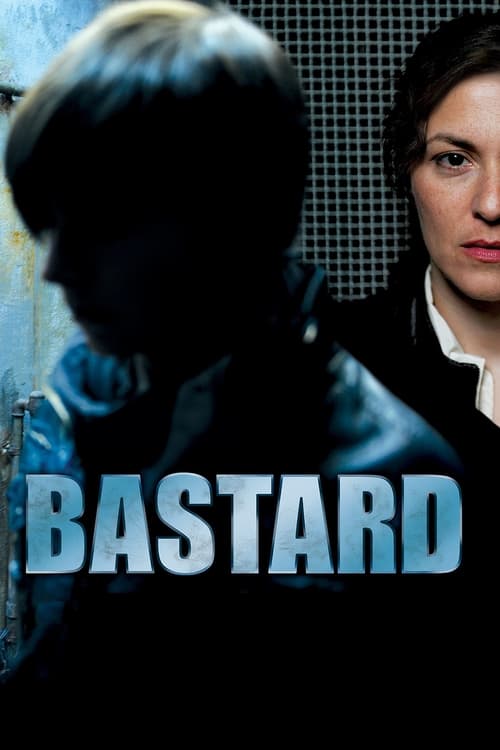
In the ending of the movie "Bastard," the protagonist, a troubled young man named K, confronts his dark past and the consequences of his actions. The film culminates in a violent showdown that leads to a tragic resolution for several characters, ultimately leaving K to grapple with his choices and the impact they have had on those around him.
As the climax unfolds, K finds himself in a tense confrontation with his father, who represents the embodiment of K's internal struggles and the cycle of violence that has plagued his life. The emotional weight of their relationship comes to a head, revealing deep-seated resentments and the longing for redemption. The film closes with K facing the aftermath of his decisions, leaving viewers with a haunting sense of the cost of his journey.
Expanding on the ending, the scene begins with K standing in a dimly lit room, the air thick with tension. He is visibly shaken, his hands trembling as he clutches a weapon, a symbol of his desperation and the violent path he has chosen. The camera captures the flickering shadows on the walls, mirroring the turmoil within him. K's internal conflict is palpable; he is torn between the desire for revenge and the yearning for a different life.
As he prepares to confront his father, memories flash before his eyes--fragments of a childhood marred by neglect and abuse. The audience sees K's face contort with pain as he recalls moments of betrayal and disappointment. This backstory is crucial, as it lays the foundation for K's motivations and the cycle of violence that has ensnared him.
The confrontation with his father is explosive. The two men stand face to face, their expressions a mix of anger and sorrow. K's father, a hardened figure, embodies the very traits K despises yet feels compelled to confront. The dialogue is sharp and cutting, filled with accusations and regrets. K's voice trembles as he demands answers, seeking closure for the wounds that have festered for so long.
In a moment of heightened emotion, the situation escalates into violence. The camera captures the chaos of the struggle, the visceral impact of their confrontation. K's internal struggle manifests physically as he grapples with his father, each blow exchanged a reflection of the years of pent-up rage and sorrow. The scene is raw and unflinching, showcasing the brutal reality of their relationship.
As the dust settles, the aftermath is devastating. K stands over his father, who lies on the ground, the weight of their conflict hanging heavy in the air. K's expression shifts from anger to despair as he realizes the irreversible nature of his actions. The camera lingers on his face, capturing the moment of realization that he has become what he feared most--a product of the cycle of violence.
In the final moments, K is left alone, the silence around him deafening. The emotional toll of the confrontation is evident as he grapples with the consequences of his choices. The film closes on a haunting note, with K walking away from the scene, a solitary figure against the backdrop of his shattered past. The audience is left to ponder the fate of K, a young man caught in a web of violence and regret, forever changed by the events that have unfolded.
The fates of the main characters are sealed in this tragic conclusion. K is left to navigate a future marked by the scars of his past, while his father lies defeated, a symbol of the destructive legacy that has haunted their family. The film leaves viewers with a poignant reminder of the complexities of human relationships and the often-painful journey toward self-discovery and redemption.
Is there a post-credit scene?
The movie "Bastard," produced in 2011, does not feature a post-credit scene. The film concludes its narrative without any additional scenes or content after the credits roll. The story wraps up with the final events, leaving the audience with the resolution of the characters' arcs and the themes explored throughout the film.
How does the film depict the theme of betrayal through its characters?
Betrayal is a central theme depicted through various characters' actions and relationships. The Bastard's experiences of betrayal from those he trusted deeply shape his worldview and motivations. Key moments, such as the betrayal by a close ally or the revelation of hidden truths, serve to illustrate the emotional scars left by these actions, ultimately influencing the characters' decisions and the film's trajectory.
What motivates the main character, the Bastard, throughout the film?
The Bastard, a complex character, is driven by a deep-seated need for revenge against those who have wronged him. His past traumas and the betrayal he experienced fuel his relentless pursuit of vengeance, leading him to make morally ambiguous choices that reflect his internal struggle between his desire for justice and the darkness within.
How does the relationship between the Bastard and his father evolve during the film?
The relationship between the Bastard and his father is fraught with tension and unresolved issues. Initially, the Bastard feels abandoned and betrayed by his father, which intensifies his feelings of anger and resentment. As the story progresses, moments of confrontation reveal layers of their relationship, showcasing the father's attempts to reconnect and the Bastard's struggle to forgive, ultimately leading to a climactic confrontation that forces both characters to confront their past.
What role does the character of the detective play in the Bastard's journey?
The detective serves as both an antagonist and a catalyst for the Bastard's actions. As the detective investigates the series of events surrounding the Bastard, he becomes increasingly obsessed with uncovering the truth. This pursuit not only heightens the tension but also forces the Bastard to confront his own choices and the consequences of his actions, creating a cat-and-mouse dynamic that drives the narrative forward.
What significant event triggers the Bastard's descent into violence?
The Bastard's descent into violence is triggered by a pivotal event in which he witnesses a brutal act of betrayal that directly affects someone he cares about. This moment shatters any remaining semblance of his moral compass, pushing him to embrace a path of vengeance that leads to a series of violent confrontations, marking a turning point in his character arc.
Is this family friendly?
"Bastard," produced in 2011, is not considered family-friendly. The film contains several potentially objectionable or upsetting elements that may be distressing for children or sensitive viewers.
-
Violence: The film features graphic scenes of violence, including physical confrontations and bloodshed, which may be disturbing.
-
Mature Themes: It explores dark themes such as betrayal, revenge, and moral ambiguity, which may be challenging for younger audiences to understand.
-
Strong Language: The dialogue includes frequent use of profanity, which may not be suitable for children.
-
Sexual Content: There are scenes that involve sexual situations or suggestive content that may be inappropriate for younger viewers.
-
Psychological Tension: The film has intense moments that create a sense of dread and anxiety, which could be unsettling for sensitive individuals.
Overall, the film's content is geared towards an adult audience and may not be appropriate for children or those who are sensitive to such themes.









