










Popular
What motivates the character Mark Ashton to reach out to the miners during the strike?
How does the relationship between the LGBTQ+ activists and the miners evolve throughout the film?
What role does the character Joe play in the story, and how does his journey reflect the film's themes?
How does the character Dai impact the narrative and the LGBTQ+ community's involvement with the miners?
What challenges do the LGBTQ+ activists face when trying to support the miners, and how do they overcome them?
Should I watch it?
Ask Your Own Question

What is the plot?
Sorry, we aren't able to watch and write up a full detailed plot yet. Check back in a few days.







What is the ending?
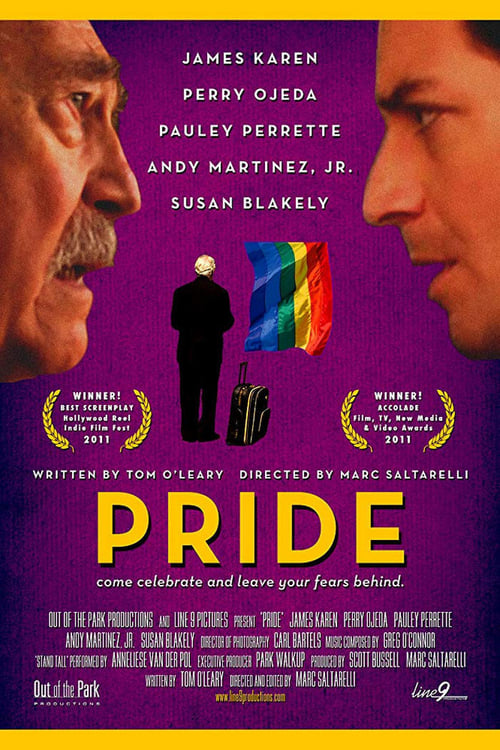
In the ending of the movie "Pride," the group of LGBTQ activists successfully support the miners during the strike, leading to a powerful and emotional conclusion. The film culminates in a celebratory event where the LGBTQ community and the miners come together, showcasing their solidarity. The characters reflect on their journey, and the bonds formed between them are highlighted. The film ends on a hopeful note, emphasizing the importance of unity and acceptance.
As the film approaches its conclusion, the tension of the miners' strike is palpable. The LGBTQ group, led by Mark Ashton, has been tirelessly working to support the miners, despite facing prejudice and skepticism from some within the mining community. The scene shifts to a large gathering where the miners and the LGBTQ activists come together for a celebratory event.
The atmosphere is charged with excitement and anticipation. The miners, initially hesitant, have come to appreciate the support from the LGBTQ community. As they enter the venue, the camaraderie is evident. The camera captures the smiles and laughter, a stark contrast to the earlier scenes of conflict and misunderstanding.
Mark, who has been a driving force in bridging the gap between the two groups, stands at the forefront, beaming with pride. His journey has been one of personal growth, as he has learned to navigate the complexities of identity and solidarity. The emotional weight of the moment is clear on his face, reflecting both the struggles faced and the triumphs achieved.
As the event unfolds, we see various characters interacting. Joe, who has been grappling with his own identity, finds a sense of belonging among the miners. His transformation is evident as he embraces his true self, surrounded by acceptance. The miners, too, express their gratitude, acknowledging the sacrifices made by the LGBTQ group.
The scene shifts to a poignant moment where the miners and the LGBTQ activists share stories, laughter, and tears. The barriers that once divided them begin to dissolve, replaced by a shared understanding and respect. The camera captures intimate exchanges, highlighting the emotional connections that have formed through their shared struggles.
As the celebration continues, the film intersperses scenes of the ongoing strike, illustrating the challenges that still lie ahead. However, the mood remains hopeful. The characters are united, and their collective strength is palpable. The final moments of the film focus on Mark and his friends, who stand together, looking out at the crowd. Their faces reflect a mix of joy and determination, symbolizing the impact of their alliance.
In the closing scenes, we see a montage of the characters moving forward in their lives. Mark, having made a significant impact, continues to advocate for LGBTQ rights. Joe finds love and acceptance, fully embracing his identity. The miners, though still facing hardships, are shown standing strong, bolstered by the support they received.
The film concludes with a powerful message of unity, resilience, and the importance of standing together in the face of adversity. The characters' fates are intertwined, each having grown from their experiences, and the bonds formed during the strike serve as a testament to the strength found in solidarity. The screen fades to black, leaving the audience with a sense of hope and the enduring power of community.
Is there a post-credit scene?
The movie "Pride," produced in 2011, does not have a post-credit scene. The film concludes with a powerful and uplifting ending that encapsulates the journey of the characters and their fight for acceptance and solidarity. After the main events of the story, which centers around the alliance between the LGBTQ+ community and striking miners in 1980s Wales, the film wraps up with a series of text updates on the characters' lives, showcasing the lasting impact of their friendship and activism. This serves as a poignant reminder of the real-life events that inspired the film, rather than a traditional post-credit scene.
What motivates the character Mark Ashton to reach out to the miners during the strike?
Mark Ashton, portrayed by Ben Schnetzer, is driven by a deep sense of solidarity and social justice. As a member of the LGBTQ+ community, he recognizes the struggles faced by the miners and sees an opportunity to forge an alliance based on shared oppression. His passion for activism and desire to support those who are marginalized fuel his determination to help the miners, despite the initial reluctance from both sides.
How does the relationship between the LGBTQ+ activists and the miners evolve throughout the film?
Initially, the relationship between the LGBTQ+ activists and the miners is fraught with tension and misunderstanding. The miners are wary of the activists, viewing them as outsiders. However, as they begin to work together, sharing resources and experiences, mutual respect and camaraderie develop. Key moments, such as the joint fundraising events and the eventual visit to the mining community, serve to bridge the gap, leading to a powerful bond that transcends their differences.
What role does the character Joe play in the story, and how does his journey reflect the film's themes?
Joe, played by George MacKay, is a young gay man who initially struggles with his identity and acceptance within both the LGBTQ+ community and his own family. His journey reflects the film's themes of acceptance and solidarity. As he becomes more involved with the miners, he finds a sense of belonging and purpose, ultimately gaining confidence in his identity. His relationship with the miners, particularly with the character Dai, highlights the personal growth and emotional connections that develop through their shared struggles.
How does the character Dai impact the narrative and the LGBTQ+ community's involvement with the miners?
Dai, portrayed by Paddy Considine, serves as a pivotal character who embodies the complexities of masculinity and vulnerability within the mining community. His initial skepticism towards the LGBTQ+ activists gradually transforms into acceptance and friendship, particularly with Joe. Dai's character helps to humanize the miners, showcasing their struggles and fears, while also illustrating how the alliance with the LGBTQ+ community enriches their fight for rights and recognition.
What challenges do the LGBTQ+ activists face when trying to support the miners, and how do they overcome them?
The LGBTQ+ activists face significant challenges, including prejudice and hostility from some members of the mining community, as well as logistical issues in organizing support. They encounter resistance from both the miners, who are initially suspicious of their motives, and from external societal pressures. However, through persistent outreach, empathy, and shared experiences, they gradually break down barriers. Key moments of solidarity, such as the joint events and personal connections formed, help to overcome these challenges, ultimately leading to a united front against oppression.
Is this family friendly?
"Pride," produced in 2011, is a film that, while heartwarming and uplifting, does contain some elements that may be considered objectionable or upsetting for children or sensitive viewers. Here are some aspects to consider:
-
Language: The film includes strong language and profanity, which may not be suitable for younger audiences.
-
Themes of Discrimination: The story addresses issues of homophobia and discrimination, which may be difficult for some viewers, particularly children, to fully understand or process.
-
Emotional Struggles: Characters experience significant emotional turmoil, including feelings of rejection and isolation, which could be upsetting for sensitive viewers.
-
Historical Context: The film is set against the backdrop of the 1980s miners' strike in the UK, and it touches on the harsh realities of labor struggles and societal tensions, which may be heavy for younger audiences.
-
Depictions of Violence: There are scenes that depict violence and hostility towards LGBTQ+ individuals, which could be distressing.
-
Personal Loss: Some characters face personal losses and hardships that may evoke strong emotions.
While "Pride" ultimately conveys messages of solidarity, acceptance, and community, these elements may require parental guidance for younger viewers.





