









































Popular
What motivates the three main characters, Brad Harris, Stu Preissler, and Kenny Bostick, to participate in the Big Year competition?
How does the relationship between Brad and his father evolve throughout the film?
What challenges do the characters face during their Big Year, and how do they overcome them?
What role does the setting play in the characters' journeys during the Big Year?
How does the competition between the three main characters affect their personal lives and relationships?
Should I watch it?
Ask Your Own Question

What is the plot?
Sorry, we aren't able to watch and write up a full detailed plot yet. Check back in a few days.


What is the ending?
In the ending of "The Big Year," the three main characters--Brad Harris, Stu Preissler, and Kenny Bostick--reach the conclusion of their year-long birdwatching competition. After a series of personal revelations and growth, they each come to terms with their motivations and the impact of their obsession with birding. Ultimately, they find a sense of camaraderie and respect for one another, realizing that the journey and the friendships formed are more important than the competition itself.
As the film draws to a close, Kenny, who has been the reigning champion, is shown to have a change of heart. He acknowledges the importance of the experiences he shared with Brad and Stu. In a moment of humility, he decides to forgo his competitive edge and embraces the joy of birdwatching for its own sake. Meanwhile, Brad, who initially struggled with his own insecurities and the pressure of the competition, finds fulfillment in the friendships he has built and the beauty of nature. Stu, who faced personal challenges, also discovers a renewed sense of purpose and connection with his family and friends. The film ends on a hopeful note, emphasizing the value of relationships over rivalry.
Now, let's delve into the ending in a more detailed, chronological narrative.
As the final days of the Big Year competition approach, the tension among the three birdwatchers--Kenny Bostick, Brad Harris, and Stu Preissler--intensifies. Each man is determined to spot the most bird species, but the competition has taken a toll on their personal lives.
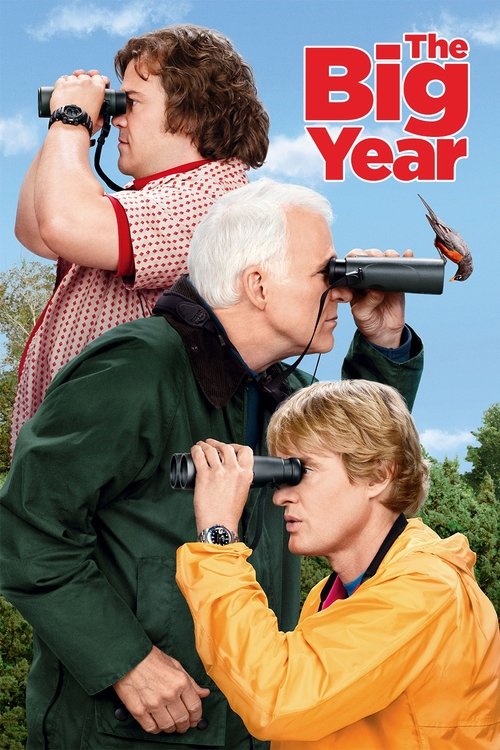
Kenny, played by Owen Wilson, is the reigning champion, and his obsession with winning has strained his marriage. He is seen in a montage of frantic birdwatching, racing from one location to another, often at the expense of his relationships. His internal conflict is palpable; he is torn between his desire to win and the realization that he is losing touch with what truly matters in life.
Brad, portrayed by Jack Black, is a novice birdwatcher who has taken a sabbatical from his job to pursue this passion. Throughout the film, he grapples with feelings of inadequacy and the pressure to prove himself. As the competition nears its end, he experiences a moment of clarity while birdwatching in a serene location. He reflects on the joy of the experience rather than the competition itself, realizing that the friendships he has formed with Kenny and Stu are far more valuable than any title.
Stu, played by Steve Martin, is a successful businessman who has also dedicated his year to birdwatching. He faces personal challenges, including a strained relationship with his wife. In the final scenes, he finds himself at a crossroads, contemplating the impact of his obsession on his family life. He begins to understand that the competition has overshadowed the simple pleasures of birdwatching and the importance of being present for his loved ones.
As the climax unfolds, the three men converge at a birdwatching hotspot. The atmosphere is charged with excitement and tension as they each try to spot the rarest birds. In a pivotal moment, Kenny spots a rare bird but hesitates. Instead of claiming victory, he turns to Brad and Stu, encouraging them to share in the moment. This act of camaraderie marks a significant shift in his character, showcasing his growth and newfound appreciation for friendship over rivalry.
In the final moments of the film, the three men stand together, united by their shared experiences. They celebrate their love for birdwatching, acknowledging that the journey has brought them closer together. The competition fades into the background as they embrace the beauty of nature and the bonds they have formed.
The film concludes with a montage of their adventures, highlighting the joy of birdwatching and the friendships that have blossomed throughout the year. Each character finds a sense of fulfillment, with Kenny reconciling with his wife, Brad embracing his newfound passion, and Stu reconnecting with his family. The ending leaves the audience with a sense of hope and the message that life is about the connections we make, rather than the accolades we achieve.
Is there a post-credit scene?
In "The Big Year," there is no post-credit scene. The film concludes with a heartfelt resolution as the three main characters--Brad Harris, Kenny Bostick, and Stu Preissler--reflect on their experiences and the friendships they have formed throughout their birdwatching journey. The focus remains on their personal growth and the bonds they have created, rather than any additional scenes or content after the credits. The film wraps up with a sense of closure, emphasizing the joy of birdwatching and the connections made along the way.
What motivates the three main characters, Brad Harris, Stu Preissler, and Kenny Bostick, to participate in the Big Year competition?
Brad Harris, played by Jack Black, is a young man seeking direction in his life after a recent breakup. He sees the Big Year as an opportunity to find purpose and connect with his passion for birdwatching. Stu Preissler, portrayed by Steve Martin, is a successful businessman who is looking to retire and find fulfillment outside of his corporate life. He hopes that the Big Year will allow him to reconnect with nature and enjoy life more fully. Kenny Bostick, played by Owen Wilson, is a competitive birdwatcher who is driven by the desire to maintain his title as the best birder. His motivation stems from a need to prove himself and to outdo his previous record, which adds a layer of tension to the competition.
How does the relationship between Brad and his father evolve throughout the film?
Initially, Brad's relationship with his father is strained, as his father does not understand his passion for birdwatching and is disappointed in his life choices. As Brad embarks on his Big Year journey, he begins to gain confidence and assert his independence. During the film, there are moments of tension where Brad's father expresses skepticism about his pursuits. However, as Brad achieves milestones in his birdwatching journey, his father starts to see the joy and fulfillment it brings him. This culminates in a heartfelt moment where Brad's father finally acknowledges and supports his son's passion, leading to a reconciliation and a deeper bond.
What challenges do the characters face during their Big Year, and how do they overcome them?
Throughout their Big Year, each character faces unique challenges. Brad struggles with self-doubt and the fear of failure, especially when he encounters more experienced birders. He overcomes this by forming friendships with other birdwatchers and learning to trust his instincts. Stu faces physical challenges, including health issues that arise during his travels, which test his resolve. He learns to adapt and rely on the support of others, including Brad and Kenny. Kenny, on the other hand, faces the pressure of competition and the fear of losing his title. His journey forces him to confront his obsession with winning and ultimately leads him to appreciate the camaraderie and beauty of birdwatching beyond just the competition.
What role does the setting play in the characters' journeys during the Big Year?
The setting plays a crucial role in shaping the characters' experiences and growth. The film takes the audience through various stunning locations across North America, from the beaches of Florida to the forests of California. Each location presents unique birdwatching opportunities and challenges, reflecting the characters' internal struggles. For instance, the vastness of the landscapes symbolizes the freedom and adventure that birdwatching offers, while the diverse environments highlight the beauty of nature that the characters are trying to connect with. The settings also serve as backdrops for pivotal moments, such as Brad's realization of his passion and Stu's moments of reflection, emphasizing how the journey is as important as the destination.
How does the competition between the three main characters affect their personal lives and relationships?
The competition creates tension and rivalry among Brad, Stu, and Kenny, impacting their personal lives significantly. Initially, Kenny's competitive nature leads him to prioritize winning over relationships, causing strain with his girlfriend. As the competition heats up, Brad and Stu's friendship is tested, especially when they find themselves in direct competition for rare birds. However, as they face challenges together, they begin to realize the importance of friendship and support over rivalry. This shift in perspective allows them to grow closer, ultimately leading to a deeper understanding of what truly matters in life. The competition serves as a catalyst for personal growth, pushing each character to confront their motivations and desires, ultimately enriching their relationships.
Is this family friendly?
The Big Year, produced in 2011, is generally considered family-friendly, but there are a few elements that might be objectionable or upsetting for children or sensitive viewers.
-
Mild Language: The film contains some instances of mild profanity, which may not be suitable for younger audiences.
-
Themes of Competition: The competitive nature of birdwatching can lead to moments of tension and frustration among the characters, which might be intense for some viewers.
-
Personal Struggles: The main characters each face personal challenges, including issues related to relationships, career pressures, and existential reflections, which may resonate deeply and evoke emotional responses.
-
Loss and Regret: There are moments that touch on themes of loss and regret, particularly in relation to the characters' past decisions, which could be upsetting for sensitive viewers.
-
Mildly Intense Situations: Some scenes involve the characters in precarious situations while birdwatching, which could create a sense of anxiety.
Overall, while The Big Year is light-hearted and comedic, these elements may require parental guidance for younger viewers.








