





Popular
Should I watch it?
Ask Your Own Question

What is the plot?
Sorry, we aren't able to watch and write up a full detailed plot yet. Check back in a few days.
More Movies Like This
Browse All Movies →

What is the ending?
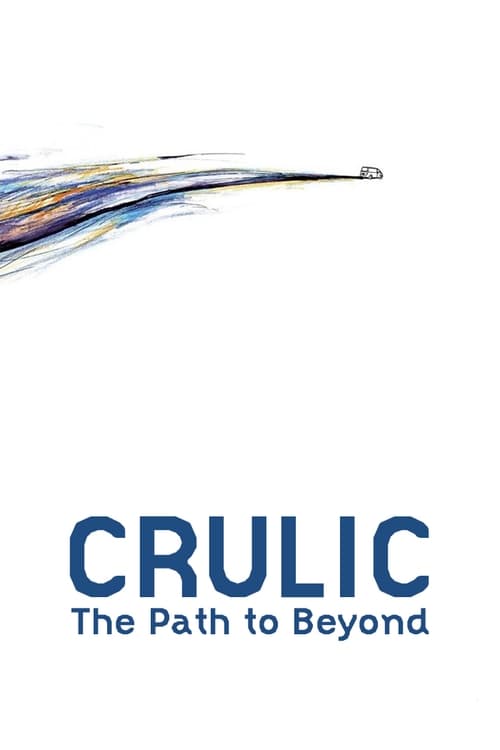
In the ending of "Crulic: The Path to Beyond," the protagonist, Claudiu Crulic, succumbs to his hunger strike while imprisoned. His spirit journeys beyond the physical realm, reflecting on his life and the injustices he faced. The film concludes with a poignant depiction of his death and the impact it has on those around him, particularly his family and the legal system that failed him.
As the film approaches its conclusion, we see Claudiu Crulic, frail and weakened from his prolonged hunger strike, lying on a hospital bed. The stark, sterile environment of the hospital contrasts sharply with the vibrant memories of his past that flash through his mind. He recalls moments of joy, love, and the warmth of his family, which serve as bittersweet reminders of what he has lost due to the wrongful accusations against him.
In a series of dreamlike sequences, Claudiu's spirit begins to detach from his physical body. He experiences a surreal journey through a landscape that symbolizes his memories and emotions. The imagery is rich and evocative, filled with symbolic representations of his struggles and the injustices he faced. As he traverses this ethereal realm, he encounters figures from his past, including family members and friends, who express their sorrow and frustration over his plight.
The film intercuts these spiritual sequences with scenes of the outside world, where his family grapples with the reality of his situation. They are shown in moments of despair, reflecting on the systemic failures that led to Claudiu's imprisonment. The emotional weight of their grief is palpable, underscoring the film's exploration of the impact of wrongful imprisonment not just on the individual, but on their loved ones as well.
As Claudiu's condition deteriorates, the hospital staff is depicted as indifferent, highlighting the bureaucratic apathy that surrounds his case. The stark contrast between Claudiu's internal struggle and the external world's lack of empathy serves to amplify the tragedy of his situation. His hunger strike, initially a form of protest against his wrongful imprisonment, ultimately leads to his demise, illustrating the desperation of his fight for justice.
In the final moments, Claudiu's spirit reaches a state of acceptance. He acknowledges the pain and suffering he has endured, but also the love that remains in his heart for his family. The film closes with a haunting image of his spirit transcending the physical realm, leaving behind a world that failed to protect him. The screen fades to black, leaving the audience to reflect on the profound themes of injustice, loss, and the enduring human spirit.
The fate of Claudiu Crulic is one of tragic loss, as he succumbs to the consequences of a flawed legal system. His family is left to mourn his death, grappling with the emotional fallout of their loved one's wrongful imprisonment. The film leaves viewers with a lingering sense of sorrow and a call to reflect on the broader implications of justice and humanity.
Is there a post-credit scene?
"Crulic: The Path to Beyond" does not have a post-credit scene. The film concludes its narrative without any additional scenes after the credits. The story wraps up with a poignant reflection on the life and struggles of Claudiu Crulic, emphasizing the themes of injustice and the human experience. The ending leaves viewers with a sense of contemplation about the events that transpired, focusing on the emotional weight of Crulic's journey rather than providing any further narrative developments.
What events lead to Crulic's imprisonment?
Crulic, a Romanian man, is wrongfully accused of theft while traveling in Italy. His journey begins with a series of unfortunate events, including a misunderstanding with the police, which escalates into his arrest. Despite his innocence, he is unable to prove it, leading to his imprisonment.
How does Crulic cope with his imprisonment?
During his time in prison, Crulic experiences deep despair and isolation. He struggles with the harsh realities of prison life, including the lack of communication with the outside world. His coping mechanism becomes a hunger strike, which he believes will draw attention to his plight and ultimately lead to his release.
What role does Crulic's family play in the story?
Crulic's family is depicted as a source of emotional support, yet they are also portrayed as helpless in the face of his wrongful imprisonment. His mother, in particular, is shown to be deeply affected by his situation, and her visits to him in prison highlight the emotional toll that his incarceration takes on both him and his loved ones.
What is the significance of Crulic's hunger strike?
Crulic's hunger strike serves as a powerful symbol of his desperation and determination to be heard. It reflects his internal struggle against the injustice he faces and his hope for freedom. As he continues to refuse food, his physical decline becomes a poignant representation of his fight against a system that has failed him.
How does the film portray the theme of injustice through Crulic's experiences?
The film illustrates the theme of injustice through Crulic's wrongful conviction and the bureaucratic indifference he encounters. His experiences in prison, the lack of legal support, and the dismissive attitudes of authorities highlight the systemic failures that contribute to his suffering, making his story a tragic commentary on the flaws within the justice system.
Is this family friendly?
"Crulic: The Path to Beyond" is an animated film that deals with heavy themes and emotional content, which may not be suitable for younger audiences or sensitive viewers. Here are some potentially objectionable or upsetting aspects:
-
Death and Mortality: The film explores themes of death, the afterlife, and the struggles of a man facing his mortality, which can be distressing for children.
-
Injustice and Imprisonment: The protagonist, Claudiu Crulic, is wrongfully imprisoned, and the depiction of his experiences in prison can be intense and unsettling.
-
Suffering and Despair: There are scenes that portray physical and emotional suffering, including the protagonist's deteriorating health and the impact of his situation on his mental state.
-
Isolation and Loneliness: The film conveys a strong sense of isolation, as Crulic is separated from his loved ones and faces his struggles alone, which may evoke feelings of sadness.
-
Visual Style: The animation style, while artistic, can be haunting and may not be comforting for younger viewers, as it reflects the somber themes of the story.
Overall, the film's exploration of profound and dark themes may not be appropriate for children or those who are sensitive to such content.









