



















Popular
What motivates the main character, Torgny Segerstedt, to continue publishing controversial articles despite the risks involved?
How does Torgny's relationship with his wife, Karin, evolve throughout the film?
What role does the character of the Nazi official play in Torgny's life and work?
How does Torgny's relationship with his daughter impact his decisions throughout the film?
What specific events lead to Torgny's eventual confrontation with the authorities?
Should I watch it?
Ask Your Own Question

What is the plot?
Sorry, we aren't able to watch and write up a full detailed plot yet. Check back in a few days.

What is the ending?
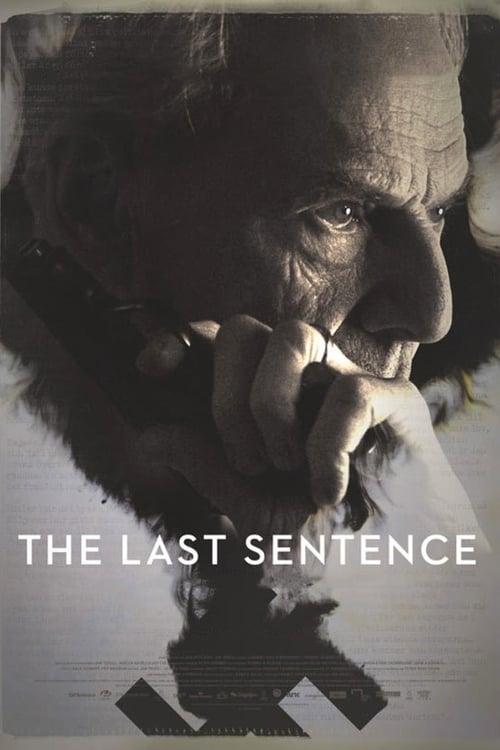
In the ending of "The Last Sentence," the protagonist, Torgny Segerstedt, faces the consequences of his unwavering commitment to truth and freedom of speech. He continues to publish his critical views against the Nazi regime, despite the personal and professional costs. The film concludes with Torgny's realization of the impact of his words, as he grapples with the isolation that comes from standing alone against tyranny. His legacy is cemented through his writings, which resonate beyond his lifetime.
As the final scenes unfold, Torgny Segerstedt, portrayed with a deep sense of conviction, is seen in his office, surrounded by the remnants of his once-thriving newspaper. The atmosphere is heavy with tension, reflecting the oppressive political climate of the time. Torgny, now an older man, is increasingly aware of the dangers that his outspoken journalism brings not only to himself but also to those he loves. His health is failing, and the toll of his relentless fight against the Nazi regime weighs heavily on him.
In a poignant moment, Torgny receives a visit from his estranged wife, who has been a source of both support and conflict throughout his life. Their conversation is fraught with unspoken emotions, as she expresses her concern for his safety and the impact of his work on their family. Torgny, however, remains steadfast in his belief that the truth must be told, even at great personal cost. This scene highlights the internal struggle he faces: the desire to protect his loved ones versus his moral obligation to speak out against injustice.
As the narrative progresses, Torgny's relationship with his daughter also comes to the forefront. She represents the younger generation, one that is caught in the crossfire of his ideals and the harsh realities of the world they live in. Their interactions are filled with tension, as she grapples with her father's choices and the legacy he is creating. Torgny's determination to continue his fight for freedom of expression ultimately leads to a rift between them, showcasing the personal sacrifices he makes for his principles.
In the climactic moments of the film, Torgny's newspaper faces increasing pressure from the authorities. The threat of censorship looms large, and he is aware that his time to make an impact is running out. He pens one final article, pouring his heart and soul into the words that will define his legacy. The scene is charged with emotion as he types furiously, the weight of his convictions evident in every keystroke. This act of defiance serves as a testament to his character, illustrating his unwavering commitment to truth, even in the face of overwhelming odds.
The film concludes with Torgny's passing, a quiet yet powerful moment that encapsulates his life's work. As he takes his last breath, the camera lingers on his typewriter, symbolizing the enduring power of the written word. The final shots reveal the impact of his writings, as they continue to inspire others to stand up against tyranny. Torgny's legacy lives on, not just in the pages of his newspaper, but in the hearts of those who dare to challenge oppression.
In summary, the ending of "The Last Sentence" encapsulates the struggle between personal sacrifice and the pursuit of truth. Torgny Segerstedt's fate is one of isolation and unwavering commitment, while his family grapples with the consequences of his choices. The film closes on a note of reflection, emphasizing the importance of standing up for one's beliefs, even when faced with insurmountable challenges.
Is there a post-credit scene?
The Last Sentence, a 2012 film directed by Jan Troell, does not feature a post-credit scene. The film concludes its narrative without any additional scenes or content after the credits roll. The story focuses on the life of the Swedish journalist Torgny Segerstedt, exploring his struggles against the rise of Nazism in Sweden during the 1930s and 1940s, and it wraps up its themes and character arcs within the main film itself.
What motivates the main character, Torgny Segerstedt, to continue publishing controversial articles despite the risks involved?
Torgny Segerstedt, portrayed as a passionate journalist, is driven by a deep sense of moral responsibility and a commitment to truth. His internal conflict is palpable as he grapples with the consequences of his actions, particularly the threat posed by the rising Nazi regime. Torgny's determination to expose the dangers of fascism and protect democratic values fuels his relentless pursuit of justice, even as it strains his personal relationships and puts him in peril.
How does Torgny's relationship with his wife, Karin, evolve throughout the film?
Torgny's relationship with Karin is marked by tension and emotional distance, primarily due to his obsessive dedication to his work. As Torgny becomes increasingly consumed by his journalistic pursuits, Karin feels neglected and struggles with her own sense of identity. Their interactions are filled with unspoken frustrations and longing, showcasing Karin's desire for connection and Torgny's internal battle between love and duty. This dynamic ultimately leads to moments of confrontation and vulnerability, revealing the complexities of their bond.
What role does the character of the Nazi official play in Torgny's life and work?
The Nazi official serves as a formidable antagonist in Torgny's life, representing the oppressive forces that threaten freedom of speech and democracy. Their encounters are charged with tension, as the official attempts to intimidate Torgny into silence. This character embodies the moral decay of the era, and Torgny's defiance against him highlights his courage and conviction. The official's presence serves as a constant reminder of the stakes involved in Torgny's fight for truth, pushing him further into his resolve.
How does Torgny's relationship with his daughter impact his decisions throughout the film?
Torgny's relationship with his daughter is a poignant aspect of the narrative, reflecting his struggle to balance personal and professional responsibilities. His daughter represents innocence and the future, and Torgny's protective instincts clash with his commitment to his work. As the political climate worsens, Torgny's decisions become increasingly fraught with the potential consequences for his family. His interactions with her reveal his vulnerabilities and fears, ultimately influencing his choices as he weighs the risks of his journalistic integrity against the safety of his loved ones.
What specific events lead to Torgny's eventual confrontation with the authorities?
Torgny's confrontation with the authorities is precipitated by a series of bold articles he publishes, which directly challenge the Nazi regime's actions and ideology. Key events include his decision to expose the regime's propaganda and the growing public support for fascism. As Torgny's articles gain traction, they attract the attention of the authorities, leading to increased surveillance and intimidation tactics against him. The tension escalates as Torgny refuses to back down, culminating in a dramatic confrontation that underscores the high stakes of his journalistic integrity and the personal cost of his convictions.
Is this family friendly?
"The Last Sentence," a film directed by Jan Troell, is a biographical drama that explores the life of Swedish journalist Torgny Segerstedt during the rise of Nazism in Germany. While the film is rich in historical context and character development, it does contain themes and scenes that may not be suitable for children or sensitive viewers.
-
Political Tension and Conflict: The film delves into the political climate of the time, showcasing the rise of fascism and the impact it has on society. This may be distressing for younger audiences who may not fully grasp the historical implications.
-
Depictions of War and Violence: There are references to the violence and brutality associated with the Nazi regime, which may be upsetting for some viewers. While not graphically depicted, the implications of war and oppression are present.
-
Emotional Struggles: The characters experience significant emotional turmoil, including themes of betrayal, loss, and moral dilemmas. These intense emotional scenes may be heavy for younger viewers.
-
Family Strain: The film portrays the strain on family relationships due to political beliefs and personal convictions, which may resonate with sensitive viewers who have experienced similar conflicts.
-
Mature Themes: The film addresses complex themes such as freedom of speech, censorship, and the moral responsibilities of journalists, which may be difficult for children to understand.
Overall, while "The Last Sentence" is a poignant exploration of a critical historical period, its mature themes and emotional depth may make it more suitable for older teens and adults rather than a family-friendly viewing experience.








