
















Popular
What role does the character of Dr. John Wilkes Booth play in the conspiracy?
How does the character of Edwin Stanton influence the investigation into Lincoln's assassination?
What is the significance of the character Mary Surratt in the conspiracy?
How does the character of Lewis Powell contribute to the assassination plot?
What is the relationship between John Wilkes Booth and his co-conspirators?
Should I watch it?
Ask Your Own Question

What is the plot?
Sorry, we aren't able to watch and write up a full detailed plot yet. Check back in a few days.
More Movies Like This
Browse All Movies →
What is the ending?
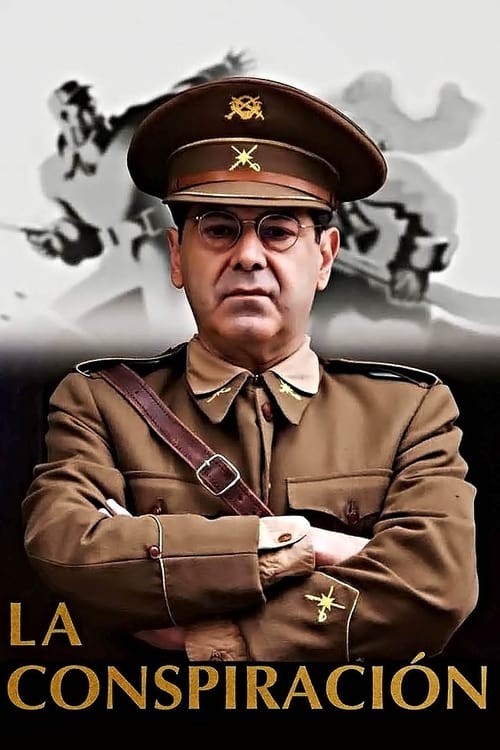
In the ending of "La conspiración," the film culminates with the trial of Dr. Samuel Mudd, who is accused of conspiring in the assassination of President Abraham Lincoln. As the trial unfolds, Mudd's defense attorney, Frederick Aiken, passionately argues for his innocence, revealing the truth about Mudd's actions and the circumstances surrounding the assassination. Despite Aiken's efforts, Mudd is ultimately found guilty and sentenced to life in prison. The film closes with Mudd's fate sealed, highlighting the themes of justice, loyalty, and the consequences of political machinations.
As the final act of "La conspiración" unfolds, the tension in the courtroom is palpable. The scene opens with the trial of Dr. Samuel Mudd in full swing. The courtroom is filled with spectators, their faces a mix of curiosity and judgment. Mudd, played with a quiet dignity, sits at the defendant's table, his expression a blend of anxiety and resolve. He knows the stakes are high; his life hangs in the balance.
Frederick Aiken, Mudd's defense attorney, stands before the jury, his voice steady yet filled with urgency. He passionately argues that Mudd is not a conspirator but a man who, in a moment of crisis, offered medical assistance to a wounded man--John Wilkes Booth. Aiken's internal struggle is evident; he is torn between his duty to defend Mudd and the overwhelming public sentiment against him. He recalls the moments leading up to the assassination, painting a vivid picture of Booth's desperate flight and Mudd's unwitting involvement.
As Aiken presents his case, flashbacks intersperse the courtroom drama, showing Mudd's life before the assassination. We see him as a devoted family man, a physician who cares deeply for his patients. These scenes serve to humanize Mudd, contrasting sharply with the accusations against him. The audience witnesses his genuine shock and horror upon realizing the identity of the man he helped.
The prosecution, however, is relentless. They present evidence that suggests Mudd's involvement was more than mere coincidence. The atmosphere grows tense as witnesses recount their versions of events, each testimony further entrenching Mudd in the web of conspiracy. Aiken's frustration mounts as he realizes the uphill battle he faces against a tide of public opinion and political pressure.
In a pivotal moment, Aiken calls upon a key witness who can testify to Mudd's character and intentions. The witness, a former patient, recounts Mudd's dedication to his profession and his community. This testimony momentarily sways the jury, igniting a flicker of hope in Aiken's heart. However, the prosecution quickly counters, reminding the jury of the gravity of the crime and the need for justice in the wake of Lincoln's assassination.
As the trial reaches its climax, the jury deliberates. The tension in the courtroom is thick, and Aiken paces nervously, his mind racing with thoughts of what a guilty verdict would mean for Mudd and his family. The jury returns, and the foreman announces the verdict: guilty. Aiken's face falls, a mixture of disbelief and despair washing over him. Mudd's expression remains stoic, but the weight of the verdict is evident in his eyes.
The scene shifts to Mudd's sentencing. The judge pronounces a life sentence, and Mudd is led away in chains, his fate sealed. Aiken watches helplessly, the realization of his failure sinking in. The film closes with a poignant shot of Mudd, now a prisoner, reflecting on the events that led him here. The final moments linger on his face, capturing a man caught in the crosshairs of history, a victim of circumstance rather than malice.
In the aftermath, Aiken grapples with the implications of the trial and the broader themes of justice and loyalty. The film leaves the audience with a haunting reminder of the complexities of truth and the often harsh realities of political intrigue. Each character's fate is intertwined with the larger narrative of a nation grappling with its identity in the wake of tragedy, underscoring the personal costs of political conflict.
Is there a post-credit scene?
In the movie "La conspiración," there is no post-credit scene. The film concludes its narrative without any additional scenes or content after the credits roll. The story wraps up with a focus on the historical events surrounding the assassination of President Abraham Lincoln and the subsequent trial of the conspirators, leaving the audience with a sense of closure regarding the characters and their fates. The film emphasizes the gravity of the events and the impact they had on American history, rather than providing any further narrative twists or revelations in a post-credit sequence.
What role does the character of Dr. John Wilkes Booth play in the conspiracy?
Dr. John Wilkes Booth is portrayed as a pivotal figure in the conspiracy to assassinate President Abraham Lincoln. His motivations are deeply rooted in his belief that Lincoln's policies are detrimental to the South. The film delves into Booth's internal conflict, showcasing his charisma and determination as he gathers a group of conspirators to execute his plan.
How does the character of Edwin Stanton influence the investigation into Lincoln's assassination?
Edwin Stanton, the Secretary of War, is depicted as a relentless and shrewd investigator. His character is driven by a sense of duty and a desire for justice. Throughout the film, Stanton's emotional state fluctuates between determination and frustration as he navigates the political landscape and seeks to uncover the truth behind the conspiracy.
What is the significance of the character Mary Surratt in the conspiracy?
Mary Surratt is portrayed as a complex character caught in the web of the conspiracy. As the owner of the boarding house where the conspirators met, her motivations are ambiguous. The film explores her emotional turmoil as she grapples with her loyalty to her son and her involvement in the plot, ultimately leading to her trial and execution.
How does the character of Lewis Powell contribute to the assassination plot?
Lewis Powell is depicted as a fervent supporter of Booth's plan, embodying the violent and radical elements of the conspiracy. His character is driven by a sense of vengeance against the Union and a desire to restore the South's honor. The film highlights his brutal nature during the attack on Secretary of State William Seward, showcasing his internal conflict and the chaos of the conspiracy.
What is the relationship between John Wilkes Booth and his co-conspirators?
The relationship between John Wilkes Booth and his co-conspirators is marked by a mix of camaraderie and tension. Booth is seen as a charismatic leader, inspiring loyalty among his followers, yet his domineering personality creates friction. The film illustrates the dynamics of their interactions, revealing how their differing motivations and fears ultimately lead to the unraveling of their plot.
Is this family friendly?
"La conspiración," produced in 2012, is a historical drama that delves into the events surrounding the assassination of President Abraham Lincoln and the subsequent trial of the conspirators. While the film is rich in historical context and character development, it does contain several elements that may be objectionable or upsetting for children or sensitive viewers.
-
Violence and Death: The film includes depictions of violence, particularly surrounding the assassination of Lincoln. There are scenes that portray the aftermath of the assassination, which may be distressing.
-
Historical Context of War: The backdrop of the Civil War is present, and there are references to the brutality and consequences of war, which may be unsettling for younger audiences.
-
Emotional Turmoil: Characters experience significant emotional distress, including grief, betrayal, and fear. These intense emotional scenes may be difficult for sensitive viewers to process.
-
Legal Proceedings: The film features courtroom scenes that involve serious charges and the fate of the accused, which may be complex and heavy for younger viewers to understand.
-
Themes of Conspiracy and Betrayal: The overarching themes of conspiracy and betrayal can be dark and may provoke anxiety or discomfort in viewers who are sensitive to such topics.
Overall, while "La conspiración" offers a compelling narrative, its themes and content may not be suitable for all children or sensitive individuals. Viewer discretion is advised.









