





































Popular
What is the significance of Pip's relationship with Estella in the film?
How does Miss Havisham's character influence Pip's life?
What role does Joe Gargery play in Pip's development throughout the film?
How does the character of Magwitch influence Pip's journey?
What is the impact of the setting on Pip's character development?
Should I watch it?
Ask Your Own Question

What is the plot?
Sorry, we aren't able to watch and write up a full detailed plot yet. Check back in a few days.
More Movies Like This
Browse All Movies →








What is the ending?
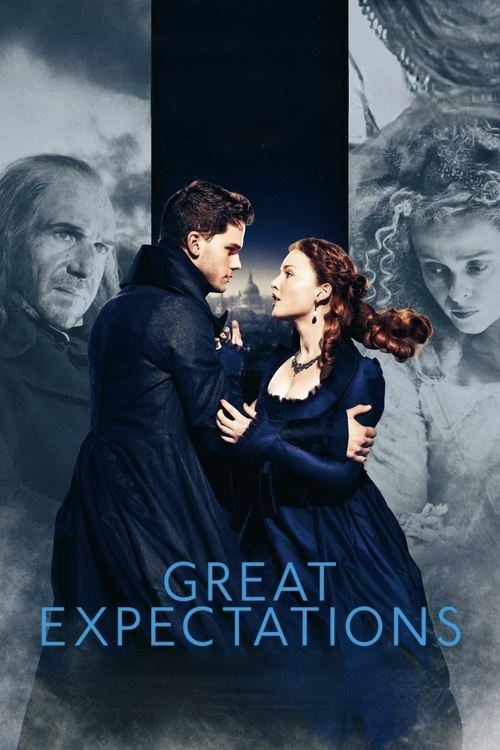
In the ending of the 2012 film "Great Expectations," Pip returns to England after many years abroad. He discovers that Estella has suffered from her own hardships and is now a changed woman. They meet again at the ruins of Satis House, where they share a moment of reconciliation. The film concludes with a sense of hope for their future together.
Now, let's delve into the ending in a more detailed narrative fashion:
As the film approaches its conclusion, Pip, portrayed by Jeremy Irvine, returns to England after a long absence. The atmosphere is heavy with nostalgia and unresolved emotions as he steps off the train, the familiar sights of his childhood flooding back. He is a man transformed by his experiences, yet the weight of his past still lingers.
Pip makes his way to Satis House, the once grand estate of Miss Havisham, now in ruins. The dilapidated state of the house mirrors the emotional decay that has occurred within its walls. As he enters, the air is thick with memories of his youth, of the dreams he once held dear, and of Estella, the woman who has haunted his heart.
In a poignant moment, Estella, played by Holliday Grainger, appears. She is no longer the cold, untouchable figure from Pip's past. Instead, she carries the scars of her own life experiences, having endured a tumultuous marriage that left her emotionally bruised. The two stand before each other, the tension palpable, as they confront the years of misunderstanding and pain that have separated them.
Their conversation is filled with a mix of vulnerability and longing. Estella reveals her struggles, her journey of self-discovery, and the realization that she has been shaped by the very forces that sought to control her. Pip, too, shares his growth, acknowledging the folly of his past aspirations and the true nature of love and connection.
As they walk through the ruins, the remnants of Miss Havisham's once opulent life serve as a backdrop to their reconciliation. The imagery of decay and rebirth is powerful, symbolizing the possibility of healing and new beginnings. Pip and Estella's dialogue is tender, filled with unspoken emotions, as they navigate the complexities of their relationship.
In the final moments, they stand together, looking out over the landscape. The sun begins to set, casting a warm glow that envelops them, suggesting a sense of hope and renewal. Pip reaches for Estella's hand, and in that simple gesture, there is a profound understanding that they have both changed. They are no longer bound by the expectations of their past but are free to forge a new path together.
The film concludes with a sense of ambiguity, leaving the audience to ponder the future of Pip and Estella. While their journey has been fraught with challenges, the ending suggests that love, in its truest form, can endure and evolve. Pip has learned that true wealth lies not in social status or material possessions but in the connections we forge with others.
In summary, Pip finds a sense of closure and hope with Estella, while she, too, has come to terms with her past. The fates of the main characters are intertwined, with Pip and Estella standing on the precipice of a new beginning, ready to embrace whatever comes next.
Is there a post-credit scene?
The 2012 film "Great Expectations," directed by Mike Newell, does not feature a post-credit scene. The film concludes with a poignant ending that encapsulates the themes of love, loss, and redemption, leaving the audience with a sense of closure regarding the characters' journeys. After the final scenes, the credits roll without any additional content or scenes following them.
What is the significance of Pip's relationship with Estella in the film?
Pip's relationship with Estella is central to the narrative, showcasing his deep infatuation and the emotional turmoil it brings him. Estella, raised by Miss Havisham to break men's hearts, becomes the object of Pip's aspirations and desires. Throughout the film, Pip's feelings for Estella evolve from admiration to heartbreak, as he grapples with her coldness and the realization that she may never reciprocate his love. This dynamic drives Pip's journey of self-discovery and his quest for social status.
How does Miss Havisham's character influence Pip's life?
Miss Havisham, portrayed as a reclusive and bitter woman, profoundly impacts Pip's life. Her obsession with her own heartbreak leads her to raise Estella to be unfeeling, which in turn shapes Pip's understanding of love and ambition. When Pip first visits her decaying mansion, he is both fascinated and repulsed by her world. Miss Havisham's manipulation of Pip's feelings for Estella fuels his desire to become a gentleman, ultimately leading him to pursue wealth and status, which he believes will win Estella's love.
What role does Joe Gargery play in Pip's development throughout the film?
Joe Gargery serves as a moral compass and a source of unconditional love for Pip. As Pip's brother-in-law and a blacksmith, Joe represents the working class and embodies kindness and loyalty. Despite Pip's growing shame about his humble beginnings, Joe remains steadfast and supportive. His unwavering affection highlights Pip's internal conflict as he navigates his aspirations and the societal pressures of becoming a gentleman. Joe's eventual heartbreak over Pip's rejection of their friendship underscores the theme of loyalty versus ambition.
How does the character of Magwitch influence Pip's journey?
Magwitch, the convict whom Pip helps as a child, becomes a pivotal figure in Pip's life. Initially, Pip is horrified by his association with Magwitch, but as the story unfolds, he learns that Magwitch is his secret benefactor. This revelation forces Pip to confront his prejudices and the true nature of wealth and gentility. Magwitch's sacrifices for Pip's advancement challenge Pip's understanding of identity and gratitude, ultimately leading him to reassess his values and relationships.
What is the impact of the setting on Pip's character development?
The settings in 'Great Expectations' play a crucial role in shaping Pip's character. From the bleak marshes where he first encounters Magwitch to the opulent yet decaying Satis House of Miss Havisham, each location reflects Pip's emotional state and growth. The stark contrast between his humble beginnings and the grandeur of London symbolizes his aspirations and the societal pressures he faces. As Pip navigates these environments, they serve as catalysts for his transformation, influencing his perceptions of class, love, and self-worth.
Is this family friendly?
The 2012 film "Great Expectations," directed by Mike Newell, contains several elements that may be considered objectionable or upsetting for children or sensitive viewers. Here are some aspects to be aware of:
-
Themes of Abandonment and Loneliness: The protagonist, Pip, experiences feelings of abandonment and isolation, particularly in his childhood, which may be emotionally heavy for younger viewers.
-
Violence and Threats: There are scenes involving a convict, Magwitch, who threatens Pip in a menacing manner. This encounter can be intense and frightening.
-
Class Struggle and Poverty: The film portrays the harsh realities of poverty and social class disparities, which may be difficult for some viewers to process.
-
Emotional Turmoil: Characters experience significant emotional distress, including heartbreak, betrayal, and unrequited love, which may be upsetting for sensitive audiences.
-
Dark Atmosphere: The film has a generally dark and moody aesthetic, with scenes set in grim locations that may evoke feelings of unease.
-
Romantic Tension: There are complex romantic relationships that involve longing and disappointment, which may be more suitable for older teens and adults.
These elements contribute to the film's overall tone and themes, making it more appropriate for a mature audience.







