








Popular
How does Ophelia's relationship with Hamlet evolve in the film?
What role does the ghost of King Hamlet play in the story?
What motivates Hamlet to feign madness throughout the film?
How does Claudius's guilt manifest throughout the film?
What is the significance of the play within the play, 'The Mousetrap'?
Should I watch it?
Ask Your Own Question

What is the plot?
Sorry, we aren't able to watch and write up a full detailed plot yet. Check back in a few days.







What is the ending?
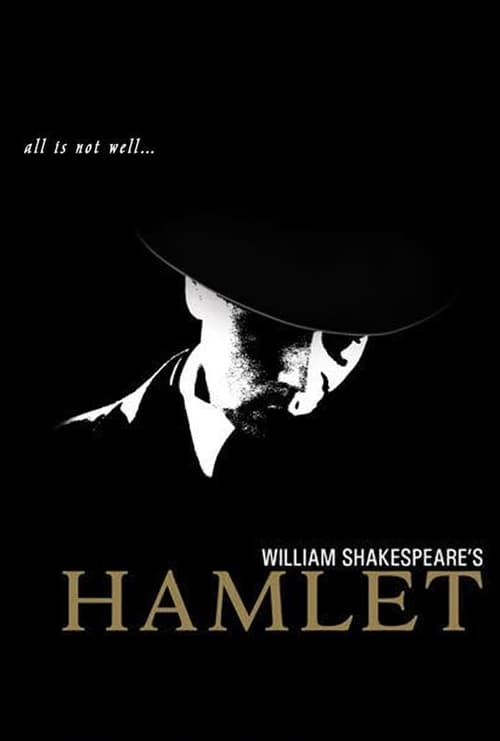
In the 2012 film "Hamlet," the ending culminates in a tragic series of events where nearly all the main characters meet their demise. Hamlet confronts King Claudius, leading to a duel with Laertes. The duel results in the deaths of Hamlet, Laertes, Gertrude, and Claudius, leaving Fortinbras as the new ruler of Denmark.
As the film reaches its climax, the atmosphere is thick with tension and impending doom. The scene opens in the grand hall of Elsinore, where the court is gathered for the duel between Hamlet and Laertes. The air is heavy with anticipation, and the audience can feel the weight of the past actions that have led to this moment. Hamlet, still grappling with his internal conflicts and the burden of avenging his father's murder, steps forward to face Laertes, who is fueled by rage and a desire for revenge for the death of his father, Polonius.
The duel begins, and the two men exchange blows, their movements a dance of aggression and desperation. As they fight, the camera captures the intensity in their eyes, revealing their inner turmoil. Laertes, having poisoned the tip of his sword, strikes Hamlet, wounding him gravely. In a moment of chaos, Gertrude, Hamlet's mother, unknowingly drinks from a cup poisoned by Claudius, believing it to be a toast to her son's victory. The horror of her sudden death sends shockwaves through the hall, and Hamlet's grief is palpable as he realizes the extent of Claudius's treachery.
In a fit of rage and sorrow, Hamlet turns his attention to Claudius. The confrontation is electric, filled with raw emotion as Hamlet accuses Claudius of his heinous crimes. In a final act of vengeance, Hamlet forces Claudius to drink from the poisoned cup, ensuring that he too meets his end. The camera lingers on Claudius's face as he succumbs to the poison, a look of shock and betrayal etched across his features.
As the scene unfolds, Laertes, who is also mortally wounded by his own poisoned blade, confesses to Hamlet that they have both been pawns in Claudius's game. In his final moments, Laertes seeks forgiveness, and Hamlet, despite his own pain, grants it, showcasing a moment of compassion amidst the chaos. Laertes dies, leaving Hamlet to grapple with the weight of his actions and the loss of those he loved.
Hamlet, now fatally wounded, collapses to the ground. His breathing becomes labored as he reflects on the tragic events that have unfolded. In his last moments, he expresses a desire for Fortinbras, the Prince of Norway, to take the throne of Denmark, recognizing the need for a new beginning after the bloodshed. As Hamlet breathes his last, the camera pans out, capturing the devastation left in the wake of the conflict.
The film concludes with Fortinbras entering the hall, surveying the scene of death and destruction. He approaches Hamlet's body, paying his respects to the fallen prince. The final shot lingers on Fortinbras, symbolizing the end of one era and the uncertain beginning of another, as the screen fades to black, leaving the audience to ponder the tragic consequences of ambition, revenge, and the quest for power.
Is there a post-credit scene?
The 2012 film "Hamlet," directed by the acclaimed actor and filmmaker, is a modern adaptation of Shakespeare's classic play. However, it does not feature a post-credit scene. The film concludes with the tragic culmination of the story, where the themes of betrayal, revenge, and the consequences of ambition are fully realized. The final moments are intense and somber, focusing on the aftermath of the climactic duel between Hamlet and Laertes, leading to the deaths of several key characters, including Hamlet himself. The absence of a post-credit scene maintains the weight of the narrative, leaving the audience to reflect on the tragic events that have unfolded.
How does Ophelia's relationship with Hamlet evolve in the film?
Ophelia's relationship with Hamlet begins with a sense of youthful love and innocence, but as Hamlet's behavior becomes increasingly erratic and his obsession with avenging his father's death deepens, Ophelia finds herself caught in a web of confusion and despair. Her emotional turmoil escalates as she grapples with her loyalty to her father, Polonius, and her love for Hamlet, ultimately leading to her tragic descent into madness.
What role does the ghost of King Hamlet play in the story?
The ghost of King Hamlet serves as a catalyst for the entire narrative, appearing to Hamlet and revealing the truth about his murder at the hands of Claudius. This revelation ignites Hamlet's quest for revenge and sets the tone for the ensuing tragedy. The ghost embodies themes of guilt, betrayal, and the supernatural, haunting Hamlet's thoughts and driving him to confront the moral implications of vengeance.
What motivates Hamlet to feign madness throughout the film?
Hamlet's decision to feign madness is driven by his desire to uncover the truth about his father's death and to confirm the ghost's revelation that Claudius murdered him. By pretending to be insane, he aims to throw off suspicion while he investigates the motives of those around him, particularly Claudius, and to create a sense of unpredictability that allows him to navigate the treacherous court without revealing his true intentions.
How does Claudius's guilt manifest throughout the film?
Claudius's guilt is palpable and manifests in various ways, including his troubled conscience and the paranoia that accompanies his usurpation of the throne. He struggles with the weight of his crime, which is evident in his soliloquies where he expresses remorse and attempts to pray for forgiveness, yet feels unworthy. His guilt drives him to take increasingly desperate measures to secure his power, including plotting against Hamlet.
What is the significance of the play within the play, 'The Mousetrap'?
The play within the play, 'The Mousetrap,' serves as a crucial turning point in the film, as Hamlet uses it to gauge Claudius's guilt regarding King Hamlet's murder. By staging a reenactment of the crime, Hamlet hopes to provoke a reaction from Claudius that will confirm the ghost's story. This moment not only reveals Claudius's guilt when he reacts with horror but also highlights Hamlet's cleverness and his struggle with the moral implications of revenge.
Is this family friendly?
The 2012 film "Hamlet," directed by and starring David Tennant, is an adaptation of Shakespeare's classic play and contains several elements that may be considered objectionable or upsetting for children or sensitive viewers. Here are some aspects to be aware of:
-
Death and Mourning: The film deals heavily with themes of death, including the death of Hamlet's father, which is central to the plot. The emotional weight of grief and loss is portrayed throughout.
-
Suicide: Hamlet's contemplation of suicide is a significant theme, and there are intense moments where he grapples with his despair and existential thoughts.
-
Violence: There are scenes of violence, including sword fights and the eventual deaths of several characters, which may be distressing.
-
Madness: Hamlet's descent into madness is depicted, showcasing emotional turmoil and erratic behavior that could be unsettling.
-
Betrayal and Deceit: The film explores themes of betrayal within the family, which can evoke feelings of discomfort and tension.
-
Mature Themes: The narrative includes complex themes such as revenge, moral corruption, and the consequences of ambition, which may be difficult for younger audiences to fully grasp.
Overall, while the film is a powerful adaptation of Shakespeare's work, its mature themes and emotional intensity may not be suitable for all viewers, particularly children or those sensitive to such content.