
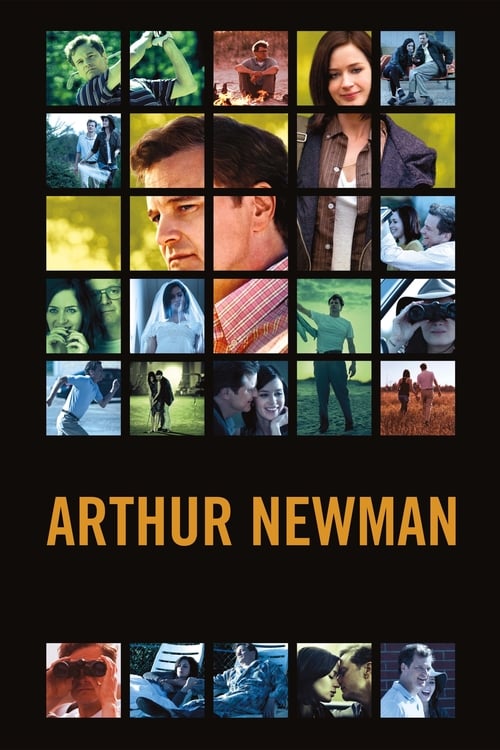





























Popular
What motivates Wallace Avery to assume the identity of Arthur Newman?
How does the character of Charlotte affect Wallace's journey?
What is the significance of the various identities that Wallace and Charlotte adopt during their journey?
How does Wallace's relationship with his estranged father impact the story?
What role does the setting play in the development of the characters' arcs?
Should I watch it?
Ask Your Own Question

What is the plot?
Sorry, we aren't able to watch and write up a full detailed plot yet. Check back in a few days.







What is the ending?
In the ending of "Arthur Newman," the main character, Wallace Avery, also known as Arthur Newman, confronts the reality of his choices and the impact of his journey. He ultimately decides to return to his old life, leaving behind the persona he created. The film concludes with a sense of unresolved tension as Wallace faces the consequences of his actions, particularly in relation to his relationship with his estranged son.
Expanding on the ending in a chronological and narrative fashion:
As the film approaches its conclusion, Wallace Avery, who has been living under the alias Arthur Newman, finds himself in a precarious situation. After a series of escapades with his companion, the troubled and free-spirited Charlotte, they arrive at a pivotal moment in their journey. The two have been on a road trip, seeking to escape their respective pasts and find solace in each other's company. However, the weight of their decisions begins to bear down on them.
In a quiet motel room, Wallace and Charlotte share a moment of vulnerability. They discuss their dreams and fears, revealing the emotional scars that have shaped their lives. Wallace, who has been running from his responsibilities, begins to realize that he cannot continue to hide from his true self. The façade of Arthur Newman, the man he created to escape his mundane existence, starts to crumble under the pressure of reality.
The next scene shifts to a confrontation with Charlotte. She is grappling with her own demons, and their relationship, which has been a source of both comfort and chaos, reaches a breaking point. Wallace, feeling the weight of his past and the need to confront his estranged son, makes a decision that will alter the course of his life. He tells Charlotte that he must return home, acknowledging that he cannot abandon his responsibilities any longer.
As Wallace drives back to his hometown, the landscape outside the car window shifts from the open road to the familiar streets of his past. The journey is filled with a sense of melancholy and reflection. He recalls moments from his life, the choices he made, and the family he left behind. The emotional turmoil is palpable as he grapples with the fear of facing his son, whom he has not seen in years.
Upon arriving at his son's house, Wallace hesitates at the door, his heart racing with anxiety. He finally knocks, and when his son answers, there is a moment of silence filled with unspoken words. The reunion is awkward and charged with unresolved feelings. Wallace's son is surprised and unsure of how to react to his father's sudden appearance. The tension is thick as they stand face to face, both unsure of what to say.
In the final moments of the film, Wallace attempts to explain himself, but the words seem inadequate. The emotional distance between them is evident, and it becomes clear that rebuilding their relationship will take time and effort. Wallace's journey has led him back to where he started, but he is a changed man, carrying the weight of his experiences and the hope for redemption.
Charlotte, on the other hand, is left to navigate her own path. After parting ways with Wallace, she is seen driving away, her expression a mix of sadness and determination. The film closes with a sense of ambiguity regarding her future, leaving the audience to ponder the choices she will make moving forward.
In summary, the ending of "Arthur Newman" encapsulates the themes of identity, responsibility, and the complexities of human relationships. Wallace's return to his old life signifies a confrontation with his past, while Charlotte's departure highlights the ongoing struggle for self-discovery. The fates of both characters are intertwined with their choices, leaving them at a crossroads as they seek to redefine their lives.
Is there a post-credit scene?
The movie "Arthur Newman," released in 2012, does not have a post-credit scene. The film concludes its narrative without any additional scenes or content after the credits roll. The story wraps up with the main characters, Arthur and Charlotte, having gone through a transformative journey, leaving the audience with a sense of resolution regarding their personal struggles and the choices they have made. The absence of a post-credit scene emphasizes the finality of their experiences and the emotional weight of their journey.
What motivates Wallace Avery to assume the identity of Arthur Newman?
Wallace Avery, played by Colin Firth, is driven by a deep sense of dissatisfaction with his life. He feels trapped in a mundane existence, marked by a failed marriage and a lack of fulfillment in his career. The desire to escape his reality and reinvent himself as Arthur Newman represents his longing for freedom and a fresh start.
How does the character of Charlotte affect Wallace's journey?
Charlotte, portrayed by Emily Blunt, plays a pivotal role in Wallace's transformation. Her spontaneous and reckless nature contrasts sharply with his reserved demeanor. As they embark on a road trip together, Charlotte's influence encourages Wallace to embrace his new identity and confront his fears, ultimately pushing him towards self-discovery.
What is the significance of the various identities that Wallace and Charlotte adopt during their journey?
The identities that Wallace and Charlotte adopt serve as a means of escape from their troubled pasts. Each persona they take on allows them to explore different facets of themselves and experience life without the burdens of their real identities. This exploration highlights their struggles with self-acceptance and the desire for connection.
How does Wallace's relationship with his estranged father impact the story?
Wallace's strained relationship with his father adds depth to his character and motivations. His father's disapproval and the emotional distance between them contribute to Wallace's feelings of inadequacy and his quest for validation. This unresolved conflict becomes a crucial element in his journey towards self-acceptance and reconciliation.
What role does the setting play in the development of the characters' arcs?
The various settings throughout the film, from the suburban landscapes to the vibrant motels, reflect the characters' emotional states and transformations. Each location serves as a backdrop for pivotal moments in their journey, symbolizing their search for identity and belonging. The changing environments mirror their internal struggles and growth as they navigate their complex relationship.
Is this family friendly?
"Arthur Newman," produced in 2012, is not considered family-friendly due to several potentially objectionable elements. Here are some aspects that might be upsetting for children or sensitive viewers:
-
Themes of Identity and Escape: The film explores deep themes of personal identity, existential crises, and the desire to escape one's life, which may be difficult for younger audiences to understand.
-
Substance Use: There are scenes that depict alcohol consumption and references to substance use, which may not be suitable for children.
-
Emotional Turmoil: The characters experience significant emotional distress, including feelings of loneliness, depression, and anxiety, which could be unsettling for sensitive viewers.
-
Adult Relationships: The film includes complex adult relationships and romantic entanglements that may not be appropriate for younger audiences.
-
Violence and Conflict: There are moments of conflict that may involve emotional or verbal confrontations, which could be distressing.
-
Mature Language: The dialogue includes strong language and adult themes that may not be suitable for children.
Overall, the film's exploration of heavy emotional themes and adult situations makes it more appropriate for mature audiences.








