














Popular
What is the significance of the Midnight Channel in the story?
How does Yu Narukami's character evolve throughout the film?
What role does Nanako Dojima play in the story?
What is the relationship between Yosuke Hanamura and his shadow?
How does the character of Teddie contribute to the group's dynamic?
Should I watch it?
Ask Your Own Question

What is the plot?
Sorry, we aren't able to watch and write up a full detailed plot yet. Check back in a few days.
More Movies Like This
Browse All Movies →






What is the ending?
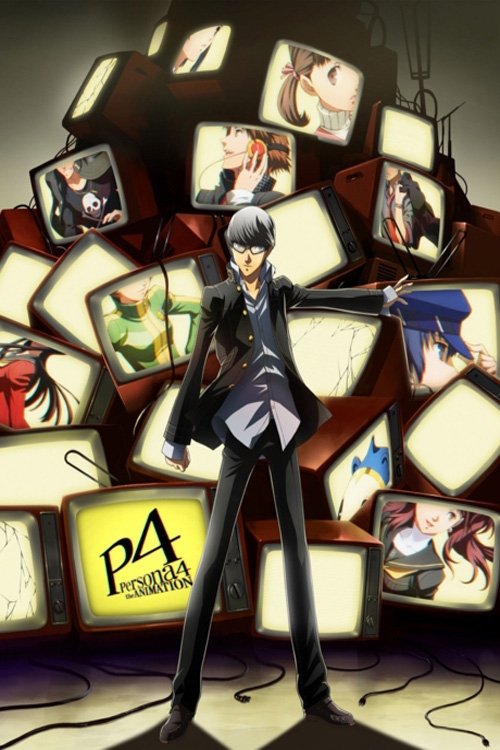
In the ending of PERSONA 4 the Animation: No One Is Alone, the main characters confront their inner struggles and the truth behind the murders in Inaba. Yu Narukami, along with his friends, faces the final confrontation with the true antagonist, ultimately leading to a resolution of their personal conflicts. The group learns to accept themselves and each other, solidifying their bonds. The story concludes with a sense of hope and the promise of new beginnings as they move forward together.
As the climax of the film unfolds, the scene opens with Yu Narukami and his friends standing at the edge of the fog-covered world, a representation of their inner turmoil and the mysteries that have plagued them. The atmosphere is thick with tension, as they prepare to face the final shadow that embodies their fears and insecurities. Each character is visibly shaken, their expressions reflecting the weight of their past experiences and the stakes of their confrontation.
Yu, determined and resolute, takes the lead, rallying his friends with a sense of purpose. He understands that this battle is not just about defeating the enemy but also about confronting their own shadows. As they step into the fog, the world around them shifts, revealing the true form of the antagonist, who embodies the darkness that has haunted them throughout their journey. The confrontation is intense, filled with emotional stakes as each character faces their own fears and doubts.
As the battle rages on, the friends support one another, showcasing their growth and the strength of their bonds. Each character's Persona manifests, symbolizing their acceptance of their true selves. The fight is not just physical; it is a culmination of their emotional struggles, and they draw strength from their friendship. The visuals are striking, with vibrant colors contrasting against the dark backdrop of their fears, emphasizing the theme of light overcoming darkness.
In a pivotal moment, Yu confronts the true nature of the antagonist, realizing that it is a reflection of their own unresolved issues. This revelation leads to a powerful moment of unity among the group, as they combine their strengths to overcome the darkness. The scene is charged with emotion, as they shout their resolve, affirming their commitment to one another and their determination to move forward.
As the final blow is struck, the fog begins to dissipate, symbolizing the resolution of their internal conflicts. The characters emerge from the battle, visibly changed. They stand together, breathing heavily but with expressions of relief and newfound clarity. The weight of their burdens has lifted, and they share a moment of camaraderie, acknowledging the journey they have taken together.
In the aftermath, the group returns to the real world, where the sun shines brightly, a stark contrast to the darkness they faced. Each character reflects on their experiences, understanding that they have grown stronger through their trials. Yu, in particular, feels a sense of fulfillment, knowing that he has helped his friends confront their fears and embrace their true selves.
The film concludes with a scene of the group enjoying a peaceful day together, symbolizing their renewed bonds and the hope for the future. They laugh and share stories, embodying the theme of friendship and the importance of supporting one another. As they walk together, the camera pans out, capturing the essence of their journey and the promise of new beginnings.
In summary, the fates of the main characters are intertwined with their growth and acceptance. Yu Narukami emerges as a leader, having helped his friends confront their shadows. Yosuke Hanamura, Chie Satonaka, Yukiko Amagi, and Kanji Tatsumi each find resolution in their personal struggles, solidifying their friendships. The ending encapsulates the message that while darkness may exist, the bonds of friendship and self-acceptance can lead to a brighter future.
Is there a post-credit scene?
Yes, "PERSONA 4 the Animation: No One Is Alone" features a post-credit scene.
As the credits roll, the scene transitions to a serene setting in Inaba, where the sun is setting, casting a warm golden hue over the landscape. The camera pans to a familiar location--the high school where the characters spent much of their time.
In this quiet moment, we see Yu Narukami, the protagonist, standing alone on the school rooftop. He gazes out over the town, reflecting on the events that transpired during their battle against the Shadows and the bonds formed with his friends. His expression is a mix of nostalgia and determination, showcasing his growth throughout the story.
As he contemplates the future, the scene shifts to brief glimpses of his friends--Yosuke, Chie, Yukiko, Kanji, Rise, and Naoto--each engaged in their daily lives, smiling and laughing, hinting at the normalcy they have returned to after their harrowing experiences.
The final shot returns to Yu, who smiles softly, a sense of peace washing over him. The screen fades to black, leaving viewers with a feeling of hope and the enduring strength of friendship, encapsulating the film's themes of connection and resilience.
What is the significance of the Midnight Channel in the story?
The Midnight Channel serves as a central plot device in 'Persona 4 the Animation: No One Is Alone.' It is a mysterious television channel that appears at midnight, revealing the inner thoughts and hidden desires of individuals. Characters who are thrown into the world of the Midnight Channel must confront their own shadows, which represent their repressed emotions and fears. This confrontation is crucial for character development and the overall narrative, as it leads to self-discovery and growth.
How does Yu Narukami's character evolve throughout the film?
Yu Narukami, the protagonist, begins as a somewhat reserved and observant character who is new to Inaba. As the story progresses, he takes on the role of a leader among his friends, guiding them through the challenges posed by the Midnight Channel and the shadows. His internal struggle revolves around the burden of responsibility and the desire to protect his friends. By the end, Yu's character evolves into a more confident and decisive individual, embodying the themes of friendship and self-acceptance.
What role does Nanako Dojima play in the story?
Nanako Dojima, Yu's cousin, plays a pivotal role in 'Persona 4 the Animation: No One Is Alone.' She represents innocence and the impact of the events surrounding the Midnight Channel on the younger generation. Her character is deeply affected by the turmoil in Inaba, and her relationship with Yu highlights themes of family and protection. As the story unfolds, her safety becomes a motivating factor for Yu and his friends, driving them to confront the dangers posed by the shadows.
What is the relationship between Yosuke Hanamura and his shadow?
Yosuke Hanamura's relationship with his shadow is a significant plot point in the film. His shadow embodies his insecurities and feelings of inadequacy, particularly regarding his desire to be recognized and valued. When Yosuke confronts his shadow, he initially struggles with acceptance, as it reveals his fears of being overshadowed by others. This confrontation is crucial for Yosuke's character development, leading him to embrace his true self and strengthen his bonds with his friends.
How does the character of Teddie contribute to the group's dynamic?
Teddie, a bear-like creature who becomes part of the group, adds a unique dynamic to the ensemble. Initially, he serves as comic relief, but as the story progresses, his character reveals deeper layers. Teddie's desire to understand his own identity and purpose mirrors the struggles of the other characters. His journey of self-discovery and his unwavering support for his friends highlight themes of friendship and acceptance, making him an integral part of the group's efforts to confront the shadows.
Is this family friendly?
"PERSONA 4 the Animation: No One Is Alone" contains several themes and scenes that may be considered objectionable or upsetting for children or sensitive viewers. Here are some aspects to be aware of:
-
Violence and Threats: The film includes scenes of violence, including confrontations with shadow creatures and the emotional turmoil that characters experience during battles. These moments can be intense and may be frightening for younger viewers.
-
Death and Loss: The narrative explores themes of death, loss, and the impact of these experiences on the characters. There are emotional scenes that deal with grief and the consequences of losing loved ones.
-
Mental Health Struggles: Characters face significant internal conflicts and mental health issues, including depression and anxiety. These themes are explored in depth, which may be distressing for some viewers.
-
Mature Themes: The film touches on complex themes such as identity, self-acceptance, and the darker aspects of human nature. These themes may be difficult for younger audiences to fully grasp.
-
Emotional Turmoil: Characters experience intense emotional struggles, including feelings of isolation, betrayal, and despair. The portrayal of these emotions can be heavy and may resonate deeply with sensitive viewers.
Overall, while the film has a compelling narrative and character development, its exploration of darker themes and emotional challenges may not be suitable for all audiences, particularly children.









