
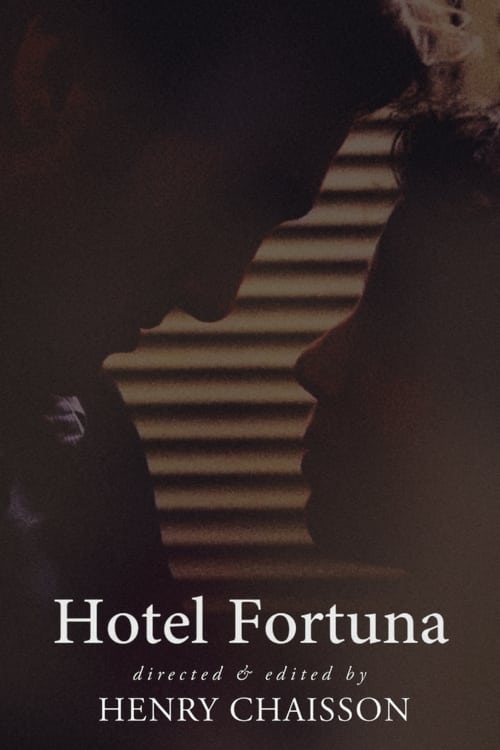



Popular
What role does the character of the hotel manager play in the story?
How do the relationships between the guests evolve throughout the film?
What is the significance of the character Anna in Hotel Fortuna?
How does the setting of Hotel Fortuna influence the characters' experiences?
What is the impact of the recurring motif of water in the film?
Should I watch it?
Ask Your Own Question

What is the plot?
Sorry, we aren't able to watch and write up a full detailed plot yet. Check back in a few days.









What is the ending?
In the ending of "Hotel Fortuna," the protagonist, a young woman named Anna, faces a series of emotional confrontations that lead her to a moment of self-realization. After a tumultuous journey filled with complex relationships and personal struggles, Anna ultimately decides to leave the hotel, symbolizing her desire for freedom and a new beginning. The film concludes with her stepping out into the world, leaving behind the confines of the hotel and the emotional baggage she carried.
As the final scenes unfold, Anna is seen in her room at Hotel Fortuna, reflecting on her experiences. The atmosphere is heavy with a sense of finality. She gazes out the window, her expression a mix of contemplation and resolve. The camera captures the dim light filtering through the curtains, casting shadows that mirror her internal conflict.
In the next scene, Anna encounters her fellow residents one last time. Each character represents a different facet of her journey. There's the older woman who has been a source of wisdom, the troubled artist who embodies the chaos of creativity, and the enigmatic man who has stirred feelings of desire and confusion within her. Their interactions are charged with unspoken emotions, as they share a moment of understanding and farewell. Anna's eyes reflect a newfound clarity as she acknowledges the impact these relationships have had on her life.
As she packs her belongings, the camera lingers on the small items she chooses to take with her--each one a symbol of her growth and the memories she will carry forward. The act of packing is both literal and metaphorical; she is shedding the weight of her past while holding onto the lessons learned.
In the final moments, Anna steps out of the hotel. The door swings open, revealing the outside world bathed in sunlight. The contrast between the dim, enclosed space of the hotel and the bright, open expanse outside is stark. Anna takes a deep breath, her face illuminated with a mix of hope and uncertainty. She walks away from the hotel, her silhouette gradually disappearing into the distance.
The film closes on a lingering shot of the hotel itself, now quiet and still, a stark reminder of the lives that intersected within its walls. The fate of Anna is one of liberation; she leaves behind the confines of her past, ready to embrace whatever comes next. The other characters remain within the hotel, each still grappling with their own struggles, highlighting the different paths people take in life.
In summary, Anna's journey culminates in her decision to leave Hotel Fortuna, symbolizing her quest for freedom and self-discovery, while the other characters remain trapped in their own narratives, underscoring the film's exploration of personal growth and the complexities of human relationships.
Is there a post-credit scene?
The movie "Hotel Fortuna," produced in 2013, does not contain a post-credit scene. The film concludes its narrative without any additional scenes or content after the credits roll. The story wraps up with a focus on the emotional and psychological journeys of the characters, particularly the protagonist, as they navigate their experiences within the confines of the hotel. The ending leaves viewers with a sense of resolution regarding the themes of isolation and connection explored throughout the film.
What role does the character of the hotel manager play in the story?
The hotel manager acts as a pivotal figure in the narrative, embodying authority and control within the hotel environment. His interactions with guests reveal his own complexities and the burden of his responsibilities. He often serves as a confidant, listening to the guests' stories while also reflecting on his own life choices, which adds depth to the exploration of human relationships within the hotel.
How do the relationships between the guests evolve throughout the film?
The relationships between the guests at Hotel Fortuna are marked by moments of connection and disconnection. As they share their stories and experiences, bonds form, but they are often fleeting and complicated by their individual struggles. The film captures these dynamics through intimate conversations and shared moments, illustrating how the hotel serves as a temporary refuge that brings people together, yet ultimately highlights their isolation.
What is the significance of the character Anna in Hotel Fortuna?
Anna is a central character whose journey reflects themes of isolation and longing. As a young woman staying at the hotel, she grapples with her past and her emotional state, which is marked by a sense of disconnection from the world around her. Her interactions with other guests and the hotel staff reveal her internal struggles and desires, making her a poignant representation of the human experience within the confines of the hotel.
How does the setting of Hotel Fortuna influence the characters' experiences?
The Hotel Fortuna itself serves as a microcosm of society, where various characters converge, each with their own stories and emotional baggage. The hotel's atmosphere is both inviting and suffocating, creating a sense of entrapment for the characters. The physical space, with its dimly lit corridors and intimate rooms, amplifies the characters' feelings of loneliness and their search for connection.
What is the impact of the recurring motif of water in the film?
Water serves as a recurring motif in Hotel Fortuna, symbolizing both cleansing and emotional turmoil. Scenes involving water, such as rain or the hotel's pool, reflect the characters' inner states and their desire for renewal or escape. This motif enhances the emotional landscape of the film, illustrating the fluidity of their experiences and the transient nature of their connections within the hotel.
Is this family friendly?
"Hotel Fortuna," produced in 2013, is not considered family-friendly due to its mature themes and content. The film explores complex emotional and psychological issues, which may be challenging for children or sensitive viewers.
Potentially objectionable or upsetting aspects include:
-
Sexual Content: The film contains scenes that depict sexual situations and nudity, which may be inappropriate for younger audiences.
-
Emotional Distress: Characters experience significant emotional turmoil, including themes of loneliness, despair, and existential questioning, which could be unsettling for sensitive viewers.
-
Substance Use: There are instances of drug use and alcohol consumption, which may not be suitable for children.
-
Violence and Threatening Situations: The film includes moments of tension and conflict that may be distressing, as characters navigate dangerous or threatening environments.
-
Mental Health Themes: The exploration of mental health issues, including depression and anxiety, may be heavy and difficult for some viewers to process.
Overall, the film's mature themes and emotional depth make it more appropriate for adult audiences.









