



Popular
What key events are highlighted in the lost tapes regarding JFK's presidency?
How does the film portray JFK's relationship with his advisors?
What specific challenges does JFK face in the film regarding the Vietnam War?
How does the film depict the public's perception of JFK during his presidency?
What role does the media play in the events depicted in the film?
Should I watch it?
Ask Your Own Question

What is the plot?
Sorry, we aren't able to watch and write up a full detailed plot yet. Check back in a few days.









What is the ending?
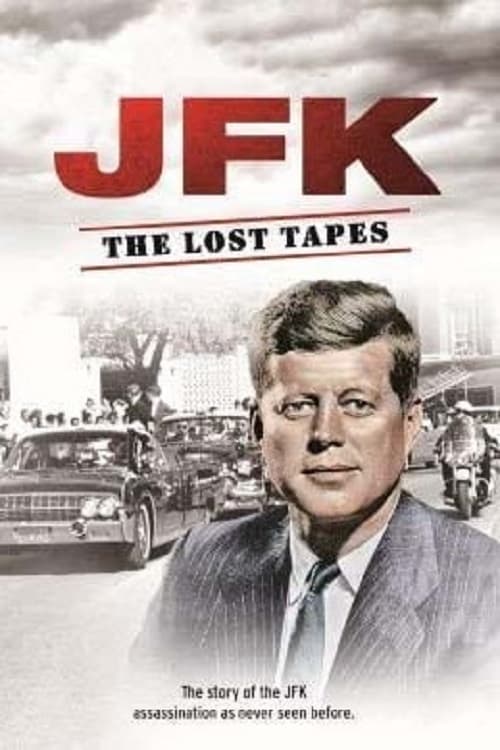
In the ending of "JFK: The Lost Tapes," the film culminates with a series of revelations and reflections on the assassination of President John F. Kennedy. The documentary presents a montage of archival footage, interviews, and expert commentary that underscores the unresolved questions surrounding the event. The film concludes with a somber acknowledgment of the impact of JFK's death on American society and the lingering conspiracy theories that continue to captivate public interest.
As the film draws to a close, it revisits the key figures involved in the investigation and the aftermath of the assassination. The audience is left with a sense of uncertainty about the truth, as the film emphasizes the complexity of the events and the various narratives that have emerged over the years.
Expanded Narrative:
The final scenes of "JFK: The Lost Tapes" unfold with a poignant montage that intersperses historical footage of President Kennedy's life and presidency with the chaotic aftermath of his assassination. The screen fills with images of the somber crowds gathered in mourning, the funeral procession, and the iconic image of Jacqueline Kennedy, her face etched with grief, as she walks beside her husband's casket.
As the film transitions into the concluding moments, the narrative shifts to the voices of historians and experts who reflect on the implications of JFK's assassination. They discuss the profound impact it had on the nation, highlighting the sense of loss and betrayal felt by the American public. The camera captures the faces of those who lived through that era, their expressions revealing a mix of sorrow and confusion.
The film then revisits key figures such as Lee Harvey Oswald, whose fate is sealed as he is shot by Jack Ruby before he can stand trial, leaving many questions unanswered. The audience is reminded of the various conspiracy theories that have emerged over the decades, with experts discussing the possibility of multiple shooters and government involvement. The tension in their voices conveys the frustration of not having definitive answers.
As the documentary nears its conclusion, it emphasizes the ongoing quest for truth. The screen fills with images of protests and calls for transparency, showcasing the public's demand for accountability. The emotional weight of the narrative crescendos as the film juxtaposes the hope and idealism of JFK's vision for America with the stark reality of his untimely death.
In the final moments, the film leaves viewers with a lingering sense of uncertainty. The screen fades to black, and the last words echo the sentiment that the truth about JFK's assassination may never be fully uncovered. The audience is left to ponder the legacy of a president whose life was cut short and the enduring questions that continue to haunt the nation.
The fate of the main characters is sealed in this somber reflection: John F. Kennedy, a visionary leader, is lost to history; Lee Harvey Oswald, the accused assassin, is silenced forever; and the American public, grappling with the aftermath, is left with a fractured sense of trust in their government and the institutions meant to protect them. The film closes, leaving a haunting reminder of the fragility of democracy and the complexities of truth.
Is there a post-credit scene?
The movie "JFK: The Lost Tapes," produced in 2013, does not contain a post-credit scene. The film focuses on the exploration of newly discovered audio and visual materials related to the assassination of President John F. Kennedy, delving into the historical context and the various theories surrounding the event. The narrative concludes without any additional scenes or content after the credits roll, maintaining its focus on the documentary's primary subject matter.
What key events are highlighted in the lost tapes regarding JFK's presidency?
The lost tapes focus on pivotal moments during JFK's presidency, including his handling of the Cuban Missile Crisis, his civil rights initiatives, and his foreign policy decisions. These events are depicted through a combination of archival footage and audio recordings, showcasing JFK's leadership style and the pressures he faced.
How does the film portray JFK's relationship with his advisors?
The film illustrates JFK's complex relationship with his advisors, particularly with figures like Robert Kennedy and Dean Rusk. It captures moments of tension and collaboration, revealing JFK's reliance on their counsel while also showcasing his independent decision-making process.
What specific challenges does JFK face in the film regarding the Vietnam War?
In the film, JFK is depicted grappling with the escalating situation in Vietnam. The lost tapes reveal his concerns about U.S. involvement and the potential consequences of military escalation, highlighting his internal conflict and the differing opinions among his advisors.
How does the film depict the public's perception of JFK during his presidency?
The film uses the lost tapes to illustrate the public's perception of JFK, showcasing his charisma and the optimism he inspired in many Americans. It contrasts this with the growing discontent and skepticism that emerged as his presidency progressed, particularly in relation to civil rights and foreign policy.
What role does the media play in the events depicted in the film?
The film emphasizes the role of the media in shaping public opinion about JFK and his administration. It highlights key press conferences and media interactions, showcasing how JFK navigated the challenges of media scrutiny while attempting to communicate his vision and policies to the American people.
Is this family friendly?
"JFK: The Lost Tapes" is a documentary that delves into the events surrounding the assassination of President John F. Kennedy, utilizing archival footage and audio recordings. While it is primarily a historical examination, there are several aspects that may be considered objectionable or upsetting for children or sensitive viewers:
-
Graphic Imagery: The film includes archival footage of the assassination and its aftermath, which may be disturbing due to the violent nature of the event.
-
Discussion of Violence: The documentary addresses themes of political violence, conspiracy, and the impact of the assassination on the nation, which may be heavy for younger audiences.
-
Emotional Reactions: The film captures the emotional turmoil of the nation following Kennedy's death, including grief and shock, which could be intense for sensitive viewers.
-
Historical Context: The exploration of political intrigue and the darker aspects of government actions may be complex and unsettling for younger viewers.
Overall, while the film is educational and informative, its content may not be suitable for all children or those who are particularly sensitive to themes of violence and loss.