
















Popular
What is the significance of the wedding scenes in the film?
What is the significance of Leo's blog in the story?
How does Leo's relationship with his ex-wife affect his character development?
What role does the character of Colette play in Leo's journey?
How does the film portray the theme of unrequited love through Leo's experiences?
Should I watch it?
Ask Your Own Question

What is the plot?
Sorry, we aren't able to watch and write up a full detailed plot yet. Check back in a few days.





What is the ending?
In the ending of "The Right Kind of Wrong," Leo, after a series of misadventures and emotional turmoil, finally confronts his feelings for the married woman, Colette. He realizes that he must let her go for her own happiness. The film concludes with Leo finding a sense of purpose and moving forward in his life, while Colette makes a choice about her own future.
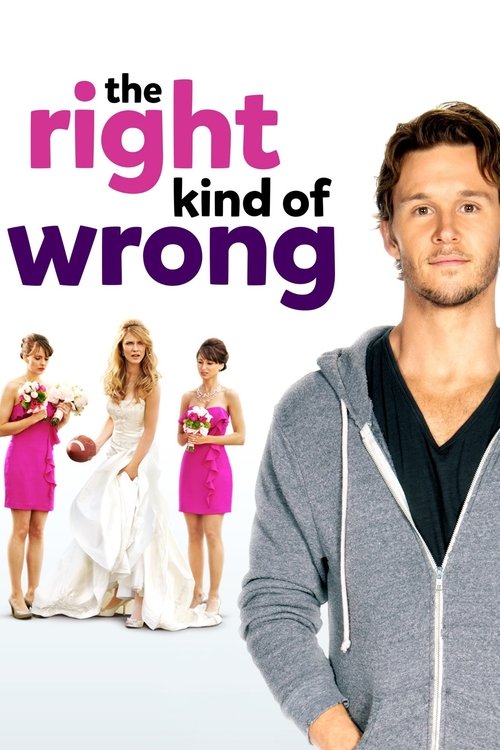
As the film approaches its conclusion, we find Leo (played by Ryan Kwanten) in a state of emotional upheaval. He has been pursuing Colette (played by Sara Canning), who is married to a successful but unkind man, and their relationship has been fraught with complications. The tension builds as Leo grapples with his feelings and the reality of Colette's situation.
In a pivotal scene, Leo attends Colette's wedding to her husband, a moment that is both heartbreaking and illuminating. As he watches her walk down the aisle, he is filled with a mix of longing and despair. The atmosphere is charged with emotion; the music swells, and the camera captures Leo's conflicted expression. He realizes that despite his deep affection for Colette, he cannot stand in the way of her happiness, even if it means letting her go.
After the wedding, Leo has a moment of clarity. He understands that his love for Colette is genuine, but it cannot be selfish. He decides to confront her one last time, leading to a heartfelt conversation where he expresses his feelings. Colette, torn between her loyalty to her husband and her undeniable connection with Leo, is visibly shaken. The scene is intimate, filled with raw emotion as they both acknowledge the depth of their bond while recognizing the impossibility of their situation.
In the final moments of the film, Leo makes a significant choice. He steps back from pursuing Colette, allowing her to make her own decisions about her life. This act of selflessness marks a turning point for Leo, who has been portrayed as a somewhat aimless character throughout the film. He begins to find a sense of direction and purpose, suggesting that he is ready to embrace his own future.
As the credits roll, we see Leo moving forward, symbolizing growth and acceptance. Colette, on the other hand, is left to navigate her own path, having been given the space to reflect on her choices. The film closes on a note of bittersweet resolution, highlighting the complexities of love and the importance of personal freedom.
In summary, Leo finds closure and a new beginning, while Colette is left to make her own choices, emphasizing the film's themes of love, sacrifice, and personal growth.
Is there a post-credit scene?
In "The Right Kind of Wrong," there is no post-credit scene. The film concludes without any additional scenes or content after the credits roll. The story wraps up with the main characters, Leo and Colette, having navigated their complicated relationship, leaving the audience with a sense of resolution regarding their journey. The focus remains on the narrative's emotional core rather than extending the story further in a post-credit sequence.
What is the significance of the wedding scenes in the film?
The wedding scenes in the film serve as a critical turning point for Leo's character. They symbolize the culmination of his internal conflict regarding love and commitment. As he navigates the chaos of weddings, which are often filled with joy and celebration, Leo is confronted with his own feelings of loneliness and desire for connection. These scenes also highlight the contrast between societal expectations of love and the unconventional path Leo is on, ultimately pushing him to reevaluate what love means to him.
What is the significance of Leo's blog in the story?
Leo's blog serves as a crucial narrative device that reflects his inner thoughts and feelings about love and relationships. It highlights his perspective on being the 'wrong' kind of man for a woman, as he chronicles his experiences and observations about love, often with a humorous and cynical tone. The blog also becomes a point of contention and connection between him and the other characters, particularly with his love interest, who finds his writing both intriguing and infuriating.
How does Leo's relationship with his ex-wife affect his character development?
Leo's relationship with his ex-wife, who is now marrying another man, deeply impacts his emotional state and character arc. Throughout the film, he grapples with feelings of inadequacy and regret, which are exacerbated by her impending marriage. This past relationship serves as a backdrop for his current romantic pursuits and highlights his struggles with commitment and self-acceptance, ultimately pushing him to confront his fears and desires.
What role does the character of Colette play in Leo's journey?
Colette is a pivotal character in Leo's journey, representing both a challenge and a source of inspiration. Initially, she is engaged to another man, which complicates Leo's feelings for her. As the story unfolds, Colette's interactions with Leo reveal her own struggles with love and commitment, and she becomes a catalyst for Leo's transformation. Her eventual recognition of Leo's unique qualities helps him realize that being 'wrong' can sometimes lead to the right kind of love.
How does the film portray the theme of unrequited love through Leo's experiences?
The film vividly portrays unrequited love through Leo's persistent yet often futile attempts to win over Colette, who is initially unavailable. His longing and the humorous misadventures that ensue highlight the pain and absurdity of unreciprocated feelings. Leo's internal monologues and blog entries provide insight into his emotional turmoil, showcasing the contrast between his idealistic views on love and the harsh realities he faces.
Is this family friendly?
"The Right Kind of Wrong" is a romantic comedy that contains several elements that may not be suitable for children or sensitive viewers. Here are some potentially objectionable or upsetting aspects:
-
Adult Themes: The film explores themes of love, heartbreak, and relationships, which may include discussions or depictions of romantic and sexual situations that are more appropriate for mature audiences.
-
Language: There are instances of strong language throughout the film, which may not be suitable for younger viewers.
-
Sexual Content: The film includes scenes that depict sexual situations and innuendos, which may be uncomfortable for children or sensitive viewers.
-
Emotional Turmoil: Characters experience significant emotional struggles, including feelings of rejection, loneliness, and despair, which could be upsetting for some viewers.
-
Divorce and Relationship Issues: The narrative involves themes of divorce and the complexities of adult relationships, which may be difficult for younger audiences to understand or process.
Overall, while the film has comedic elements, its mature themes and content may not make it family-friendly.








