













Popular
What is the significance of the meeting between John and his doppelgänger, the other John?
How does the protagonist, John, feel about his life before meeting his doppelgänger?
What role does the family dynamic play in the story, particularly with the other John's family?
How does the character of the other John's wife, Sophie, influence the plot?
What are the consequences of John's decision to assume the other John's identity?
Should I watch it?
Ask Your Own Question

What is the plot?
Sorry, we aren't able to watch and write up a full detailed plot yet. Check back in a few days.








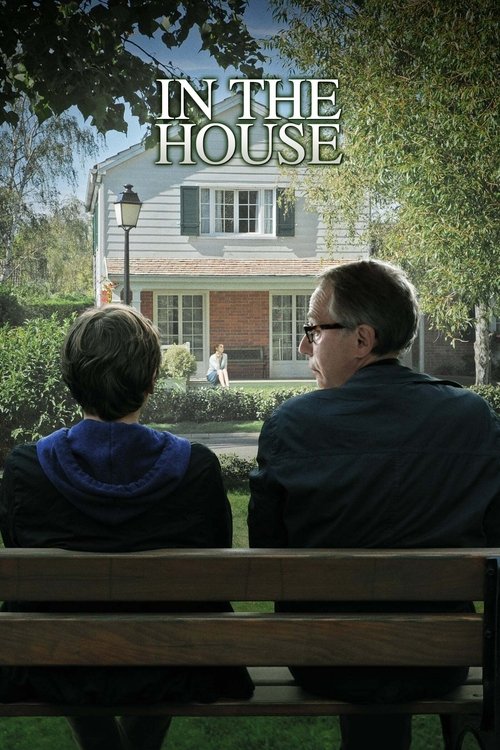
What is the ending?
In the ending of "The Scapegoat," John, having taken on the identity of his doppelgänger, faces the consequences of his choices. He ultimately decides to leave the life of the other man behind, allowing the family to confront their issues without him. The film concludes with John walking away, symbolizing his desire for freedom and a fresh start.
As the final act unfolds, we find John, who has been living the life of his wealthy counterpart, the troubled businessman, in a state of internal conflict. The tension has been building as he grapples with the moral implications of his actions and the impact they have had on the family he has temporarily inhabited.
Scene by scene, the narrative progresses as follows:
The first scene of the ending begins with John sitting in a lavish room, surrounded by the remnants of the life he has been living. He reflects on the chaos that has ensued since he took on the identity of his doppelgänger, the real-life businessman, who has been embroiled in family strife and financial troubles. The weight of the deception hangs heavily on him, and he feels increasingly out of place in this world of privilege and expectation.
In the next scene, John confronts the family members, particularly the businessman's estranged wife and children. The tension is palpable as they navigate their complex emotions. John, who has developed a bond with them, realizes that his presence has only complicated their lives further. He sees the pain and confusion in their eyes, and it becomes clear to him that he cannot continue to live this lie. The family is on the brink of a breakdown, and John understands that he must step aside for them to heal.
As the climax approaches, John makes the difficult decision to leave. He gathers his belongings, a symbolic act of shedding the life he has been living. The family, particularly the wife, expresses a mix of anger and sadness, as they have come to rely on him in the absence of their true patriarch. John's departure is met with resistance, but he stands firm in his resolve, knowing that this is the only way for them to confront their issues honestly.
In the final moments, John walks away from the opulent estate, leaving behind the life of luxury and the emotional turmoil that came with it. He steps into the open air, a sense of liberation washing over him. The camera lingers on his face, capturing a mixture of relief and uncertainty about the future. He is free from the burdens of deception, but the path ahead is unclear.
The film concludes with John disappearing into the distance, symbolizing his quest for a new beginning. The fate of the other characters is left ambiguous; the family must now face their challenges without the crutch of John's presence. The emotional weight of their unresolved issues hangs in the air, suggesting that while John has found his freedom, the family must now confront their own truths and the consequences of their past actions.
Is there a post-credit scene?
The movie "The Scapegoat," produced in 2013, does not contain a post-credit scene. The film concludes its narrative without any additional scenes or content after the credits roll. The story wraps up with the resolution of the main character's journey and the implications of the choices made throughout the film, leaving the audience with a sense of closure regarding the characters and their arcs.
What is the significance of the meeting between John and his doppelgänger, the other John?
The meeting between John and his doppelgänger, also named John, serves as a pivotal moment in the film. It highlights the stark contrast between their lives; the other John is wealthy, confident, and seemingly carefree, while the protagonist is disillusioned and struggling with his identity. This encounter sets off a chain of events where the protagonist is drawn into the other John's life, leading to a deeper exploration of themes like identity, choice, and consequence.
How does the protagonist, John, feel about his life before meeting his doppelgänger?
Before meeting his doppelgänger, John feels a profound sense of dissatisfaction and disconnection from his life. He is portrayed as a lonely figure, grappling with feelings of inadequacy and a lack of purpose. His mundane existence is marked by a sense of longing for something more fulfilling, which makes the encounter with his doppelgänger all the more impactful as it presents him with an opportunity to escape his reality.
What role does the family dynamic play in the story, particularly with the other John's family?
The family dynamic is crucial to the narrative, particularly as John navigates the complexities of the other John's family. The other John's family is depicted as dysfunctional, with underlying tensions and secrets that John must confront. As he steps into the other John's life, he experiences the weight of familial expectations and the emotional turmoil that comes with them, which forces him to reflect on his own relationships and the nature of family loyalty.
How does the character of the other John's wife, Sophie, influence the plot?
Sophie, the other John's wife, plays a significant role in the unfolding drama. Her initial warmth and charm draw John in, but as the story progresses, her complexities and the strain in her marriage become apparent. She represents both a temptation and a challenge for John, as he grapples with his feelings for her while trying to maintain the facade of being her husband. Her character adds emotional depth and tension, complicating John's journey of self-discovery.
What are the consequences of John's decision to assume the other John's identity?
John's decision to assume the other John's identity leads to a series of escalating consequences that affect not only his life but also the lives of those around him. Initially, he experiences a sense of freedom and excitement, but as he becomes entangled in the other John's problems, he faces moral dilemmas and the threat of exposure. This choice forces him to confront his own values and the impact of his actions, ultimately leading to a dramatic climax that tests his character and resolve.
Is this family friendly?
The Scapegoat (2013) is a drama that explores complex themes and character dynamics, which may not be suitable for younger audiences or sensitive viewers. Here are some potentially objectionable or upsetting aspects:
-
Family Conflict: The film delves into intense family dynamics, including betrayal and emotional manipulation, which may be distressing for some viewers.
-
Themes of Identity and Deception: The central premise involves identity theft and deception, leading to moments of tension and moral ambiguity that could be unsettling.
-
Emotional Turmoil: Characters experience significant emotional struggles, including feelings of isolation, guilt, and despair, which may resonate deeply with sensitive viewers.
-
Alcohol Use: There are scenes depicting characters consuming alcohol, which may not be appropriate for children.
-
Mature Themes: The film touches on themes of infidelity and personal crisis, which may be difficult for younger audiences to understand or process.
Overall, while the film does not contain graphic violence or explicit content, its emotional depth and mature themes may make it less suitable for children or those who are sensitive to such topics.









