







Popular
What motivates the boy to leave his home and embark on a journey?
How does Cuca's perception of the world change throughout his journey?
What role does Cuca's mother play in his emotional journey?
What are some significant encounters Cuca has during his travels, and how do they impact him?
How does the animation style contribute to the storytelling of Cuca's journey?
Should I watch it?
Ask Your Own Question

What is the plot?
Sorry, we aren't able to watch and write up a full detailed plot yet. Check back in a few days.
More Movies Like This
Browse All Movies →








What is the ending?
In the ending of "Boy & the World," the boy, after a long journey filled with discovery and hardship, finds himself in a bustling city where he witnesses the harsh realities of urban life. He ultimately reunites with his father, but the reunion is bittersweet as they are both changed by their experiences. The film concludes with a sense of hope and resilience, as the boy continues to navigate his world, embodying the spirit of childhood wonder amidst the complexities of life.
As the film approaches its conclusion, the boy's journey takes him deeper into the city, a place filled with vibrant colors but also stark contrasts. The scene opens with the boy standing at the edge of a sprawling urban landscape, his wide eyes reflecting both awe and confusion. The cacophony of city life surrounds him--honking cars, bustling crowds, and towering buildings that seem to touch the sky. He feels small and lost, yet there is a spark of determination in his heart.
As he wanders through the city, the boy encounters various characters who represent different facets of urban life. He sees workers toiling in factories, their faces weary and worn, and he feels a pang of empathy for their struggles. The boy's innocence clashes with the harsh realities he witnesses, and he grapples with the complexities of adulthood that he is beginning to understand.
In a poignant moment, the boy stumbles upon a street performance, where artists express their dreams and frustrations through music and dance. He is captivated by their passion, and for a brief moment, he is reminded of the joy and creativity that exists even in difficult circumstances. This scene serves as a reminder of the resilience of the human spirit, even in the face of adversity.
As the boy continues his journey, he finally arrives at a construction site where he sees his father working. The reunion is filled with emotion; the boy runs to his father, and they embrace tightly. However, the moment is tinged with sadness as both characters realize how much they have changed. The father, once a symbol of strength and protection, now appears weary and burdened by the weight of his responsibilities. The boy, who set out on this journey with dreams of adventure, now understands the complexities of life and the sacrifices that come with it.
In the final scenes, the boy and his father walk together through the city, their bond strengthened yet altered by their experiences. They share a quiet moment of understanding, acknowledging the challenges they face but also the love that binds them. The film closes with the boy looking up at the sky, a symbol of hope and possibility. He carries with him the lessons learned from his journey, embodying the spirit of childhood wonder as he continues to navigate the complexities of his world.
The fate of the main characters is one of growth and transformation. The boy emerges from his journey with a deeper understanding of life, while his father, though burdened, finds solace in the connection with his son. Together, they represent the enduring bond of family and the resilience required to face the challenges of life. The film ends on a note of hope, suggesting that despite the struggles, there is always a path forward, illuminated by love and understanding.
Is there a post-credit scene?
The movie "Boy & the World" does not have a post-credit scene. The film concludes its narrative without any additional scenes after the credits roll. The story wraps up with the boy's journey and the emotional resolution of his experiences, leaving the audience to reflect on the themes of childhood, innocence, and the impact of industrialization on society. The absence of a post-credit scene emphasizes the film's poignant message rather than providing further narrative developments.
What motivates the boy to leave his home and embark on a journey?
The boy, named Cuca, is motivated to leave his home after his father goes away to work in the city, leaving him and his mother behind. His longing for his father and the desire to understand the world beyond his rural home drive him to embark on a journey filled with exploration and discovery.
How does Cuca's perception of the world change throughout his journey?
As Cuca travels, his perception of the world evolves significantly. Initially, he sees the world as a vibrant and colorful place filled with wonder. However, as he encounters the harsh realities of urban life, industrialization, and social issues, his view becomes more complex and somber, reflecting the contrast between innocence and the challenges of adulthood.
What role does Cuca's mother play in his emotional journey?
Cuca's mother represents love, warmth, and the emotional anchor in his life. Her sadness and longing for her husband deeply affect Cuca, and her presence in his memories serves as a reminder of home and the emotional ties that bind him. Her struggles highlight the impact of separation and the emotional turmoil that Cuca experiences throughout his journey.
What are some significant encounters Cuca has during his travels, and how do they impact him?
Cuca encounters various characters during his travels, including a group of children who introduce him to the joys of friendship and play, and a homeless man who exposes him to the harsh realities of life. Each encounter shapes his understanding of society, highlighting themes of inequality, hope, and resilience, ultimately influencing his emotional growth.
How does the animation style contribute to the storytelling of Cuca's journey?
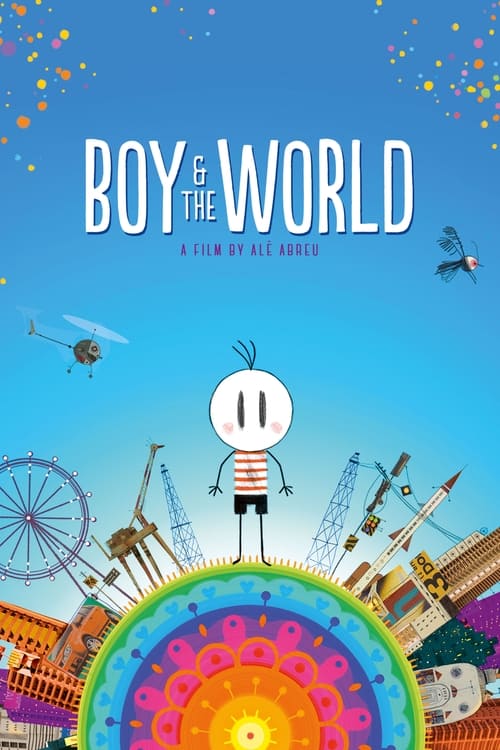
The animation style of 'Boy & the World' is vibrant and expressive, using a mix of colors and abstract forms to reflect Cuca's emotions and experiences. The fluidity of the animation allows for a dreamlike quality that enhances the storytelling, making the viewer feel the wonder and confusion of Cuca's journey, while also emphasizing the stark contrasts between the beauty of nature and the grimness of urban life.
Is this family friendly?
"Boy & the World" is generally considered family-friendly, but it does contain some scenes and themes that may be upsetting or objectionable for younger children or sensitive viewers. Here are a few aspects to consider:
-
Separation and Loss: The film explores themes of family separation, particularly the boy's longing for his father, who leaves home. This emotional weight may resonate deeply and could be distressing for some children.
-
Social Issues: The film addresses various social and economic issues, including poverty, exploitation, and environmental degradation. These themes are depicted through visual metaphors that may be confusing or unsettling for younger audiences.
-
Violence and Conflict: There are scenes that depict conflict and violence, including protests and the impact of industrialization. While not graphic, the imagery can be intense and may evoke feelings of fear or anxiety.
-
Emotional Struggles: The protagonist experiences a range of emotions, including sadness, confusion, and despair. These emotional moments are portrayed in a poignant manner that might be overwhelming for sensitive viewers.
-
Surreal Imagery: The film employs a unique animation style that includes surreal and abstract visuals. Some of these images may be disorienting or frightening for younger children.
Overall, while "Boy & the World" is a beautifully crafted film with a heartfelt message, parents may want to consider these elements when deciding if it is suitable for their children.








