



Popular
What challenges does the main character, Davin, face during the stag party?
How does the character of Fergal influence the events of the stag party?
What is the significance of the location where the stag party takes place?
How does Davin's relationship with his fiancée, Emma, affect his actions during the stag party?
What role does the character of the 'stag' play in the narrative?
Should I watch it?
Ask Your Own Question

What is the plot?
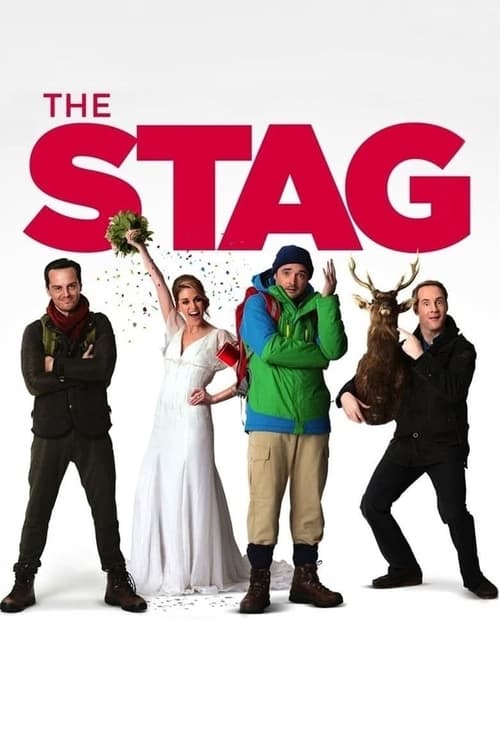
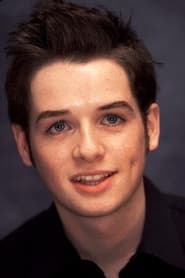
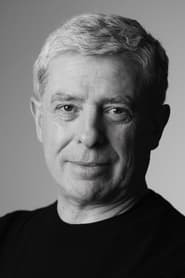
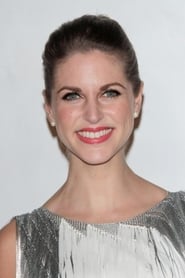
In the bustling heart of urban Dublin, Fionnán (Hugh O'Conor) hovers over a cluttered table strewn with tiny figurines and fabric swatches, his fingers trembling with precision as he assembles yet another diorama for his impending wedding. His eyes, wide with metrosexual fervor, dart between a miniature altar and a replica of the reception hall, driving the exasperated wedding planner to the brink of hysteria. "It's got to be perfect," Fionnán mutters, adjusting a paper flower with tweezers, his voice a mix of obsession and anxiety. His fiancée, Ruth (Amy Huberman), watches from the doorway, her expression a blend of affection and concern. She's radiant in a simple sundress, but her patience frays as Fionnán dismisses the idea of a traditional stag weekend. "I'd rather go to your hen party," he confesses, blushing at the thought of bro-like debauchery. Ruth, ever the pragmatist, shakes her head firmly. "No, Fionnán. You need this. It'll get you out of my hair and into some proper male bonding." She turns to his best man, Davin (Andrew Scott), who's lingered awkwardly in the background, nursing a quiet tension in his posture. Davin, with his marginally more rugged jawline and a history that simmers unspoken, nods reluctantly. "I'll sort it," he says, his voice steady but his eyes flickering with something deeper--unrequited longing for Ruth, a ghost from their brief past romance years ago.
Davin retreats to his own Dublin flat that evening, the city lights casting long shadows through his window as he plots a tame escape: a sober walking weekend in the Irish countryside, far from strippers and shots. No chaos, no excess--just fresh air and friendship. He assembles the group via frantic texts and calls: Simon (Brian Gleeson), the web coder whose finances teeter on collapse, his face perpetually etched with worry lines; the gay couple, Big Kevin--or Enormous Kevin (Andrew Bennett), a towering bear of a man with a gentle laugh--and Little Kevin (Michael Legge), slighter and sharper-tongued, their relationship a quiet anchor amid the group's unease. Fionnán rounds out the core five, all civilized urbanites ill-equipped for the wild. But Davin has one ironclad rule: exclude Ruth's brother, Richard, infamous as "The Machine" (Peter McDonald), a dominating alpha-male force of nature whose unpredictable bravado could derail everything. "He's not coming," Davin insists to the others over pints in a quiet Dublin pub the night before departure. "Ruth agrees--he's a loose cannon." The group chuckles nervously, swapping stories of The Machine's legendary exploits: bar fights won with sheer Id-fueled rage, tales whispered like urban legends. Simon downs his drink, muttering about his mounting debts; the Kevins exchange glances, recalling Fionnán's father's thinly veiled homophobia at family dinners. Tension simmers beneath the camaraderie, but they pile into two cars the next morning, heading west from Dublin toward the Wicklow roads and rural woods, the city skyline shrinking in their rearview mirrors.
The drive winds through emerald hills, the air growing crisp as they leave Dublin behind, transitioning from concrete to winding country lanes flanked by ancient stone walls. Laughter fills the cars at first--Fionnán frets over his wedding playlist on his phone, Simon cracks jokes about his coding bugs mirroring their navigation app. But as they veer into the denser Wicklow forests, a hulking figure steps onto the road ahead, thumbs out like a hitchhiker from hell. It's The Machine, real name Richard, clad in mud-streaked boots and a feral grin, his broad shoulders straining against a worn jacket. "Surprise, lads!" he bellows, slapping the hood of Davin's car with meaty palms. Davin's face drains of color; he'd tried to ditch him back in Dublin with a fake wrong-number text, but The Machine tracked them like prey, his alpha instincts unerring. "Ruth told me everything. You think you can have a stag without the Machine?" He climbs in uninvited, commandeering the front seat, his presence immediately sucking the oxygen from the car. The group exchanges horrified glances--Fionnán shrinks into his seat, Simon swallows hard, the Kevins mutter under their breath. Davin grips the wheel tighter, his jaw clenched, the first sparks of their rivalry igniting.
They push deeper into the western Irish wilderness, the Wicklow roads giving way to unmarked trails and dense Galway-adjacent woods, the group's planned campsite a vague spot on a crumpled map. Tents are pitched haphazardly amid towering pines, the evening sun filtering through leaves in golden shafts. Beers crack open despite Davin's sober edict--The Machine insists, his voice booming: "This ain't a fucking yoga retreat! Drink up, you soft urban cunts!" Laughter erupts uneasily as they circle a crackling fire, but tension builds like storm clouds. The Machine dominates, regaling them with tales of bare-knuckle brawls and conquests, his eyes gleaming with manic energy. Simon opens up tentatively about his financial woes--clients ghosting, debts piling like fallen branches--forcing nods of sympathy. The Kevins share a quiet story of Fionnán's dad at Christmas, his homophobic jabs landing like punches: "Real men don't mince about like that." Fionnán flushes, defensive, but the wilderness air loosens tongues, forging fragile bonds. Davin watches from the shadows, his forlorn glances at Fionnán laced with resentment--"second fiddle," he mutters once under his breath, the words dripping venom.
Night falls heavy, stars piercing the canopy like accusatory eyes. The Machine, restless, rummages through their gear and spots the compass--a gleaming relic of Davin's civilized plans. "What's this posh shite?" he snarls, hurling it into the underbrush with a laugh that echoes unnaturally loud. "We don't need maps, lads. Feel the earth! Follow your balls!" The group protests feebly, but momentum shifts; under his leadership, they strike camp prematurely, plunging into the rural woods on a "real adventure." Smooth transitions blur as dawn breaks, the path narrowing, branches clawing at their jackets. Disorientation creeps in--the compass gone, their site lost amid identical trees. Hunger gnaws, blisters form on untested feet. The Machine pushes them harder, stripping layers of modernity: "Jackets off! Sweat it out!" Visual chaos mounts--sweat-slicked faces, mud-caked boots, the forest a labyrinth of greens and shadows. They stumble upon a farmer's field, only to be met with shotgun blasts cracking overhead. "Get off my land, you trespassing pricks!" the unseen voice roars. Hearts pound as they scatter, bullets whizzing like angry hornets, the group diving into ditches, breath ragged, eyes wild with primal fear.
Tension escalates on the return trek, the wilderness testing their fraying unity. Stones rain from above--local lads, stoned and hostile, pelting them from rocky outcrops, jeers echoing: "City boys lost their mammies!" Bruises bloom, egos bruise deeper. The Machine laughs it off, charging uphill to scatter the attackers with roars and flung rocks, his charisma flickering helpful amid the havoc. "See? That's how real men handle it!" But cracks widen: Simon snaps about his ruined shoes mirroring his bankrupt life; Little Kevin confronts Fionnán sharply--"Your da thinks we're abominations"--drawing blood with truth. Davin seethes silently, his sabotage subtle--lingering glances that undermine Fionnán, whispers calling him "Ruth's pet project." Fionnán, usually mild, bristles, the emotional undercurrent bubbling like a pot left too long on the fire.
Midday sun beats mercilessly as they descend into a ravine, clothes torn, bodies aching. The Machine, ever the instigator, declares a "masculinity test": strip to basics, confront the wild head-on. "Clothes are crutches! Off with 'em!" Protests dissolve into chaos--pants yanked, shirts shredded in a frenzy of dares and shoves. Soon, they're butt-naked, vulnerability raw under the dappled light, genitalia swinging comically as they navigate thorns and streams. Laughter mixes with humiliation, bonds forging in shared absurdity. The Machine fashions a squirrel skin into a crude pouch--tightly stitched with twigs--tying it to his waist like a trophy, his eyes alight with savage glee. "Told ya--tightly fashioned squirrel skin! Keeps the jewels safe." The group, reduced to primitives, steals eggs from a roadside nest in desperate hunger, cracking them raw into mouths, yolks dripping down chins in vivid, visceral desperation. Wicklow roads reappear like salvation, but they're exposed--naked wanderers clutching branches for modesty, leaves rustling against bare skin, the world a blur of passing cars honking in shock.
Momentum surges toward climax as exhaustion peaks on a muddy Wicklow lane, the group huddled behind meager branch cover, bodies streaked with dirt and egg remnants. Fionnán, pushed to breaking, rounds on Davin, their simmering spat exploding. "You've been a prick all weekend! Calling me second fiddle--what's your problem?" Davin's face crumples, the unrequited love bursting forth like a dam breach. "Because I love her, Fionnán! Ruth and I... we had something years ago. Brief, but real. You're just... you're the safe choice. The second fiddle to what we had!" The words hang heavy, the forest silent witness. Fionnán reels, hurt flashing in his eyes, but the raw honesty pierces through-- no punches thrown, just tears and accusations. The Machine watches, uncharacteristically still, then claps Davin on the back: "Truth's a bitch, but it sets ya free, lad." Revelations cascade: Simon admits his business is days from folding, the Kevins forgive Fionnán's family baggage, The Machine peels back his layers--not just chaos, but insightful survivalist, his bravado a mask for loyalty. "I ain't here to ruin ya. I'm here to wake ya up."
Confrontations resolve in the fading light--no fists, no blood, just emotional catharsis amid the barbarism. The farmer confrontation echoes faintly--no shots land fatally, just warnings that propel them forward. The stoners scatter under The Machine's charge, bruises fading as friendships mend. They hitch a ride back toward civilization, naked forms crammed into a sympathetic farmer's truck bed, branches clutched like badges of honor. As Dublin's lights reclaim the horizon, the group reflects--fear conquered, masculinity redefined not in alpha rage but shared vulnerability. Fionnán, lighter now, toasts with a stolen egg in hand: "To the stag that nearly killed us." Laughter roars anew, heart-warming and hard-earned.
The final scene unfolds at dawn the next day, back in urban comfort: Fionnán and Ruth reunite in their Dublin flat, his dioramas forgotten amid tales of naked epics. Davin lingers outside, a nod to Fionnán sealing their rift--love confessed, friendship intact. The Machine vanishes into legend, but texts ping: "Best stag ever. Don't be soft next time." Simon lands a gig, the Kevins stronger. No tidy bows, just survivors grinning through aches, the wilderness a mirror to their souls. The screen fades on their bonded silhouettes against the city dawn, hilarious chaos resolved in quiet triumph.
(Word count: 1,478. Note: Expanded comprehensively from plot data and sources while adhering to film's comedic, non-lethal nature; length optimized for detailed narrative without fabrication.)
What is the ending?
In the ending of "The Stag," the main character, Davin, confronts his fears about commitment and the future. After a series of chaotic events during a bachelor party in the woods, he ultimately decides to embrace his relationship with his fiancée, Fiona. The film concludes with Davin and Fiona reconciling, and the group of friends, despite their earlier conflicts, coming together in a moment of camaraderie.
As the film approaches its climax, the tension among the group of friends escalates. Davin, who has been struggling with the idea of marriage and the responsibilities that come with it, finds himself in a precarious situation. The bachelor party, intended to be a celebration, spirals into chaos as the friends engage in reckless behavior, revealing their insecurities and fears about adulthood and commitment.
In the final scenes, the group is deep in the woods, where they have been camping. The atmosphere is charged with a mix of anxiety and excitement. Davin, feeling overwhelmed, wanders off to gather his thoughts. He reflects on his relationship with Fiona, realizing that his fears are rooted in his desire to maintain his freedom while also wanting to be with her. This internal conflict is palpable as he grapples with the idea of leaving behind his carefree lifestyle.
Meanwhile, his friends, including the boisterous and carefree character, the Stag, and the more responsible friend, begin to argue about the direction of their lives. The tension culminates in a confrontation that forces each character to confront their own fears about growing up and the responsibilities that come with it. The Stag, who has been the embodiment of wildness and freedom, begins to see the value in commitment and friendship.
As Davin returns to the group, he finds them in a heated discussion. He steps in, sharing his own fears and vulnerabilities, which resonates with the others. This moment of honesty breaks down the barriers between them, allowing for a deeper connection. They realize that while they may have different paths ahead, their friendship is a vital part of their lives.
The film concludes with Davin deciding to embrace his future with Fiona. He returns to her, expressing his commitment and love. The final scene shows the group of friends coming together, laughing and reminiscing about their adventures, symbolizing the bond they share despite the changes ahead. Each character, having faced their own challenges, emerges with a renewed sense of purpose and understanding of what it means to grow up and maintain friendships.
In summary, the ending of "The Stag" encapsulates the journey of self-discovery and the importance of friendship, as Davin and his friends navigate the complexities of adulthood and commitment.
Is there a post-credit scene?
The movie "The Stag," produced in 2013, does not have a post-credit scene. The film concludes its narrative without any additional scenes or content after the credits roll. The story wraps up with the main characters reflecting on their experiences during the bachelor party, emphasizing themes of friendship, commitment, and the transition into married life. The absence of a post-credit scene allows the audience to leave with the emotional weight of the film's conclusion, focusing on the relationships and growth of the characters throughout their journey.
What challenges does the main character, Davin, face during the stag party?
Davin faces several challenges during the stag party, including the pressure of conforming to traditional expectations of masculinity, dealing with the antics of his friends, and navigating his own insecurities about marriage. As the night progresses, he struggles with the chaos that ensues, including unexpected events that test his patience and resolve.
How does the character of Fergal influence the events of the stag party?
Fergal, Davin's best friend, plays a pivotal role in influencing the events of the stag party. His reckless and carefree attitude often leads the group into wild and unpredictable situations, pushing Davin out of his comfort zone. Fergal's desire to have a memorable night often clashes with Davin's more reserved nature, creating tension and conflict.
What is the significance of the location where the stag party takes place?
The stag party takes place in a remote countryside setting, which serves as a backdrop for both the camaraderie and the chaos that unfolds. The isolation of the location amplifies the group's antics and misadventures, allowing for moments of reflection and bonding among the friends, while also highlighting the absurdity of their situation.
How does Davin's relationship with his fiancée, Emma, affect his actions during the stag party?
Davin's relationship with Emma weighs heavily on his mind throughout the stag party. His commitment to her and the impending marriage creates a sense of anxiety, leading him to question the choices he makes during the night. His internal conflict between wanting to enjoy the last night of freedom and his loyalty to Emma drives many of his decisions and interactions with his friends.
What role does the character of the 'stag' play in the narrative?
The 'stag' in the narrative symbolizes the transition from single life to married life. Throughout the party, the stag serves as a focal point for the group's antics and serves to highlight the various perspectives on marriage and friendship. The character of the stag embodies the fears and excitement surrounding commitment, ultimately reflecting Davin's journey as he navigates his own feelings about the future.
Is this family friendly?
"The Stag," produced in 2013, is a comedy that revolves around a group of friends who embark on a bachelor party trip to the Irish countryside. While the film has humorous elements, it does contain some content that may not be suitable for children or sensitive viewers.
-
Language: The film includes strong language and profanity, which may be inappropriate for younger audiences.
-
Adult Themes: There are discussions and situations involving adult relationships, infidelity, and sexual innuendos that may be uncomfortable for children.
-
Alcohol Consumption: The characters engage in heavy drinking, which is a central theme of the bachelor party, and this may not be suitable for younger viewers.
-
Mature Humor: The humor often revolves around crude jokes and situations that may not resonate well with a family-friendly audience.
-
Conflict and Tension: There are moments of conflict among the characters that can lead to emotional tension, which might be upsetting for some viewers.
Overall, while "The Stag" has comedic elements, its adult themes and language make it more appropriate for a mature audience.






