








Popular
What role does the antagonist play in the story?
How does the relationship between the main characters evolve throughout the film?
How do the characters cope with the loss of their previous lives?
What is the significance of the generator in the story?
What are the key moments that lead to the characters' decisions to trust each other?
Should I watch it?
Ask Your Own Question

What is the plot?
Sorry, we aren't able to watch and write up a full detailed plot yet. Check back in a few days.







What is the ending?
In the ending of "Generator," the main character, a young man named Sam, confronts the consequences of his actions as he faces the reality of his choices. The film culminates in a tense standoff that leads to a tragic resolution, impacting all the characters involved.
As the film progresses towards its conclusion, we find Sam in a dimly lit warehouse, the air thick with tension. He is surrounded by his friends, who have been drawn into a web of deceit and desperation. The atmosphere is heavy with the weight of their decisions, and the flickering lights cast long shadows, symbolizing the uncertainty of their fates.
In a pivotal moment, Sam realizes that the generator they have been trying to fix is not just a machine but a metaphor for their lives--something that once held promise but has now become a source of chaos. His internal struggle is palpable; he grapples with guilt and the burden of leadership as he reflects on how their quest for power and control has spiraled out of hand.
As the confrontation escalates, tensions rise among the group. Sam's closest friend, Jake, feels betrayed and lashes out, leading to a physical altercation. The fight is raw and emotional, showcasing the deep-seated frustrations and fears that have been building throughout the film. Sam, caught between his loyalty to his friends and the need to take responsibility, attempts to mediate, but the situation quickly deteriorates.
In the climax, a tragic accident occurs when the generator malfunctions, causing a catastrophic explosion. The scene is chaotic, with debris flying and the sound of metal clashing echoing through the warehouse. Sam, in a desperate attempt to save Jake, rushes towards him, but the explosion separates them. The camera captures Sam's face, a mix of horror and determination, as he realizes the gravity of the moment.
In the aftermath, we see Sam emerging from the wreckage, battered but alive. He searches frantically for Jake, calling out his name, but the silence that follows is deafening. The emotional weight of loss hangs heavily in the air as Sam comes to terms with the reality that he may have lost his friend forever. The final scenes depict him standing alone amidst the ruins, a haunting reminder of the cost of their ambitions.
The film closes with a lingering shot of the generator, now silent and still, symbolizing the end of their journey and the lessons learned too late. Sam's fate remains uncertain, but the emotional scars of the experience will shape him moving forward, leaving the audience to ponder the consequences of their choices and the fragility of friendship.
Is there a post-credit scene?
In the movie "Generator," produced in 2013, there is no post-credit scene. The film concludes its narrative without any additional scenes or content after the credits roll. The story wraps up with a sense of finality, leaving the audience to reflect on the events that transpired throughout the film. The absence of a post-credit scene emphasizes the film's themes and the resolution of its central conflict, allowing viewers to fully absorb the emotional weight of the characters' journeys.
What role does the antagonist play in the story?
The antagonist, a ruthless scavenger named Marcus, embodies the darker aspects of human nature in the film. His relentless pursuit of the generator and the resources it provides creates a palpable tension, forcing the protagonists to confront not only their physical survival but also their moral choices. His presence challenges the characters' resolve and ultimately leads to a climactic confrontation.
How does the relationship between the main characters evolve throughout the film?
The relationship between the main characters, particularly between Alex and Sarah, evolves from initial distrust to a deep bond forged through shared adversity. As they face external threats and internal conflicts, their emotional states shift from isolation to reliance on one another, culminating in a powerful moment of unity when they confront their fears together.
How do the characters cope with the loss of their previous lives?
The characters cope with their loss in various ways, reflecting their internal struggles. Alex often reminisces about the past, using memories as a coping mechanism, while Sarah channels her grief into determination to protect their makeshift family. Their differing approaches create conflict but also highlight their resilience as they navigate their new reality.
What is the significance of the generator in the story?
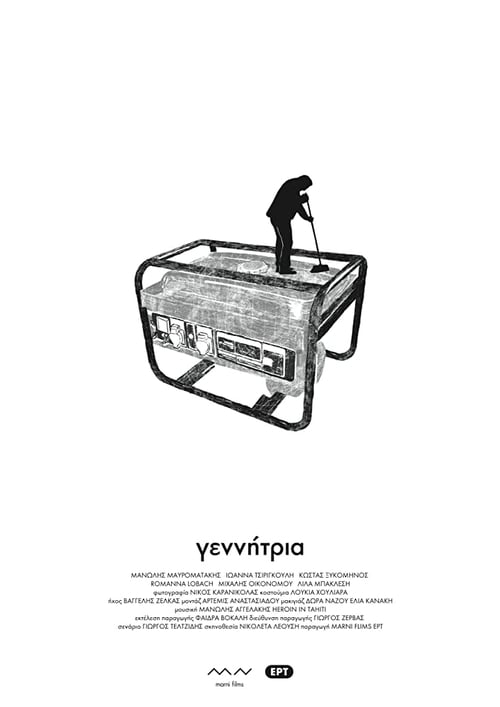
The generator serves as a crucial plot device, symbolizing both hope and despair. It represents the characters' struggle for survival in a post-apocalyptic world, where the generator is their only source of power and connection to the past. Its malfunctioning becomes a pivotal moment that heightens the tension among the characters.
What are the key moments that lead to the characters' decisions to trust each other?
Key moments that lead to trust include a life-threatening encounter with Marcus, where Alex saves Sarah, demonstrating his willingness to risk his life for her. Additionally, a shared moment of vulnerability, where Sarah reveals her fears about the future, allows Alex to open up about his own losses. These experiences forge a bond that ultimately leads them to rely on each other in their fight for survival.
Is this family friendly?
"Generator," produced in 2013, is not considered family-friendly due to its mature themes and content. The film contains several potentially objectionable or upsetting aspects, including:
-
Violence: There are scenes that depict physical confrontations and aggressive behavior, which may be distressing for younger viewers.
-
Intense Emotional Situations: Characters experience significant emotional turmoil, including fear, desperation, and conflict, which could be unsettling for sensitive audiences.
-
Dark Themes: The narrative explores themes of survival and moral ambiguity, which may be too complex or heavy for children.
-
Language: The film includes strong language that may not be appropriate for younger audiences.
-
Psychological Tension: There are moments of suspense and psychological distress that could be frightening or anxiety-inducing.
These elements contribute to a viewing experience that may not be suitable for children or those who are sensitive to such content.








