






Popular
What role does Salvador Allende play in the film?
How does the film depict the relationship between Allende and his political allies?
What is the significance of the 'maze' in the title?
How does the film portray the opposition faced by Allende's government?
What emotional struggles does Allende experience throughout the film?
Should I watch it?
Ask Your Own Question

What is the plot?
Sorry, we aren't able to watch and write up a full detailed plot yet. Check back in a few days.


What is the ending?
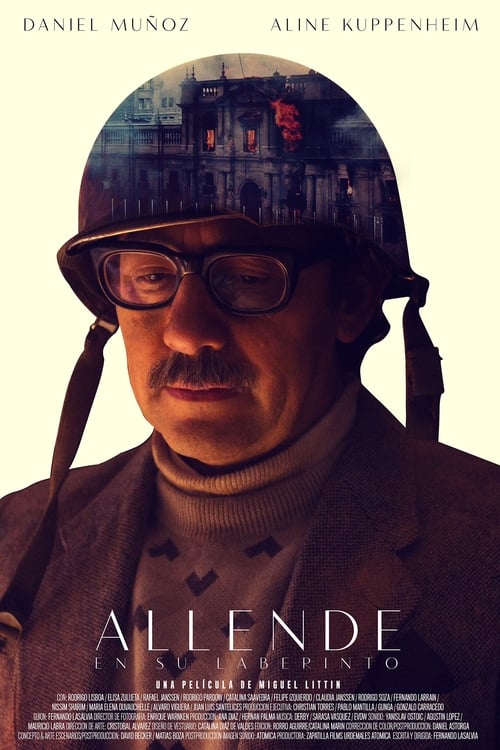
In the ending of "Allende in His Maze," Salvador Allende faces the impending coup against his government. As the military forces close in, he remains resolute in his beliefs, ultimately choosing to stay in the presidential palace. The film culminates in a tense standoff, showcasing Allende's commitment to his ideals even in the face of overwhelming odds. The final moments depict the chaos of the coup, leading to Allende's tragic fate.
As the film approaches its climax, the atmosphere in Santiago grows increasingly tense. The sun rises on September 11, 1973, casting a stark light on the city, which is filled with the sounds of distant military aircraft. Inside La Moneda, the presidential palace, Salvador Allende is seen preparing for the day, his face a mixture of determination and concern. He knows that the military is mobilizing against him, but he remains steadfast in his commitment to the people and his vision for Chile.
In the palace, Allende gathers his closest advisors, discussing the situation with urgency. The weight of leadership hangs heavily on him, and his internal struggle is palpable. He reflects on the sacrifices made for the socialist cause, feeling the burden of those who have placed their trust in him. The camera captures the tension in the room, the worried expressions of his aides contrasting with Allende's calm demeanor.
As the coup begins, the sound of gunfire erupts outside, and the palace is soon surrounded by military forces. Allende's advisors urge him to escape, but he refuses, stating that he will not abandon his post or his principles. This moment highlights his unwavering dedication to his ideals, even as the reality of the situation becomes increasingly dire.
The scene shifts to the streets of Santiago, where chaos reigns. Soldiers clash with civilians, and the city is engulfed in violence. The film captures the fear and desperation of the people, many of whom are loyal to Allende and his government. The emotional weight of the conflict is evident as families are torn apart and lives are irrevocably changed.
Back in the palace, Allende prepares for the inevitable confrontation. He delivers a poignant speech to the nation, broadcast over the radio, where he expresses his love for Chile and his commitment to the people. His voice is filled with emotion, and the weight of his words resonates deeply. He acknowledges the possibility of his death but emphasizes that the struggle for justice and equality will continue.
As the military forces breach the palace, the tension reaches its peak. Allende is seen in his office, surrounded by the remnants of his administration. The camera lingers on his face, capturing a mix of resolve and sorrow. He knows that the end is near, yet he remains defiant, embodying the spirit of resistance.
In the final moments, Allende is confronted by soldiers. He stands firm, refusing to surrender. The film does not shy away from the brutality of the moment, depicting the chaos and violence that ensues. Allende's fate is sealed as he takes his own life, a tragic culmination of his unwavering commitment to his beliefs.
The film concludes with a somber reflection on the aftermath of the coup. The screen fades to black, leaving the audience to grapple with the profound loss of a leader who stood for his ideals until the very end. The fate of Allende serves as a poignant reminder of the sacrifices made in the pursuit of justice, and the film closes with a sense of unresolved conflict, echoing the struggles that continue long after his death.
Is there a post-credit scene?
In the movie "Allende in His Maze," there is no post-credit scene. The film concludes its narrative without any additional scenes or content after the credits roll. The focus remains on the historical and emotional journey of Salvador Allende during the tumultuous period of the Chilean coup in 1973, leaving the audience with a poignant reflection on his legacy and the impact of the events depicted in the film.
What role does Salvador Allende play in the film?
Salvador Allende is portrayed as the central figure in the film, depicting his journey as the first Marxist to be elected president in a liberal democracy in Latin America. The film explores his political struggles, personal convictions, and the emotional weight of his leadership during a tumultuous period in Chile's history.
How does the film depict the relationship between Allende and his political allies?
The film illustrates the complex dynamics between Allende and his political allies, showcasing moments of camaraderie and tension. It highlights their shared vision for Chile, but also the differing strategies and ideologies that create friction, particularly as external pressures mount against their government.
What is the significance of the 'maze' in the title?
The 'maze' in the title symbolizes the intricate and often perilous political landscape that Allende navigates. It represents the challenges he faces from both internal dissent and external threats, reflecting his struggle to maintain his vision for Chile amidst growing chaos.
How does the film portray the opposition faced by Allende's government?
The film vividly depicts the opposition faced by Allende's government, including the actions of the military and the CIA's involvement in destabilizing his administration. Tension-filled scenes illustrate the mounting pressure and the sense of impending doom as Allende's ideals clash with the forces determined to overthrow him.
What emotional struggles does Allende experience throughout the film?
Throughout the film, Allende grapples with profound emotional struggles, including the weight of his responsibilities, the fear of failure, and the impact of his decisions on the Chilean people. His internal conflict is portrayed through intimate moments of reflection, showcasing his vulnerability and determination to uphold his beliefs despite the looming threats.
Is this family friendly?
"Allende in His Maze" is a historical drama that delves into the life and political struggles of Salvador Allende, the first Marxist to be elected president in a liberal democracy in Latin America. The film contains several themes and scenes that may not be suitable for children or sensitive viewers.
-
Political Violence: The film portrays the political turmoil in Chile during Allende's presidency, including scenes of protests, riots, and violent confrontations between government forces and opposition groups. These moments can be intense and distressing.
-
Emotional Turmoil: Characters experience significant emotional distress, including fear, anxiety, and despair, particularly as the political situation deteriorates. This emotional weight may be heavy for younger viewers.
-
Historical Context: The film addresses complex themes of power, betrayal, and the impact of political decisions on ordinary lives. The discussions around these topics may be difficult for children to fully grasp.
-
Death and Loss: There are references to death and the loss of loved ones due to the political climate, which can be upsetting for sensitive viewers.
-
Mature Themes: The film explores themes of ideology, sacrifice, and the moral dilemmas faced by individuals in power, which may not resonate with younger audiences.
Overall, while the film is a significant historical narrative, its content may be challenging for children and those who are sensitive to themes of violence and emotional distress.








