




















Popular
What is the significance of Ambrose's blindness in the story?
How does Ambrose's relationship with his son, Will, evolve throughout the film?
What role does the werewolf play in Ambrose's life and the community?
How does Ambrose prepare for the confrontation with the werewolf?
What is the significance of the setting in the retirement community?
Should I watch it?
Ask Your Own Question

What is the plot?
Sorry, we aren't able to watch and write up a full detailed plot yet. Check back in a few days.





What is the ending?
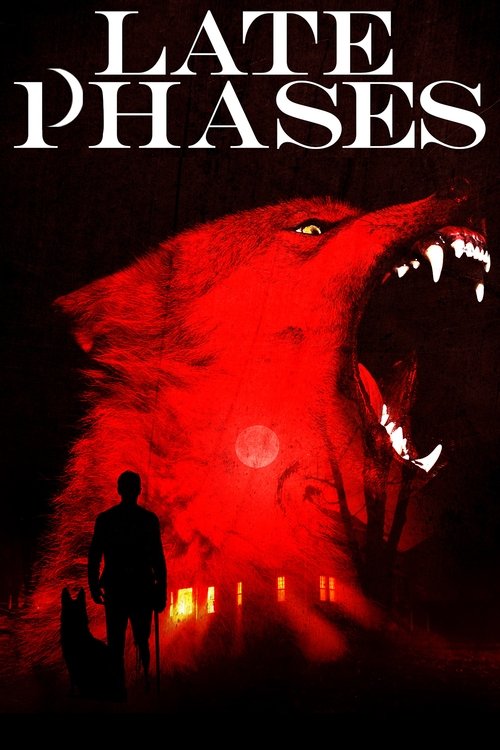
In the ending of "Late Phases," Ambrose, the blind war veteran, confronts the werewolf that has been terrorizing his retirement community. After a fierce battle, he manages to kill the creature, revealing it to be a neighbor. Ambrose is ultimately mortally wounded in the process. The film concludes with Ambrose accepting his fate, having avenged the deaths of his friends and found a sense of closure.
Now, let's delve into the ending in a more detailed narrative fashion.
As the night deepens, Ambrose, the blind veteran, prepares for the confrontation he has been anticipating. He has set up a series of traps around his home, using his keen senses and military training to anticipate the werewolf's movements. The atmosphere is thick with tension, the air heavy with the scent of impending violence. Ambrose, despite his blindness, moves with purpose, his determination evident in every step.
The scene shifts to the werewolf prowling the darkened streets of the retirement community, its growls echoing ominously. Ambrose hears the creature's approach, his heart pounding in his chest. He grips his cane tightly, a symbol of both his vulnerability and his strength. As the werewolf lunges at him, Ambrose springs into action, using the traps he has set to his advantage. The first trap ensnares the creature, but it breaks free with a ferocious roar.
In a brutal struggle, Ambrose and the werewolf engage in a fierce battle. Ambrose, fueled by a mix of fear and resolve, fights back with everything he has. He uses his cane as a weapon, striking at the beast with precision. The werewolf, however, is relentless, and Ambrose soon finds himself on the defensive. The fight is visceral, showcasing Ambrose's grit and determination to protect his community and avenge his fallen friends.
As the struggle continues, Ambrose manages to outsmart the werewolf, leading it into a final trap. With a swift and calculated move, he delivers a fatal blow, killing the creature. In the aftermath, as the werewolf lies dead, Ambrose discovers that it was his neighbor, a man he had once shared casual conversations with. This revelation hits him hard, a reminder of the thin line between humanity and monstrosity.
However, the victory comes at a cost. Ambrose, having sustained serious injuries during the fight, collapses to the ground. He feels the life ebbing from his body, a sense of acceptance washing over him. In his final moments, he reflects on his life, the friends he has lost, and the battles he has fought. There is a bittersweet sense of closure as he realizes he has protected those he cared about, even at the expense of his own life.
The film concludes with Ambrose lying on the ground, the moonlight casting a serene glow over him. His breathing slows, and he closes his eyes, a faint smile on his lips as he succumbs to his injuries. The camera pulls back, revealing the quiet retirement community, now free from the terror that had plagued it. The fate of the other residents is left ambiguous, but Ambrose's sacrifice stands as a testament to his bravery and resilience.
In summary, Ambrose's fate is one of tragic heroism; he dies a warrior's death, having faced his fears and protected his community. The werewolf, once a neighbor, is revealed to be a tragic figure as well, highlighting the complexities of human nature. The ending encapsulates themes of sacrifice, the struggle against inner and outer demons, and the quest for redemption.
Is there a post-credit scene?
In the movie "Late Phases," there is no post-credit scene. The film concludes with its final moments, focusing on the resolution of the central conflict involving the protagonist, Ambrose McKinley, and the werewolf threat in his retirement community. The story wraps up without any additional scenes or hints at future developments after the credits roll. The ending emphasizes Ambrose's character arc and the themes of aging, loss, and the fight against one's fears, leaving the audience with a sense of closure.
What is the significance of Ambrose's blindness in the story?
Ambrose, the protagonist, is a blind war veteran who navigates his world with heightened senses. His blindness serves as a metaphor for his isolation and vulnerability, but it also highlights his resilience and adaptability. Throughout the film, his other senses become crucial in detecting the dangers around him, particularly the werewolf threat in his community.
How does Ambrose's relationship with his son, Will, evolve throughout the film?
Initially, Ambrose's relationship with Will is strained, marked by tension and a lack of understanding. Will is frustrated with his father's stubbornness and independence, while Ambrose feels abandoned and misunderstood. As the story progresses, particularly after the werewolf attacks, they begin to bond over their shared experiences and the need to confront the dangers together, leading to a deeper understanding and reconciliation.
What role does the werewolf play in Ambrose's life and the community?
The werewolf serves as both a literal and metaphorical threat in the film. It represents the primal fears and dangers lurking in the seemingly peaceful retirement community. For Ambrose, the werewolf becomes a catalyst for action, forcing him to confront not only the external threat but also his own mortality and the legacy he wishes to leave behind.
How does Ambrose prepare for the confrontation with the werewolf?
Ambrose prepares for the confrontation by utilizing his military training and resourcefulness. He crafts weapons and sets traps, demonstrating his strategic thinking despite his blindness. This preparation is not just physical; it also involves a mental shift as he embraces his role as a protector, showcasing his determination to fight back against the threat that endangers his community.
What is the significance of the setting in the retirement community?
The retirement community setting is significant as it juxtaposes the tranquility of old age with the horror of the werewolf attacks. It creates a false sense of security that is shattered by the violence. The community's isolation amplifies the fear and helplessness felt by the residents, particularly Ambrose, who must navigate both the physical landscape and the emotional landscape of aging and vulnerability.
Is this family friendly?
"Late Phases," produced in 2014, is not considered family-friendly due to its mature themes and graphic content. Here are some potentially objectionable or upsetting aspects that may occur:
-
Violence and Gore: The film features scenes of intense violence, including graphic depictions of attacks and injuries, which may be disturbing to children or sensitive viewers.
-
Death and Loss: The narrative explores themes of mortality, with characters facing death and the emotional weight of loss, which can be heavy and unsettling.
-
Supernatural Elements: The presence of werewolves and the horror associated with them may be frightening for younger audiences.
-
Strong Language: The dialogue includes profanity and harsh language, which may not be suitable for children.
-
Themes of Isolation and Fear: The protagonist deals with feelings of isolation and fear, which can evoke anxiety and discomfort.
These elements contribute to the film's overall tone and may not be appropriate for younger viewers or those sensitive to such content.









