
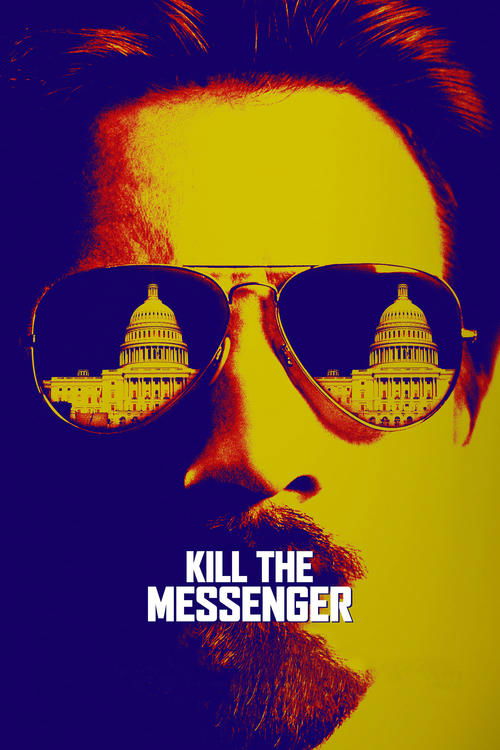































Popular
What role does Gary Webb play in the story of Kill the Messenger?
How does Gary Webb's investigation affect his personal life?
What challenges does Gary Webb face from the media and government?
What is the significance of the character of the CIA operative in the film?
How does the film depict the impact of Webb's findings on the communities affected by the drug trade?
Should I watch it?
Ask Your Own Question

What is the plot?
Sorry, we aren't able to watch and write up a full detailed plot yet. Check back in a few days.




What is the ending?
In the ending of "Kill the Messenger," journalist Gary Webb faces the fallout from his explosive reporting on the CIA's involvement in drug trafficking. After enduring personal and professional turmoil, he ultimately finds himself isolated and struggling with the consequences of his revelations. The film concludes with Webb's tragic death, which is ruled a suicide, leaving a haunting legacy about the dangers of truth-telling.
As the film approaches its climax, we see Gary Webb, portrayed by Jeremy Renner, grappling with the repercussions of his investigative work. After the publication of his series "Dark Alliance," which exposed the CIA's connections to drug trafficking in the 1980s, Webb becomes a target of intense scrutiny and backlash from both the media and government entities.
In the penultimate scenes, Webb's life begins to unravel. He is ostracized by his peers, and his family life suffers as the stress of the situation takes a toll on his marriage. His wife, Sue, played by Mary Elizabeth Winstead, expresses her concern for their children and the strain that the controversy has placed on their family. Webb's internal conflict is palpable; he is torn between his commitment to uncovering the truth and the devastating impact it has on his loved ones.
As the narrative progresses, Webb's mental state deteriorates. He is haunted by the implications of his findings and the threats he faces. In a poignant moment, he reflects on the sacrifices he has made for his work, feeling increasingly isolated and misunderstood. The weight of the truth he uncovered becomes a burden, and he struggles with feelings of despair.
In the final scenes, Webb is shown in his home, where he is alone and deeply troubled. The film portrays his last moments with a sense of somber inevitability. He is found dead in his home, and the circumstances surrounding his death are shrouded in ambiguity. The authorities rule it a suicide, but the film leaves viewers with lingering questions about the true nature of his demise.
The fate of the main characters is stark. Gary Webb, once a celebrated journalist, becomes a tragic figure, his life cut short by the very truths he sought to expose. His wife, Sue, is left to navigate the aftermath of his death, grappling with the loss and the impact of his work on their family. The film closes with a sense of unresolved tension, highlighting the dangers faced by those who dare to challenge powerful institutions and the personal costs of seeking the truth.
Is there a post-credit scene?
In the movie "Kill the Messenger," there is no post-credit scene. The film concludes with the final credits rolling after the last scene, which focuses on the aftermath of Gary Webb's investigation into the CIA's involvement in drug trafficking and the impact it had on his life and career. The film emphasizes the struggles Webb faced, both personally and professionally, as he sought to uncover the truth, leaving the audience with a sense of the ongoing implications of his work rather than a specific additional scene after the credits.
What role does Gary Webb play in the story of Kill the Messenger?
Gary Webb, portrayed by Jeremy Renner, is the central character and investigative journalist who uncovers a complex conspiracy involving the CIA, drug trafficking, and the funding of Contra rebels in Nicaragua. His relentless pursuit of the truth leads him to publish a series of articles titled 'Dark Alliance,' which detail how the CIA was complicit in the drug trade that flooded American streets with crack cocaine.
How does Gary Webb's investigation affect his personal life?
As Gary Webb delves deeper into his investigation, the repercussions begin to seep into his personal life. His marriage to his wife, Sue, portrayed by Mary Elizabeth Winstead, becomes strained as the stress of the investigation and the backlash from his findings take a toll on their relationship. The pressure leads to emotional turmoil, and ultimately, their marriage suffers as Webb becomes increasingly isolated and obsessed with the truth.
What challenges does Gary Webb face from the media and government?
After publishing his explosive articles, Gary Webb faces significant backlash from major media outlets and government officials. The Los Angeles Times and other newspapers launch a campaign to discredit him, questioning his credibility and the validity of his sources. This intense scrutiny and the threat of losing his career create a hostile environment for Webb, who feels increasingly cornered and unsupported by his peers.
What is the significance of the character of the CIA operative in the film?
The character of the CIA operative, portrayed by Tim Blake Nelson, serves as a representation of the shadowy forces at play behind the drug trafficking conspiracy. This character embodies the moral ambiguity and the lengths to which the government will go to protect its interests. His interactions with Webb highlight the dangers of uncovering such truths and the personal risks involved in challenging powerful institutions.
How does the film depict the impact of Webb's findings on the communities affected by the drug trade?
Kill the Messenger poignantly illustrates the devastating impact of the crack cocaine epidemic on African American communities in Los Angeles. Through powerful imagery and personal stories, the film shows how the influx of drugs led to violence, addiction, and the breakdown of families. Webb's investigation, while aimed at exposing the truth, also brings to light the human cost of the conspiracy, emphasizing the real lives affected by the policies and actions of the CIA.
Is this family friendly?
"Kill the Messenger" is not considered family-friendly due to several potentially objectionable elements. Here are some aspects that might be upsetting for children or sensitive viewers:
-
Violence and Threats: The film includes scenes of violence and intimidation, reflecting the dangerous situations faced by the protagonist, Gary Webb. There are moments where characters are threatened, which can be unsettling.
-
Substance Abuse: The narrative involves drug trafficking and the impact of addiction, which may be distressing for younger audiences or those sensitive to such themes.
-
Depictions of Corruption: The film explores themes of government and media corruption, which may be complex and disturbing for younger viewers to understand.
-
Emotional Turmoil: The protagonist experiences significant emotional distress, including anxiety and fear for his safety and the safety of his family, which can be heavy and intense.
-
Adult Language: There are instances of strong language throughout the film, which may not be suitable for children.
These elements contribute to a mature tone that may not be appropriate for younger audiences.








