












Popular
What role does the character of the comedian play in the film?
How does the film portray the relationships between female comedians?
What specific challenges does the main character face in her career?
How does the film depict the audience's reaction to female comedians?
What moments in the film highlight the humor and struggles of being a woman in comedy?
Should I watch it?
Ask Your Own Question

What is the plot?
Sorry, we aren't able to watch and write up a full detailed plot yet. Check back in a few days.
More Movies Like This
Browse All Movies →




What is the ending?
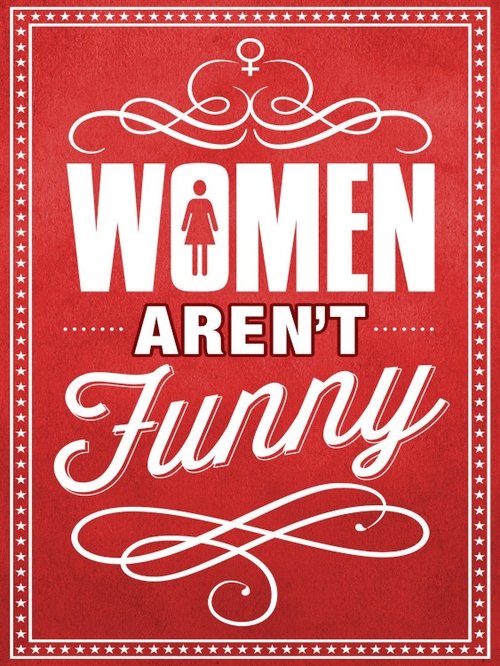
In the ending of "Women Aren't Funny," the film culminates in a series of comedic performances and discussions that highlight the struggles and triumphs of female comedians. The characters confront their insecurities and the societal perceptions of women in comedy, ultimately finding empowerment in their craft.
As the film progresses towards its conclusion, we see a series of stand-up performances from various female comedians. Each performance is interspersed with candid conversations about the challenges they face in a male-dominated industry. The atmosphere is charged with both humor and tension as the women share their experiences, revealing the personal stakes behind their comedic personas.
The final scenes focus on the main characters, who have each navigated their own journeys throughout the film. They reflect on their growth and the importance of supporting one another in their careers. The film ends on a hopeful note, emphasizing the resilience of women in comedy and their determination to carve out a space for themselves.
In a more detailed narrative:
The film's climax unfolds at a comedy showcase where several female comedians are set to perform. The stage is brightly lit, and the audience buzzes with anticipation. The first comedian takes the stage, her nerves palpable as she grips the microphone. She delivers a set that is both humorous and poignant, touching on the absurdities of being a woman in the comedy scene. The audience responds with laughter, a mix of recognition and relief that her experiences resonate with them.
As the performances continue, we see snippets of each comedian's act, showcasing their unique styles and perspectives. One comedian, who has struggled with self-doubt, finds her voice and delivers a powerful punchline that earns her a standing ovation. The camera captures her emotional release, tears of joy streaming down her face as she basks in the validation of her peers and the audience.
Interspersed with these performances are behind-the-scenes moments where the comedians share their thoughts on the industry. They discuss the stereotypes they face, the pressure to conform to certain expectations, and the camaraderie that develops among them. One character, who has been particularly vocal about her frustrations, reflects on how far she has come and the importance of solidarity among women in comedy.
As the showcase wraps up, the comedians gather backstage, their faces flushed with excitement and adrenaline. They embrace one another, celebrating their successes and the bonds they have formed. The atmosphere is one of triumph, as they acknowledge the challenges they have faced but also the victories they have achieved together.
The film concludes with a montage of the comedians continuing to perform, their confidence growing with each show. The final shot lingers on the main character, who stands in front of a mirror, practicing her lines with a newfound sense of purpose. She smiles at her reflection, embodying the strength and resilience that the film has championed throughout its narrative.
In this ending, each main character finds a sense of belonging and empowerment, illustrating the film's message about the importance of female voices in comedy and the strength that comes from community and support.
Is there a post-credit scene?
The movie "Women Aren't Funny," produced in 2014, does not have a post-credit scene. The film concludes without any additional content after the credits roll, focusing instead on the themes and discussions presented throughout the main narrative. The film primarily explores the experiences and challenges faced by female comedians in a male-dominated industry, highlighting their struggles for recognition and respect.
What role does the character of the comedian play in the film?
The character of the comedian, played by the film's director, is central to the narrative as she navigates the male-dominated world of stand-up comedy. Her journey reflects the struggles and triumphs of women in the industry, showcasing her determination to prove her worth and talent amidst skepticism and prejudice.
How does the film portray the relationships between female comedians?
The film explores the dynamics between female comedians, highlighting both camaraderie and competition. It delves into their personal stories, showcasing how they support each other while also grappling with insecurities and the pressure to conform to societal expectations.
What specific challenges does the main character face in her career?
The main character faces numerous challenges, including being underestimated by male peers, dealing with harsh criticism, and confronting the pervasive stereotypes about women in comedy. These obstacles fuel her drive to succeed and highlight her resilience.
How does the film depict the audience's reaction to female comedians?
The film illustrates a mixed reaction from audiences towards female comedians, with some showing appreciation for their unique perspectives while others remain skeptical or dismissive. This reflects the broader societal attitudes towards women in comedy and the struggle for acceptance.
What moments in the film highlight the humor and struggles of being a woman in comedy?
Key moments in the film include stand-up performances where the main character uses personal anecdotes to address her experiences as a woman in comedy, blending humor with poignant reflections on sexism and the challenges she faces, creating a balance between laughter and serious commentary.
Is this family friendly?
"Woman Aren't Funny," produced in 2014, is a documentary that explores the world of female comedians and the challenges they face in a male-dominated industry. While the film provides insightful commentary and showcases various comedic talents, it does contain elements that may not be suitable for children or sensitive viewers.
-
Strong Language: The film features frequent use of profanity, which may be inappropriate for younger audiences.
-
Adult Themes: Discussions around gender, sexuality, and the struggles of women in comedy may include mature content that could be upsetting or confusing for children.
-
Sexual References: Some comedians may use sexual humor or references that could be considered explicit or inappropriate for younger viewers.
-
Emotional Struggles: The film touches on personal and emotional challenges faced by the comedians, including issues of self-esteem, rejection, and societal expectations, which may be heavy for sensitive viewers.
-
Controversial Humor: The nature of stand-up comedy often involves pushing boundaries, and some jokes may be provocative or offensive to certain audiences.
Overall, while the film aims to empower and highlight the voices of women in comedy, its content may not be family-friendly due to the reasons listed above.









