
















Popular
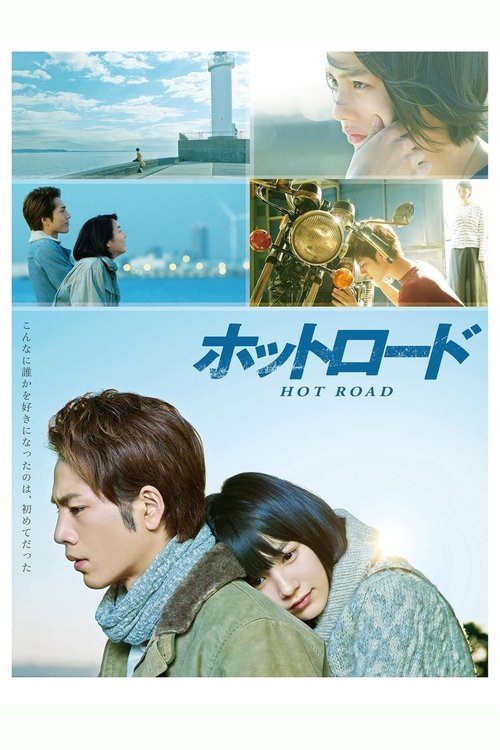
What is the significance of the motorcycle in Hot Road?
How does Haruka's relationship with her mother influence her actions in the film?
What role does the character of the older boy play in Haruka's development?
How does the setting of the summer influence the events of the story?
What internal conflicts does Haruka face throughout the film?
Should I watch it?
Ask Your Own Question

What is the plot?
Sorry, we aren't able to watch and write up a full detailed plot yet. Check back in a few days.




What is the ending?
In the ending of "Hot Road," the protagonist, a teenage girl named Haruka, faces the reality of her relationship with a young man named Kira. After a series of emotional highs and lows, Haruka ultimately decides to part ways with Kira, realizing that their love cannot withstand the pressures of their respective lives. The film concludes with Haruka reflecting on her experiences, hinting at her growth and the bittersweet nature of young love.
As the film approaches its conclusion, we find Haruka in a state of emotional turmoil. The sun is setting, casting a warm glow over the landscape, symbolizing the fleeting nature of her youth. She and Kira have shared many passionate moments, but the weight of their circumstances begins to take its toll.
Scene by scene, the narrative unfolds:
Haruka is seen sitting on the edge of a cliff, overlooking the ocean. The waves crash against the rocks below, mirroring the turbulence in her heart. She recalls the moments spent with Kira, the thrill of their first encounters, and the sense of freedom he brought into her life. However, as she gazes into the distance, a sense of melancholy washes over her. She understands that their relationship, while intense, is also fraught with challenges.
In the next scene, Kira arrives, his motorcycle roaring to a stop beside her. He looks at her with a mix of longing and frustration. They engage in a conversation filled with unspoken words, both aware that their time together is limited. Kira expresses his desire to escape their small town and the expectations that come with it, but Haruka feels the pull of her own responsibilities and the reality of her family situation.
As they talk, the tension builds. Haruka's internal conflict is palpable; she loves Kira but knows that their paths may not align. The camera captures the subtle shifts in their expressions, the way Kira's eyes search hers for reassurance, while Haruka's gaze drifts away, lost in thought.
The pivotal moment comes when Haruka, with tears in her eyes, tells Kira that they need to go their separate ways. Kira's face falls, and the pain of her words is evident. He tries to convince her that they can make it work, but Haruka stands firm, her voice trembling but resolute. She explains that they are both at different crossroads in their lives, and clinging to their relationship may only lead to more heartache.
In the final scene, Haruka walks away from Kira, her silhouette framed against the setting sun. The emotional weight of the moment hangs in the air as she takes each step, symbolizing her journey toward self-discovery. Kira watches her go, a mixture of sadness and understanding etched on his face.
The film closes with Haruka reflecting on her experiences, the bittersweet memories of young love lingering in her mind. She understands that while their love was real, it was also a part of her growth. The screen fades to black, leaving the audience with a sense of nostalgia for the innocence of youth and the inevitability of change.
In summary, Haruka chooses to embrace her own path, while Kira is left to grapple with the loss of their relationship. Their fates diverge, highlighting the complexities of young love and the difficult choices that come with growing up.
Is there a post-credit scene?
The movie "Hot Road," produced in 2014, does not have a post-credit scene. The film concludes its narrative without any additional scenes or content after the credits roll. The story wraps up with the emotional arcs of the characters, particularly focusing on the relationship between the protagonist, a teenage girl named Haruka, and a young man named Kenta, leaving the audience with a sense of closure regarding their journey. The absence of a post-credit scene emphasizes the film's focus on the themes of youth, love, and the bittersweet nature of growing up.
What is the significance of the motorcycle in Hot Road?
The motorcycle in Hot Road symbolizes freedom and rebellion for the characters, particularly for the protagonist, a teenage girl named Haruka. It represents her desire to escape the constraints of her life and explore her identity. The motorcycle also serves as a connection between Haruka and the older boy, a member of a motorcycle gang, who becomes a pivotal figure in her journey.
How does Haruka's relationship with her mother influence her actions in the film?
Haruka's relationship with her mother is strained and filled with misunderstandings. Her mother's strictness and lack of emotional support push Haruka to seek solace and validation outside the home. This dynamic drives Haruka to rebel, leading her to the motorcycle gang and the older boy, as she searches for love and acceptance that she feels is missing in her family life.
What role does the character of the older boy play in Haruka's development?
The older boy, who is part of the motorcycle gang, plays a crucial role in Haruka's emotional and personal development. He introduces her to a world of excitement and danger, challenging her to confront her feelings and desires. Through their relationship, Haruka experiences love, heartbreak, and the complexities of growing up, which ultimately shape her understanding of herself and her future.
How does the setting of the summer influence the events of the story?
The summer setting in Hot Road serves as a backdrop for the characters' exploration of freedom and self-discovery. The warm, carefree days allow Haruka to break away from her mundane life and engage in adventures with the motorcycle gang. The season amplifies the emotions of youth, love, and rebellion, making the fleeting moments of joy and pain more poignant as Haruka navigates her tumultuous journey.
What internal conflicts does Haruka face throughout the film?
Haruka grapples with several internal conflicts, including her struggle for independence versus her longing for connection. She feels trapped by her home life and her mother's expectations, leading to feelings of isolation. As she becomes involved with the motorcycle gang and the older boy, she faces the challenge of balancing her desire for freedom with the risks that come with it, ultimately questioning her identity and what she truly wants from life.
Is this family friendly?
"Hot Road," produced in 2014, is a coming-of-age drama that explores themes of adolescence, love, and rebellion. While it captures the emotional intensity of youth, it contains several elements that may not be suitable for children or sensitive viewers.
-
Teenage Relationships: The film portrays complex romantic relationships that include emotional turmoil, which may be difficult for younger audiences to understand.
-
Rebellion and Delinquency: Characters engage in rebellious behavior, including reckless driving and defiance against authority, which could be concerning for parents.
-
Substance Use: There are scenes that depict smoking and drinking, reflecting the characters' struggles and lifestyle choices.
-
Emotional Distress: The film delves into themes of loneliness, heartbreak, and the search for identity, which may evoke strong emotions and could be upsetting for sensitive viewers.
-
Family Issues: The protagonist experiences familial conflict and neglect, which may resonate with viewers who have faced similar issues.
Overall, while "Hot Road" offers a poignant look at youth, its themes and content may not be appropriate for all audiences, particularly younger children.






