


Popular
What comedic elements are used in the chariot race scene?
How does the character of Judah Ben Hur differ from the original film?
What role does the character of Messala play in the parody?
How is the theme of friendship portrayed in the parody?
What is the significance of the comedic side characters in the story?
Should I watch it?
Ask Your Own Question

What is the plot?
Sorry, we aren't able to watch and write up a full detailed plot yet. Check back in a few days.
What is the ending?
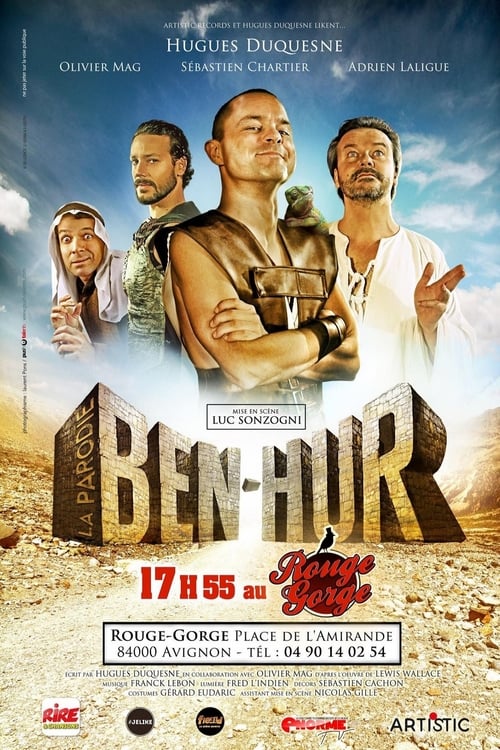
In the ending of "Ben Hur, la parodie," the film concludes with a humorous twist on the classic tale. The main character, Ben Hur, ultimately finds himself in a series of comedic situations that parody the original story's dramatic moments. The film wraps up with a light-hearted resolution, showcasing the absurdity of the events that have transpired.
As the final scenes unfold, we see Ben Hur, having navigated through a series of misadventures, finally confront his rival, Messala, in a climactic showdown. However, instead of the intense rivalry seen in the original, their confrontation is filled with slapstick humor and exaggerated antics. The chariot race, a pivotal moment in the original story, is transformed into a chaotic and comedic spectacle, with unexpected interruptions and ridiculous mishaps that leave the audience laughing.
In the end, Ben Hur and Messala come to a humorous understanding, realizing the futility of their rivalry. The film concludes with a celebratory scene, where characters come together in a light-hearted manner, emphasizing friendship and laughter over conflict.
Now, let's delve into the ending in a more detailed, chronological narrative.
As the film approaches its climax, the atmosphere is charged with anticipation. Ben Hur, portrayed with a comedic flair, prepares for the infamous chariot race. The scene is set in a grand arena, filled with a raucous crowd, but instead of the tension of the original, the audience is treated to a series of comedic blunders. Ben Hur, clad in a costume that is both heroic and absurd, takes his place among the other charioteers, including his rival, Messala.
The race begins with a loud horn, and the chariots burst forward. However, instead of fierce competition, the race quickly devolves into chaos. Chariots collide in exaggerated fashion, with drivers comically flailing about. Ben Hur finds himself in a series of slapstick moments, such as accidentally launching himself out of his chariot and landing in a pile of hay, much to the amusement of the crowd. Messala, determined to win, faces his own series of mishaps, including a runaway horse that leads him on a wild chase around the arena.
As the race continues, the absurdity escalates. Ben Hur, in a moment of sheer luck, manages to regain control of his chariot, but not without a series of comedic near-misses. The crowd roars with laughter as the competitors engage in ridiculous antics, such as throwing pies at each other and getting tangled in their own reins. The once-serious race becomes a spectacle of humor, showcasing the film's parody of the original's dramatic tension.
Eventually, the race concludes not with a clear winner but with all the charioteers ending up in a heap, laughing and covered in mud. Ben Hur and Messala, both exhausted and disheveled, share a moment of camaraderie, realizing that their rivalry has been overshadowed by the absurdity of the situation. They exchange playful banter, and the tension that once defined their relationship dissipates into laughter.
The film wraps up with a celebratory scene, where all the characters come together in a festive gathering. The arena transforms into a party atmosphere, with music, dancing, and food. Ben Hur, Messala, and the other characters join in the festivities, emphasizing the film's message of friendship and the joy of shared experiences over conflict. The final shot captures the characters laughing together, a stark contrast to the original story's themes of vengeance and betrayal.
In this light-hearted conclusion, Ben Hur finds not only a resolution to his rivalry but also a sense of community and joy, leaving the audience with a smile and a reminder of the power of humor in overcoming adversity.
Is there a post-credit scene?
In "Ben Hur, la parodie," there is indeed a post-credit scene that adds a humorous twist to the film's overall comedic tone. After the credits roll, the scene opens with a dimly lit room where a group of characters from the film are gathered around a table, seemingly engaged in a serious discussion about their next big adventure.
As the camera zooms in, it becomes clear that they are debating the merits of various historical figures and events, each character passionately advocating for their favorite. The atmosphere is light-hearted, filled with playful banter and exaggerated gestures. Suddenly, one character suggests they should take on a modern-day challenge, like a reality TV show, which prompts laughter and eye-rolling among the others.
The scene culminates in a comedic cliffhanger when one character dramatically declares they will "race to the finish line" of a local marathon, only to trip over a chair and fall to the ground, leaving the others in fits of laughter. This playful moment encapsulates the film's spirit, blending historical parody with contemporary humor, and leaves the audience with a smile as the screen fades to black.
What comedic elements are used in the chariot race scene?
In 'Ben Hur, la parodie', the chariot race scene is filled with slapstick humor and absurdity. The characters, exaggerated versions of their dramatic counterparts, engage in over-the-top antics. For instance, instead of fierce competition, the racers might be seen throwing pies at each other or getting distracted by ridiculous obstacles like a giant rubber duck in the track. The visual gags and physical comedy create a stark contrast to the original film's intense atmosphere.
How does the character of Judah Ben Hur differ from the original film?
In this parody, Judah Ben Hur is portrayed as a bumbling, overly dramatic figure who often breaks the fourth wall. His internal monologues are filled with self-deprecating humor, and he frequently questions the absurdity of his situation. This version of Judah is less focused on revenge and more on comedic misadventures, often finding himself in ridiculous predicaments that highlight his ineptitude.
What role does the character of Messala play in the parody?
Messala, in 'Ben Hur, la parodie', is depicted as a flamboyant and overly theatrical antagonist. His rivalry with Judah is played for laughs, with exaggerated facial expressions and melodramatic speeches. Instead of a serious vendetta, their conflict often devolves into silly misunderstandings and comedic duels, showcasing Messala's penchant for the dramatic and his tendency to take everything too seriously.
How is the theme of friendship portrayed in the parody?
Friendship in 'Ben Hur, la parodie' is depicted through humorous interactions between Judah and his friends. Their camaraderie is filled with playful banter and ridiculous challenges, such as competing in absurd contests to prove their loyalty. The emotional moments are undercut by comedic timing, making the friendships feel light-hearted and fun rather than deeply serious, emphasizing the parody's overall tone.
What is the significance of the comedic side characters in the story?
The side characters in 'Ben Hur, la parodie' serve as comedic relief and often steal the spotlight with their quirky personalities. Characters like the bumbling charioteer or the overly dramatic merchant add layers of humor to the plot. Their interactions with Judah and Messala often lead to unexpected twists and hilarious situations, reinforcing the parody's light-hearted approach while providing commentary on the original film's more serious characters.
Is this family friendly?
"Ben Hur, la parodie" is a comedic take on the classic story, and while it aims for humor, it does contain some elements that may not be suitable for all audiences, particularly children or sensitive viewers. Here are some potentially objectionable or upsetting aspects:
-
Satirical Violence: The film parodies the famous chariot race and other action scenes, which may include exaggerated violence for comedic effect. While not graphic, the portrayal of conflict may be unsettling for some.
-
Mature Themes: The film touches on themes of betrayal, revenge, and redemption, which may be complex for younger viewers to fully understand.
-
Innuendos and Adult Humor: As a parody, it includes jokes and references that may be more appropriate for an older audience, potentially including sexual innuendos or adult situations.
-
Mockery of Serious Subjects: The film's comedic approach to serious themes from the original story may not resonate well with all viewers, particularly those who prefer a more respectful treatment of such topics.
-
Silly and Absurd Situations: Some scenes may involve absurdity or slapstick humor that could be confusing or off-putting to younger children.
Overall, while "Ben Hur, la parodie" is intended to be humorous, parents may want to preview the film to determine its appropriateness for their children.









