











Popular
What is the significance of the secret that the protagonist must keep?
How does Zola's relationship with her father influence her choices?
What role does the love interest play in Zola's journey?
How does the film portray the theme of secrecy and its consequences?
What are the key moments that lead to Zola's character development?
Should I watch it?
Ask Your Own Question

What is the plot?
Sorry, we aren't able to watch and write up a full detailed plot yet. Check back in a few days.




What is the ending?
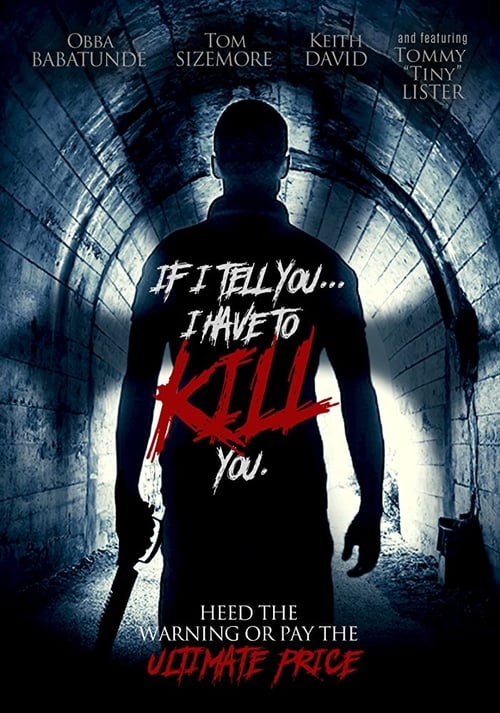
In the ending of "If I Tell You I Have to Kill You," the protagonist, a young girl named Cami, faces a critical moment of truth regarding her secret life as a CIA operative. As tensions rise, she must confront the consequences of her choices and the impact they have on her relationships, particularly with her love interest, who is unaware of her true identity. The film concludes with Cami making a significant decision about her future, ultimately leading to a resolution that emphasizes the weight of secrets and the importance of trust.
As the final act unfolds, the scene opens with Cami in a dimly lit room, her heart racing as she grapples with the reality of her double life. The air is thick with tension, and the stakes have never been higher. She is torn between her duty as a CIA operative and her feelings for her boyfriend, who has been drawn into her world without understanding the full extent of her secrets.
In a pivotal moment, Cami receives a call from her superior, who informs her of a looming threat that could endanger not only her life but also the lives of those she cares about. The urgency in her superior's voice is palpable, and Cami feels the weight of responsibility pressing down on her. She knows she must act quickly, but the thought of putting her loved ones in danger fills her with dread.
As she prepares for the mission, Cami's internal conflict intensifies. She reflects on her relationship with her boyfriend, recalling moments of joy and laughter that now feel bittersweet. The camera captures her expressions of fear and determination, showcasing her struggle to balance her personal life with her professional obligations.
The scene shifts to her boyfriend, who is seen waiting for Cami, oblivious to the turmoil she is facing. His innocence contrasts sharply with the dark world Cami is about to re-enter. As she steels herself for the mission, she makes a heart-wrenching decision to keep her true identity hidden from him, believing it is for the best.
The climax of the film occurs during a high-stakes confrontation with the antagonist, where Cami's skills as an operative are put to the test. The action is intense, with quick cuts between Cami's strategic maneuvers and the chaos surrounding her. Each moment is fraught with danger, and the audience can feel her adrenaline pumping as she fights to protect herself and her loved ones.
In the final moments of the confrontation, Cami successfully neutralizes the threat, but not without cost. The aftermath leaves her shaken, and as she returns home, she is met with her boyfriend's worried expression. The emotional weight of her secret looms large, and she realizes that her choices have irrevocably changed the course of their relationship.
The film concludes with Cami standing at a crossroads, contemplating her future. She understands that the life she has chosen comes with sacrifices, and she must decide whether to continue living in the shadows or to embrace the truth. The final shot lingers on her face, a mixture of resolve and uncertainty, as she takes a deep breath, symbolizing her acceptance of the complexities of her life.
In the end, Cami's fate is left somewhat ambiguous, reflecting the ongoing struggle between her dual identities. Her boyfriend, still unaware of the full truth, represents the life she yearns for but cannot fully attain. The film closes on a note of introspection, leaving the audience to ponder the implications of secrets and the choices we make in the name of love and duty.
Is there a post-credit scene?
In the movie "If I Tell You I Have to Kill You," there is no post-credit scene. The film concludes its narrative without any additional scenes or content after the credits roll. The story wraps up with the main characters facing the consequences of their actions, leaving the audience with a sense of closure regarding the plot and character arcs.
What is the significance of the secret that the protagonist must keep?
The secret that the protagonist, a CIA operative's daughter named Zola, must keep is central to the plot. It represents the burden of her father's profession and the danger that comes with it. Zola's internal conflict revolves around her desire for a normal life versus the reality of her father's secretive and perilous job. This tension drives her actions and decisions throughout the film.
How does Zola's relationship with her father influence her choices?
Zola's relationship with her father, who is deeply involved in the CIA, is complex and fraught with tension. She feels both pride and resentment towards him, as his secretive nature keeps her at a distance. This dynamic influences her choices, particularly when she grapples with the implications of revealing her father's secrets to her love interest, which could endanger them both.
What role does the love interest play in Zola's journey?
Zola's love interest, who becomes a pivotal character in the story, represents both a source of support and a potential threat. As their relationship develops, Zola is torn between her feelings for him and the need to protect him from the dangers associated with her father's world. His presence challenges her to confront her father's secrets and ultimately shapes her understanding of trust and loyalty.
How does the film portray the theme of secrecy and its consequences?
The film intricately weaves the theme of secrecy throughout its narrative, particularly through Zola's experiences. The consequences of keeping secrets are vividly illustrated as Zola navigates her dual life--balancing her father's expectations and her own desires. The tension escalates as the stakes rise, leading to moments of intense emotional conflict that highlight the personal cost of secrecy.
What are the key moments that lead to Zola's character development?
Zola's character development is marked by several key moments, including her initial naivety about her father's work, her discovery of the dangers it poses, and her ultimate decision to confront these realities. Significant scenes include her interactions with her father that reveal his protective instincts, her growing relationship with her love interest that forces her to reevaluate her priorities, and the climactic moments where she must choose between loyalty to her family and her own happiness.
Is this family friendly?
"If I Tell You I Have to Kill You," produced in 2015, is a film that contains several elements that may not be suitable for children or sensitive viewers. Here are some potentially objectionable or upsetting aspects:
-
Violence and Threats: The film includes scenes that depict violence or the threat of violence, which may be unsettling for younger audiences.
-
Mature Themes: The storyline revolves around espionage and the moral dilemmas associated with secrecy and betrayal, which may be complex and difficult for children to understand.
-
Emotional Turmoil: Characters experience intense emotional conflicts, including fear, anxiety, and betrayal, which could be distressing for sensitive viewers.
-
Romantic Elements: There are romantic subplots that may include themes of attraction and relationship dynamics that might not be appropriate for younger viewers.
-
Language: The film may contain language that some parents might find inappropriate for children.
These elements contribute to a narrative that is more suited for a mature audience, as it explores darker themes and complex character motivations.







