
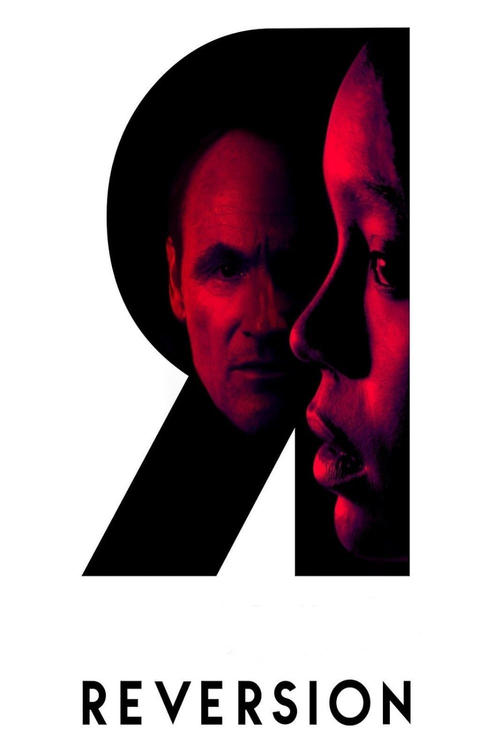













Popular
What is the significance of the character of the father in Reversion?
How does Zoe's relationship with her father evolve throughout the film?
What role does the mysterious figure play in Zoe's life?
What is the significance of the technology used in the film?
How does the film explore the theme of memory through Zoe's character?
Should I watch it?
Ask Your Own Question

What is the plot?
Sorry, we aren't able to watch and write up a full detailed plot yet. Check back in a few days.
More Movies Like This
Browse All Movies →







What is the ending?
In the ending of "Reversion," the protagonist, a young woman named Zoe, confronts the truth about her reality and the nature of her existence. After a series of harrowing events, she ultimately decides to embrace her fate, leading to a poignant conclusion that leaves her future uncertain but filled with a sense of agency.
As the film reaches its climax, Zoe finds herself in a tense confrontation with her father, who has been manipulating her life through a virtual reality system. The emotional weight of their relationship comes to a head as Zoe grapples with the revelation that her memories and experiences may not be entirely her own. In a moment of defiance, she chooses to reject the control her father has exerted over her, symbolizing her desire for autonomy.
The film concludes with Zoe stepping into the unknown, leaving behind the confines of her father's influence. The final scenes are ambiguous, suggesting both hope and uncertainty as she faces the world outside.
As the final act of "Reversion" unfolds, the atmosphere is thick with tension. Zoe, portrayed with a mix of vulnerability and determination, stands in a dimly lit room, the walls echoing with the remnants of her father's voice. The flickering screens around her display fragmented images of her past, memories that have been manipulated and curated by her father, a man who has always sought to control her life through technology.
Scene by scene, the narrative builds to a confrontation that has been brewing throughout the film. Zoe's father, a figure of authority and manipulation, enters the room, his demeanor a blend of desperation and anger. He attempts to justify his actions, claiming that he has always acted in her best interest, but Zoe's eyes reflect a deep-seated betrayal. The emotional stakes are palpable as she realizes that her entire existence has been a carefully crafted illusion, a virtual reality designed to keep her compliant and safe.
In a moment of clarity, Zoe confronts her father, her voice steady despite the turmoil within. She challenges him, demanding to know why he felt the need to control her life so completely. The dialogue is charged, revealing the complexities of their relationship. Zoe's father, caught between his love for her and his need for control, struggles to articulate his motivations. The tension escalates as Zoe's resolve strengthens; she refuses to be a pawn in his game any longer.
As the confrontation reaches its peak, Zoe makes a pivotal choice. She steps away from the screens that have dictated her reality, symbolizing her rejection of her father's control. The room around her begins to dissolve, the virtual reality crumbling as she embraces the uncertainty of the real world. This moment is visually striking, with the digital landscape fading into darkness, leaving only Zoe standing in the void, illuminated by a single beam of light.
The film's final scenes depict Zoe stepping out into the unknown, her expression a mixture of fear and determination. The world outside is vast and uncharted, a stark contrast to the confined existence she has known. As she walks away from the remnants of her father's influence, the camera lingers on her face, capturing the complexity of her emotions--relief, anxiety, and a newfound sense of freedom.
In the closing moments, the fate of Zoe's father remains ambiguous. He is left behind in the collapsing virtual reality, a figure of loss and regret, unable to follow her into the real world. The film leaves viewers with a haunting sense of what it means to break free from the chains of manipulation, highlighting the struggle for identity and autonomy in a world where technology can blur the lines of reality.
Ultimately, "Reversion" concludes with Zoe's journey toward self-discovery, her fate uncertain but filled with the promise of agency. The film closes on a note of hope, suggesting that while the path ahead may be fraught with challenges, it is one that she will navigate on her own terms.
Is there a post-credit scene?
In the movie "Reversion," there is no post-credit scene. The film concludes without any additional scenes or content after the credits roll. The story wraps up with the main narrative, focusing on the themes of reality, perception, and the consequences of technology, leaving the audience to reflect on the events that have transpired without any further revelations or twists.
What is the significance of the character of the father in Reversion?
In 'Reversion', the father plays a crucial role as both a protector and a source of conflict for the protagonist, a young woman named Zoe. His overbearing nature stems from a traumatic past, which he believes justifies his actions to keep Zoe safe from the dangers of the world, particularly the threat of a mysterious figure who seems to be stalking her. This dynamic creates tension as Zoe struggles between her desire for independence and her father's controlling instincts.
How does Zoe's relationship with her father evolve throughout the film?
Zoe's relationship with her father is initially characterized by tension and mistrust. As the story unfolds, Zoe begins to uncover the truth about her father's past and the reasons behind his protective behavior. This journey leads her to confront her father, resulting in a climactic moment where she must choose between her loyalty to him and her need to forge her own identity. The evolution of their relationship is marked by moments of vulnerability and revelation, ultimately leading to a deeper understanding between them.
What role does the mysterious figure play in Zoe's life?
The mysterious figure in 'Reversion' serves as a catalyst for Zoe's transformation. Initially, he appears as a threat, embodying the fears that her father has instilled in her. However, as Zoe delves deeper into her own psyche and the nature of her reality, the figure becomes a symbol of her repressed memories and unresolved issues. His presence forces Zoe to confront her past and the truth about her father's actions, leading to a pivotal moment of self-discovery.
What is the significance of the technology used in the film?
The technology in 'Reversion' is central to the plot, as it represents both a means of escape and a tool for manipulation. Zoe's experiences with virtual reality and the implications of her father's inventions highlight themes of control and the nature of reality. The technology serves as a double-edged sword, allowing Zoe to explore her fears while also trapping her in a cycle of confusion and dependency on her father's guidance.
How does the film explore the theme of memory through Zoe's character?
Memory is a key theme in 'Reversion', particularly through Zoe's character. As she navigates her fragmented recollections, the audience witnesses her struggle to piece together her identity and understand her past. The film uses visual cues and disorienting sequences to illustrate her internal conflict, emphasizing how memories can be both a source of strength and a burden. Zoe's journey to reclaim her memories ultimately leads her to confront the truth about her father's influence and her own agency.
Is this family friendly?
"Reversion," produced in 2015, is a science fiction thriller that explores themes of technology, identity, and the nature of reality. While it presents an intriguing narrative, it may not be considered family-friendly due to several potentially objectionable or upsetting elements.
-
Violence and Threats: The film contains scenes that depict violence and threats, which may be unsettling for younger viewers or sensitive individuals.
-
Psychological Tension: The storyline involves intense psychological elements, including themes of paranoia and fear, which could be distressing.
-
Mature Themes: The film delves into complex themes such as control, manipulation, and the implications of advanced technology on personal freedom, which may be difficult for children to understand.
-
Emotional Distress: Characters experience significant emotional turmoil, including fear and confusion, which could be upsetting for sensitive viewers.
-
Dark Atmosphere: The overall tone of the film is dark and suspenseful, which may not be suitable for a younger audience.
These aspects contribute to a viewing experience that may be more appropriate for older teens and adults rather than children.








