

















Popular
What role does the setting play in the development of the plot?
What is the significance of the wedding in the film Demon?
Who is Piotr, and what is his role in the story?
What does the character of the bride, Zosia, represent in the film?
How does the film depict the relationship between Piotr and his family?
Should I watch it?
Ask Your Own Question

What is the plot?
Sorry, we aren't able to watch and write up a full detailed plot yet. Check back in a few days.

What is the ending?
In the ending of the movie "Demon," the protagonist, Piotr, becomes fully possessed by the spirit of a deceased bride, leading to a chaotic and tragic conclusion. The wedding celebration spirals into madness as Piotr's transformation affects everyone around him, culminating in a haunting and unresolved finale.
As the film approaches its climax, the atmosphere is thick with tension. The wedding festivities are in full swing, with guests dancing and celebrating, but an undercurrent of dread permeates the air. Piotr, who has been increasingly troubled by visions and the presence of the spirit, is now at the center of the chaos.
Scene by scene, the narrative unfolds:
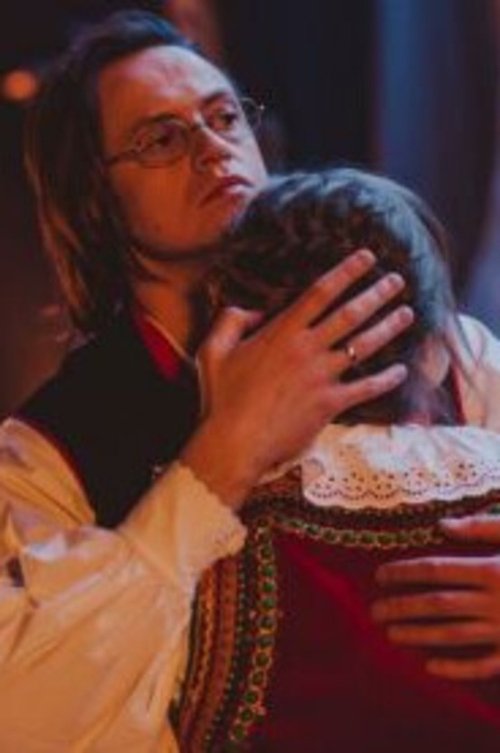
The camera captures the vibrant wedding party, filled with laughter and music. Piotr, however, is visibly distressed, his face a mask of confusion and fear. He struggles to maintain his composure, but the spirit of the bride, who is revealed to be a tragic figure from the past, begins to take hold of him. The guests, oblivious to the supernatural turmoil, continue to celebrate, their joy contrasting sharply with Piotr's internal struggle.
As the night progresses, Piotr's behavior becomes increasingly erratic. He starts to speak in a voice that is not his own, echoing the words of the bride. The guests begin to notice something is amiss, their laughter fading into whispers of concern. Piotr's fiancée, Zaneta, is particularly affected, her initial excitement turning to fear as she witnesses the transformation of the man she loves.
In a pivotal moment, Piotr is drawn to the graveyard where the bride is buried. The scene shifts to a dark, eerie atmosphere, illuminated only by the moonlight. Here, Piotr confronts the spirit, and the audience sees flashes of the bride's tragic past--her untimely death and the sorrow that has lingered. This confrontation is visceral, filled with emotional weight as Piotr becomes a vessel for the bride's pain and longing.
Back at the wedding venue, chaos erupts as Piotr's possession becomes evident. Guests panic, and the celebration devolves into a nightmare. Zaneta, desperate to save Piotr, tries to reach him, but he is lost to the spirit's influence. The emotional turmoil is palpable as she grapples with the loss of the man she knew, now replaced by a tormented soul.
In the final moments, Piotr's transformation is complete. He is no longer the man who entered the wedding; he is a conduit for the bride's unresolved grief. The film closes with a haunting image of Piotr, now fully possessed, standing amidst the chaos of the wedding, surrounded by terrified guests. Zaneta's cries for him go unanswered, and the screen fades to black, leaving the audience with a sense of unresolved tragedy.
The fate of the main characters is sealed in this haunting conclusion. Piotr is lost to the spirit, forever changed and trapped in a cycle of sorrow. Zaneta is left heartbroken, grappling with the loss of her fiancé and the haunting memories of what should have been a joyous occasion. The other guests are left in shock, their lives forever altered by the events of that fateful night, as the echoes of the past continue to resonate in the present. The film ends on a note of ambiguity, emphasizing the themes of loss, possession, and the inescapable weight of history.
Is there a post-credit scene?
The movie "Demon," produced in 2015, does not have a post-credit scene. The film concludes its narrative without any additional scenes or content after the credits roll. The story wraps up with a haunting and unsettling atmosphere, leaving viewers with a sense of lingering dread and contemplation about the events that have unfolded. The focus remains on the themes of possession, cultural heritage, and the impact of the past on the present, rather than extending the narrative further in a post-credit sequence.
What role does the setting play in the development of the plot?
The setting, primarily the rural Polish village and the wedding venue, creates an intimate yet claustrophobic atmosphere that heightens the tension. The contrast between the celebratory nature of the wedding and the dark, supernatural elements that emerge underscores the film's themes of tradition versus the unknown.
What is the significance of the wedding in the film Demon?
The wedding serves as a central event that triggers the unfolding of supernatural occurrences. It symbolizes the merging of two families and the expectations that come with it, while also acting as a catalyst for the protagonist's internal struggles and the emergence of the demonic presence.
Who is Piotr, and what is his role in the story?
Piotr is the main character, a groom who, during his wedding, becomes possessed by a demon. His internal conflict and emotional turmoil are central to the plot, as he grapples with his identity, the expectations of his new family, and the haunting presence that disrupts the celebration.
What does the character of the bride, Zosia, represent in the film?
Zosia represents innocence and the traditional expectations of marriage. As Piotr's bride, her emotional state fluctuates between joy and confusion as the events of the wedding spiral out of control, highlighting the tension between personal desires and societal pressures.
How does the film depict the relationship between Piotr and his family?
Piotr's relationship with his family is strained and complex. His family's expectations weigh heavily on him, and their reactions to his possession reveal deep-seated fears and unresolved issues, showcasing the generational conflicts and the burden of familial legacy.
Is this family friendly?
"Demon," produced in 2015, is not considered family-friendly and contains several elements that may be objectionable or upsetting for children or sensitive viewers.
-
Supernatural Themes: The film revolves around possession and demonic influences, which may be frightening for younger audiences.
-
Violence and Disturbing Imagery: There are scenes that depict violence and unsettling imagery that can be disturbing.
-
Psychological Tension: The film explores themes of madness and existential dread, which may be intense and unsettling for sensitive viewers.
-
Death and Grief: The narrative includes themes of death and the emotional turmoil associated with loss, which can be heavy and distressing.
-
Cultural and Religious Elements: The film incorporates elements of folklore and religious symbolism that may be confusing or alarming to some viewers.
Overall, the film's dark themes and intense emotional experiences make it more suitable for mature audiences.








