







Popular
What role does the supporting cast play in the protagonist's journey?
What challenges does the director face while making 'Mia Madre'?
How does the character of the mother influence the protagonist's filmmaking process?
How does the protagonist's relationship with her brother affect the story?
What specific scenes highlight the protagonist's emotional turmoil?
Should I watch it?
Ask Your Own Question

What is the plot?
Sorry, we aren't able to watch and write up a full detailed plot yet. Check back in a few days.
More Movies Like This
Browse All Movies →








What is the ending?
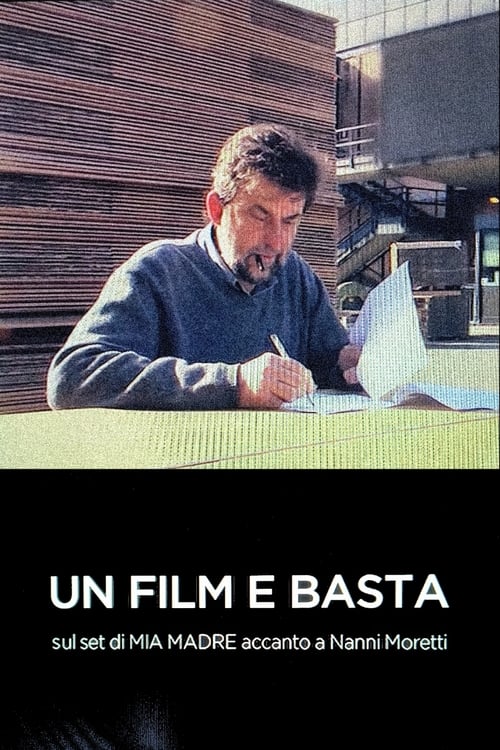
In the ending of "Just a Movie: On the Set of 'Mia Madre'," the film culminates with the completion of the movie within the movie, "Mia Madre." The protagonist, Margherita, grapples with her personal and professional challenges, ultimately finding a sense of closure regarding her relationship with her dying mother. The film concludes with a poignant scene that reflects on the themes of loss, memory, and the complexities of familial bonds.
As the final scenes unfold, Margherita stands on the set, surrounded by the crew and cast, as they prepare to shoot the last scene of "Mia Madre." The atmosphere is charged with a mix of anticipation and melancholy. Margherita, played by Margherita Buy, is visibly affected by the emotional weight of the moment. She reflects on her mother's illness and the impact it has had on her life and work.
In a series of shots, we see Margherita's internal struggle as she directs the actors, her mind drifting to memories of her mother. The camera captures her expressions--moments of frustration, sadness, and fleeting joy--as she navigates the complexities of her role as a director and a daughter. The crew works diligently, but there is an underlying tension as they all sense the emotional stakes of the scene they are about to film.
As the scene progresses, Margherita's focus shifts. She begins to channel her grief into her work, allowing her personal experiences to inform her direction. The actors deliver their lines with a raw authenticity that resonates deeply with Margherita. The culmination of the scene is powerful, as it mirrors her own relationship with her mother, filled with love, regret, and the inevitability of loss.
In the final moments of the film, Margherita receives a phone call about her mother's condition. The news is somber, and she steps away from the set, visibly shaken. The camera lingers on her face, capturing the tears that well up in her eyes. This moment signifies her acceptance of her mother's impending death, a painful but necessary step in her journey of healing.
The film closes with Margherita standing alone, looking out at the cityscape, reflecting on her life and the legacy of her mother. The final shot is a lingering close-up of her face, a mixture of sorrow and resolve, as she contemplates the future without her mother. The screen fades to black, leaving the audience with a sense of bittersweet closure.
In summary, the ending of "Just a Movie: On the Set of 'Mia Madre'" encapsulates the emotional journey of Margherita as she confronts her grief and finds a way to honor her mother through her art. The film emphasizes the interconnectedness of life and death, the power of memory, and the enduring impact of familial relationships. Each character, particularly Margherita, experiences a moment of reckoning, leading to a deeper understanding of their own lives and the legacies they carry forward.
Is there a post-credit scene?
In the movie "Just a Movie: On the Set of 'Mia Madre'," there is no post-credit scene. The film focuses on the behind-the-scenes experience of making "Mia Madre," exploring the emotional and creative challenges faced by the cast and crew. It delves into the complexities of filmmaking, the relationships between characters, and the personal struggles of the director, played by Nanni Moretti. The narrative concludes without any additional scenes after the credits, leaving the audience to reflect on the themes presented throughout the film.
What role does the supporting cast play in the protagonist's journey?
The supporting cast, including the lead actor and the crew, provide both comic relief and tension. Their interactions with the director reveal her struggles with authority and collaboration, showcasing her internal conflict as she navigates her personal and professional life.
What challenges does the director face while making 'Mia Madre'?
The director, played by Nanni Moretti, grapples with the emotional weight of her mother's illness while trying to maintain her professional responsibilities. She struggles with balancing her personal grief and the demands of the film set, leading to moments of frustration and vulnerability.
How does the character of the mother influence the protagonist's filmmaking process?
The mother, portrayed as a strong yet frail figure, serves as a poignant reminder of the protagonist's own fears and insecurities. Her declining health prompts the director to reflect on themes of loss and memory, which ultimately seep into the narrative of 'Mia Madre', affecting the tone and emotional depth of the film.
How does the protagonist's relationship with her brother affect the story?
The protagonist's relationship with her brother is strained, reflecting differing coping mechanisms regarding their mother's illness. Their interactions reveal underlying family dynamics and unresolved issues, adding layers to the protagonist's emotional journey as she confronts her past and present.
What specific scenes highlight the protagonist's emotional turmoil?
Several key scenes depict the protagonist's emotional turmoil, such as when she receives news about her mother's health, leading to a breakdown on set. Another poignant moment occurs during a confrontation with her brother, where raw emotions surface, illustrating her struggle to reconcile her personal grief with her professional obligations.
Is this family friendly?
"Just a Movie: On the Set of 'Mia Madre'" is a documentary that provides a behind-the-scenes look at the making of the film "Mia Madre." While it primarily focuses on the filmmaking process, there are some aspects that may be considered objectionable or upsetting for children or sensitive viewers.
-
Themes of Mortality: The documentary touches on themes of loss and the emotional struggles associated with aging and death, which may be heavy for younger audiences.
-
Emotional Tension: There are scenes that depict the emotional challenges faced by the cast and crew, including moments of stress and frustration, which could be intense for some viewers.
-
Language: Depending on the specific content of the interviews and discussions, there may be instances of strong language or adult themes that could be inappropriate for children.
-
Real-life Struggles: The documentary may include candid discussions about personal and professional challenges, which could be upsetting for sensitive viewers.
Overall, while the film is not explicitly designed for children, it is more suitable for mature audiences who can appreciate the complexities of the filmmaking process and the emotional depth of the subject matter.