



Popular
What motivates Bill Viola to create his art in the film?
How does Bill Viola's relationship with his family influence his work?
What specific works of art are highlighted in the film, and what do they represent?
How does the film depict the process of creating art for Bill Viola?
What role does spirituality play in Bill Viola's artistic journey as depicted in the film?
Should I watch it?
Ask Your Own Question

What is the plot?
Sorry, we aren't able to watch and write up a full detailed plot yet. Check back in a few days.









What is the ending?
In the ending of "Bill Viola: The Road to St. Paul's," the film culminates with the installation of Bill Viola's artwork at St. Paul's Cathedral. The emotional weight of the project is felt deeply as Viola reflects on the journey of creating the piece, which is a tribute to the themes of life, death, and rebirth. The film concludes with the unveiling of the artwork, showcasing its profound impact on the viewers and the space itself.
As the film approaches its conclusion, we see Bill Viola in the final stages of preparing for the installation of his artwork at St. Paul's Cathedral. The atmosphere is charged with anticipation and reverence, as the cathedral itself stands as a symbol of history and spirituality. Viola, deeply invested in the emotional and spiritual significance of his work, is seen meticulously overseeing the installation process. His dedication to capturing the essence of human experience through art is palpable, and he is visibly moved by the weight of the moment.
The scene shifts to the unveiling of the artwork, where a crowd gathers in the cathedral. The lighting is dim, creating an intimate and contemplative atmosphere. As the artwork is revealed, the audience is struck by its beauty and depth. The piece, which explores themes of mortality and transcendence, resonates with the viewers, evoking a range of emotions from awe to introspection. Viola watches as people engage with the work, their reactions reflecting the profound impact of his artistic vision.
In the final moments, the camera captures the faces of the audience, revealing tears, smiles, and contemplative expressions. This emotional response underscores the film's exploration of the connection between art and the human experience. Viola's work serves as a bridge between the sacred space of the cathedral and the personal journeys of those who encounter it.
As the credits roll, we see Viola reflecting on the journey he has taken to bring this artwork to life. His commitment to exploring the depths of human emotion and experience is evident, and the film leaves viewers with a sense of hope and connection to the themes of life and rebirth that permeate his work. The fate of Viola is one of fulfillment and achievement, having successfully created a piece that resonates deeply with both the space and its visitors. The film concludes on a note of reverence for the power of art to transform and connect individuals to their own experiences of existence.
Is there a post-credit scene?
The movie "Bill Viola: The Road to St. Paul's" does not contain a post-credit scene. The film concludes with a focus on the themes of art, spirituality, and the profound impact of Viola's work, particularly in relation to the installation at St. Paul's Cathedral. The ending emphasizes the culmination of Viola's artistic journey and the emotional resonance of his video installations, leaving the audience with a sense of reflection rather than additional narrative content.
What motivates Bill Viola to create his art in the film?
Bill Viola is driven by a deep exploration of human experience, particularly themes of life, death, and spirituality. His personal journey, including the loss of his mother, profoundly influences his artistic vision, pushing him to seek a connection between the viewer and the emotional weight of existence.
How does Bill Viola's relationship with his family influence his work?
The film delves into Viola's familial relationships, particularly the impact of his mother's death on his artistic expression. This loss instills a sense of urgency and depth in his work, as he grapples with themes of mortality and memory, which become central to his installations.
What specific works of art are highlighted in the film, and what do they represent?
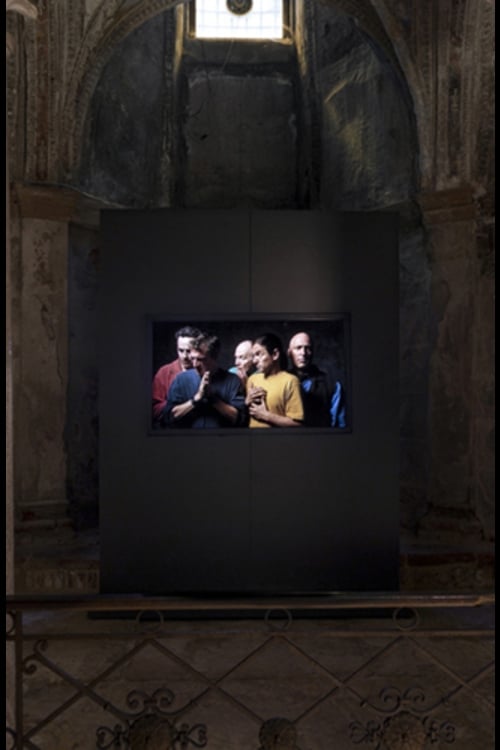
The film showcases several of Viola's notable works, including 'The Crossing' and 'The Greeting.' 'The Crossing' represents the duality of life and death through the imagery of water and fire, while 'The Greeting' explores themes of connection and recognition, drawing on influences from Renaissance art.
How does the film depict the process of creating art for Bill Viola?
The film provides an intimate look at Viola's creative process, illustrating his meticulous attention to detail and the emotional labor involved in his installations. It captures moments of experimentation, reflection, and collaboration, revealing how he translates personal experiences into visual narratives.
What role does spirituality play in Bill Viola's artistic journey as depicted in the film?
Spirituality is a central theme in Viola's work, as the film illustrates his quest for transcendence and understanding of the human condition. His exploration of various spiritual traditions informs his art, leading him to create pieces that invite viewers to contemplate their own spiritual journeys.
Is this family friendly?
"Bill Viola: The Road to St. Paul's" is a documentary that explores the life and work of the renowned video artist Bill Viola. While the film is primarily focused on art and creativity, there are a few aspects that may be considered potentially objectionable or upsetting for children or sensitive viewers.
-
Themes of Death and Grief: The film delves into profound themes such as mortality, loss, and the human experience of grief, which may be heavy for younger audiences.
-
Visual Imagery: Some of Viola's artwork includes intense and sometimes unsettling imagery that reflects emotional struggles and existential themes, which might be challenging for sensitive viewers.
-
Philosophical Discussions: The film features discussions about spirituality and the human condition that may be complex and abstract, potentially leading to confusion or discomfort for younger viewers.
Overall, while the film is not explicitly inappropriate, its deep emotional and philosophical content may not be suitable for all children or sensitive individuals.