
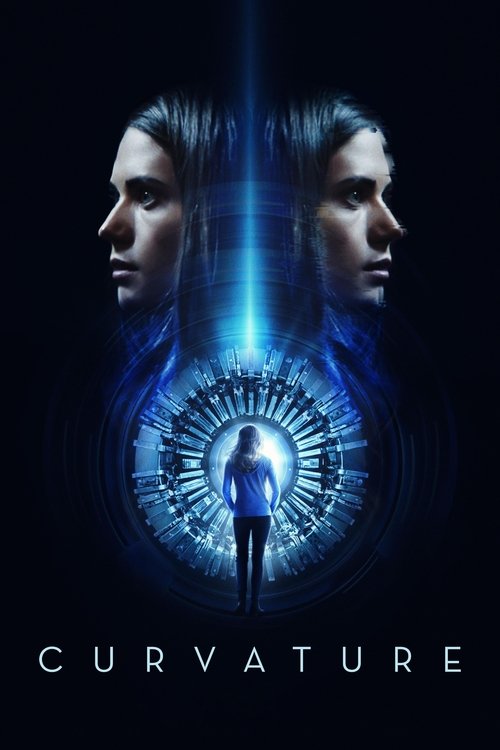









Popular
What is the significance of the time travel device in Curvature?
How does Helen's relationship with her husband influence her actions throughout the film?
What role does the character of the scientist play in Helen's journey?
How does the film explore the theme of regret through Helen's character?
What are the consequences of Helen's actions when she attempts to change the past?
Should I watch it?
Ask Your Own Question

What is the plot?
Sorry, we aren't able to watch and write up a full detailed plot yet. Check back in a few days.
More Movies Like This
Browse All Movies →







What is the ending?
In the ending of "Curvature," the protagonist, Helen, successfully travels back in time to prevent a tragic event involving her husband, but the consequences of her actions lead to unforeseen complications. Ultimately, she faces a choice that tests her resolve and understanding of love and sacrifice.
As the climax unfolds, Helen, portrayed by Lyndsy Fonseca, finds herself in a tense confrontation with the implications of her time travel. After a series of harrowing events, she realizes that her attempts to alter the past have not only changed her present but have also put her in a precarious situation regarding her own existence.
In the final scenes, Helen confronts her husband, who is revealed to be deeply affected by the changes she has made. The emotional weight of their relationship hangs heavily in the air as they grapple with the reality of their choices. Helen's husband, who has been a central figure in her motivations throughout the film, is left in a state of confusion and pain, reflecting the emotional turmoil that Helen has caused by her interventions.
As the film concludes, Helen makes a poignant decision that underscores the themes of love, sacrifice, and the complexity of human relationships. She chooses to accept the consequences of her actions, leading to a bittersweet resolution where she acknowledges the depth of her love for her husband, even if it means facing a future without him.
In the final moments, Helen's fate is left ambiguous, suggesting that while she has altered the timeline, the emotional scars of her journey will linger, leaving the audience to ponder the true cost of her choices.
In the expanded narrative of the ending, the scene begins with Helen standing in the dimly lit control room of the time travel facility, her heart racing as she prepares to make one last jump back in time. The air is thick with tension, and the flickering screens around her display the chaotic timeline she has been navigating. She is determined to save her husband, who has been tragically killed in a car accident, a loss that has haunted her throughout the film.
As she activates the time travel device, a surge of energy envelops her, and she is thrust back to the moment before the accident. The world around her shifts, colors blending and warping as she arrives at the scene. Helen's heart pounds in her chest as she races against time, desperately trying to reach her husband before fate can intervene. She calls out to him, her voice filled with urgency and fear, but the moment is fraught with tension as she realizes that her presence may alter the very fabric of reality.
In a frantic attempt to change the course of events, Helen intervenes just in time, pulling her husband away from the oncoming vehicle. The moment is both triumphant and terrifying, as she feels the weight of her actions settle upon her. However, as they embrace, a ripple of energy courses through the air, indicating that the timeline has shifted in ways she cannot yet comprehend.
The scene transitions to Helen and her husband back at their home, where the atmosphere is charged with a mix of relief and confusion. They share a tender moment, but Helen's internal struggle is palpable. She is haunted by the knowledge that her actions have consequences, and she grapples with the fear that she may have altered more than just the moment of the accident.
As the days pass, Helen begins to notice subtle changes in her husband's demeanor. He seems distant, as if he is grappling with memories that do not belong to him. The emotional weight of their relationship becomes increasingly strained, and Helen is tormented by the realization that her attempts to save him may have inadvertently created a rift between them.
In a pivotal scene, Helen confronts her husband about the changes she has sensed. The conversation is fraught with tension, as he expresses confusion over his feelings and memories. Helen's heart aches as she watches the man she loves struggle with an identity that feels fragmented. The emotional stakes are high, and the pain of their situation is palpable.
In the climax of the film, Helen is faced with a choice: to continue trying to fix the timeline or to accept the reality of their situation. The weight of her decision hangs heavily in the air as she reflects on the love they once shared. In a moment of clarity, she realizes that true love sometimes means letting go, even if it breaks her heart.
The final scene unfolds with Helen standing alone in the control room once more, the screens flickering with images of alternate timelines. She takes a deep breath, her eyes filled with tears as she makes the decision to erase her own existence from the timeline to restore balance. The emotional gravity of her sacrifice is profound, as she understands that her love for her husband transcends her own desires.
As she activates the device one last time, the energy envelops her, and she feels a sense of peace wash over her. The screen fades to black, leaving the audience with the haunting echoes of her choice. The fate of Helen remains uncertain, but her journey reflects the complexities of love, sacrifice, and the intricate web of human connections that define our lives.
Is there a post-credit scene?
In the movie "Curvature," there is no post-credit scene. The film concludes without any additional scenes or content after the credits roll. The story wraps up with the main character, Helen, having gone through a tumultuous journey involving time travel and the consequences of her actions, leaving the audience with a sense of closure regarding her fate and the events that transpired. The absence of a post-credit scene emphasizes the finality of her journey and the resolution of the narrative.
What is the significance of the time travel device in Curvature?
The time travel device in Curvature is central to the plot, as it allows the protagonist, Helen, to travel back in time to prevent a tragic event. Its significance lies in the moral and emotional dilemmas it presents, forcing Helen to confront her past decisions and the consequences of altering time.
How does Helen's relationship with her husband influence her actions throughout the film?
Helen's relationship with her husband, who is deceased, deeply influences her motivations. Her grief and desire to save him drive her to use the time travel device, showcasing her internal struggle between love and the ethical implications of changing the past.
What role does the character of the scientist play in Helen's journey?
The scientist, who created the time travel device, serves as both a mentor and a cautionary figure for Helen. He provides her with the knowledge and tools necessary for her journey, but also warns her about the potential dangers and moral complexities of time travel, reflecting her internal conflict.
How does the film explore the theme of regret through Helen's character?
Helen's character embodies regret as she grapples with her past choices and the loss of her husband. Her journey through time is a physical manifestation of her desire to rectify her mistakes, highlighting her emotional turmoil and the weight of her decisions.
What are the consequences of Helen's actions when she attempts to change the past?
When Helen attempts to change the past, she faces unforeseen consequences that complicate her mission. Each alteration she makes leads to new challenges and moral dilemmas, ultimately forcing her to confront the reality that some events may be unchangeable, deepening her emotional struggle.
Is this family friendly?
"Curvature," produced in 2017, is not considered family-friendly due to its themes and content. Here are some potentially objectionable or upsetting aspects that may affect children or sensitive viewers:
-
Violence: The film contains scenes that depict violence, including confrontations and threats that may be intense or disturbing.
-
Death and Loss: The narrative involves themes of death and the emotional turmoil associated with loss, which could be upsetting for younger audiences.
-
Psychological Tension: The film explores complex psychological themes, including anxiety and existential dread, which may be challenging for sensitive viewers to process.
-
Mature Themes: The storyline delves into adult concepts such as time travel and its implications, which may be difficult for children to understand.
-
Language: There may be instances of strong language that could be inappropriate for younger viewers.
Overall, the film's mature themes and emotional intensity make it more suitable for an adult audience.








