
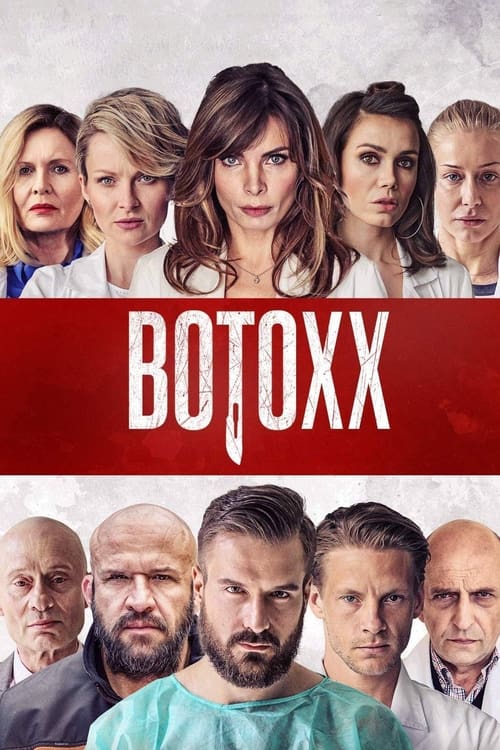












Popular
What motivates the main character to seek out Botox treatments?
How does Laura's relationship with her daughter evolve throughout the film?
What role does the character of Dr. Smith play in Laura's journey?
How does the film portray the consequences of Laura's decision to undergo multiple cosmetic procedures?
What is the significance of the scenes where Laura interacts with her friends?
Should I watch it?
Ask Your Own Question

What is the plot?
Sorry, we aren't able to watch and write up a full detailed plot yet. Check back in a few days.







What is the ending?
In the ending of "Botoxx," the main character, a woman named Laura, confronts the consequences of her obsession with beauty and the lengths she has gone to in order to maintain her youthful appearance. After a series of events that lead to personal and professional turmoil, she ultimately decides to embrace her natural self, rejecting the superficial standards she once chased. The film concludes with Laura finding a sense of peace and acceptance, while other characters face their own realizations about beauty and self-worth.
Expanding on the ending, the final scenes unfold in a dimly lit room where Laura sits in front of a mirror, her face reflecting the toll that her beauty treatments have taken on her both physically and emotionally. The camera captures the subtle lines on her forehead and the weariness in her eyes, emphasizing her internal struggle. As she gazes at her reflection, memories flash before her: moments of joy, laughter, and the fleeting nature of youth that she desperately tried to hold onto.
In a pivotal moment, Laura receives a call from her best friend, who has been a constant source of support throughout her journey. The friend expresses concern over Laura's recent choices and urges her to reconsider the path she is on. This conversation serves as a catalyst for Laura, igniting a spark of realization about the importance of authenticity over appearance. The emotional weight of the conversation is palpable, as Laura's voice trembles with vulnerability, revealing her deep-seated fears of aging and inadequacy.
As the scene transitions, Laura is seen attending a gathering with her friends, where the atmosphere is filled with laughter and camaraderie. However, she feels out of place, her insecurities bubbling to the surface. The camera pans to her friends, who are engaged in light-hearted banter about beauty standards and societal pressures. Laura's internal conflict intensifies as she grapples with the contrast between her friends' carefree attitudes and her own self-doubt.
In a moment of clarity, Laura steps outside for some fresh air, the cool breeze brushing against her skin. She takes a deep breath, allowing herself to feel the weight of her choices. The scene shifts to her returning to the gathering, where she decides to share her journey with her friends. With a shaky voice, she opens up about her struggles with self-image and the pressure to conform to societal expectations. The vulnerability in her confession resonates with her friends, who begin to share their own insecurities, creating a powerful moment of connection.
The film culminates in a scene where Laura stands in front of the mirror once more, but this time, she approaches it with a different mindset. Instead of focusing on her flaws, she begins to appreciate the beauty of her individuality. The camera captures her smile, a genuine expression of acceptance and self-love. As she walks away from the mirror, the weight of her past choices begins to lift, symbolizing her newfound freedom.
In the final moments, the film cuts to a montage of Laura engaging in activities that bring her joy--spending time with friends, pursuing her passions, and embracing her natural beauty. The screen fades to black, leaving the audience with a sense of hope and the message that true beauty lies in authenticity and self-acceptance.
As for the fates of the main characters, Laura emerges with a renewed sense of purpose, choosing to prioritize her well-being over societal pressures. Her best friend, who supported her throughout, also finds strength in their shared experiences, leading to a deeper bond. Other characters, who were once caught up in the superficiality of beauty, begin to reflect on their own lives, hinting at a collective shift towards embracing authenticity. The film closes on a note of empowerment, encouraging viewers to redefine their understanding of beauty and self-worth.
Is there a post-credit scene?
In the movie "Botoxx," produced in 2017, there is indeed a post-credit scene that adds an intriguing twist to the narrative.
As the credits roll, the screen fades to black before transitioning to a dimly lit room where a group of characters from the film are gathered. They are engaged in a heated discussion about the events that transpired throughout the movie, particularly focusing on the consequences of their actions and the moral dilemmas they faced.
One character, visibly anxious and fidgeting, expresses regret over the choices made, hinting at a deeper emotional struggle. Another character, with a sly smile, suggests that they could turn their misfortunes into a profitable venture, alluding to the potential for a sequel or further escapades.
The scene is charged with tension, as the camera zooms in on their faces, capturing a mix of fear, excitement, and uncertainty about the future. Just as the conversation reaches a climax, the screen cuts to black again, leaving the audience with a sense of anticipation and curiosity about what might come next.
This post-credit scene effectively encapsulates the film's themes of ambition, consequence, and the unpredictable nature of life, while also teasing the possibility of further developments in the characters' journeys.
What motivates the main character to seek out Botox treatments?
The main character, a middle-aged woman named Laura, is driven by her insecurities about aging and her desire to regain her youthful appearance. She feels societal pressure to look young and beautiful, which is compounded by her experiences in the dating world and her interactions with younger women.
How does Laura's relationship with her daughter evolve throughout the film?
Initially, Laura's daughter, Emily, is critical of her mother's obsession with beauty and aging. As the story progresses, their relationship becomes strained due to Laura's choices, but ultimately, they find common ground when Emily realizes her mother's struggles with self-acceptance and the pressures of societal beauty standards.
What role does the character of Dr. Smith play in Laura's journey?
Dr. Smith is the charismatic and somewhat manipulative cosmetic surgeon who introduces Laura to the world of Botox. He embodies the allure and dangers of cosmetic enhancement, as he encourages her to pursue more procedures, which leads Laura to question her self-worth and the lengths she will go to for beauty.
How does the film portray the consequences of Laura's decision to undergo multiple cosmetic procedures?
As Laura undergoes more Botox treatments, the film visually depicts her physical transformation, but it also highlights the emotional toll it takes on her. She becomes increasingly obsessed with her appearance, leading to isolation from friends and family, and ultimately, a moment of crisis where she must confront the reality of her choices.
What is the significance of the scenes where Laura interacts with her friends?
The scenes with Laura's friends serve as a contrast to her internal struggles. While they often discuss superficial topics and share beauty tips, Laura's growing discontent with her own appearance creates a rift. These interactions highlight the societal pressures women face regarding beauty and the impact of those pressures on personal relationships.
Is this family friendly?
"Botoxx," produced in 2017, is not considered family-friendly due to its mature themes and content. The film explores complex emotional and psychological issues, which may not be suitable for children or sensitive viewers.
Potentially objectionable or upsetting aspects include:
-
Adult Themes: The film delves into topics such as self-image, aging, and the pressures of societal beauty standards, which may be distressing for younger audiences.
-
Emotional Turmoil: Characters experience significant emotional struggles, including anxiety and depression, which could be unsettling for sensitive viewers.
-
Mature Language: The dialogue includes strong language that may not be appropriate for children.
-
Intense Situations: There are scenes that depict personal crises and conflicts that could be distressing.
-
Body Image Issues: The film addresses cosmetic procedures and the obsession with physical appearance, which might provoke negative feelings about self-worth in viewers.
Overall, the film's exploration of these themes may not be suitable for a younger audience or those who are sensitive to such topics.








