
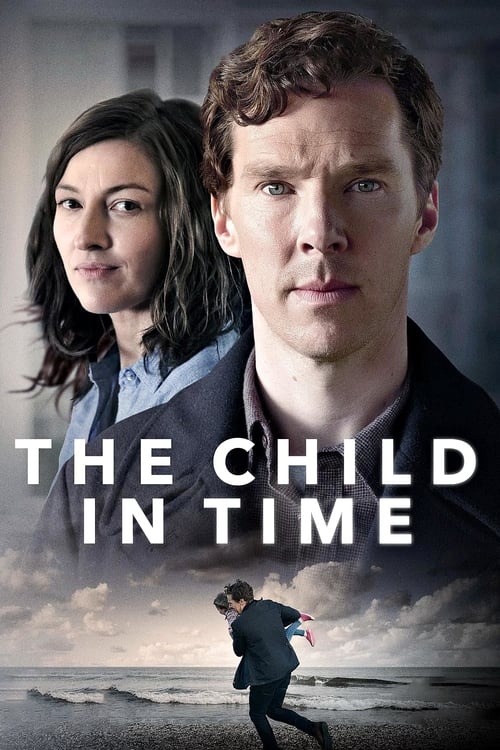




















Popular
What event triggers the main conflict in The Child in Time?
How does Stephen Lewis cope with the loss of his daughter?
What role does Julie play in Stephen's emotional journey?
How does the theme of time manifest in Stephen's experiences?
What is the significance of the recurring imagery of the train in the film?
Should I watch it?
Ask Your Own Question

What is the plot?
Sorry, we aren't able to watch and write up a full detailed plot yet. Check back in a few days.
More Movies Like This
Browse All Movies →









What is the ending?
In the ending of "The Child in Time," Stephen, the protagonist, confronts his grief and the loss of his daughter, who was abducted years earlier. He finds a sense of closure and acceptance, ultimately reconnecting with his estranged wife, Julie. The film concludes with a poignant moment of hope as they begin to heal together.
As the film approaches its conclusion, Stephen, played by Benedict Cumberbatch, is deeply entrenched in his grief over the loss of his daughter, who was taken from him and his wife, Julie, portrayed by Kelly Macdonald. The emotional weight of their loss has driven a wedge between them, leading to a strained relationship filled with unresolved pain.
In the penultimate scenes, Stephen is seen wandering through the city, haunted by memories of his daughter. He encounters various reminders of her, which evoke a mix of sorrow and longing. The atmosphere is heavy with a sense of despair, as Stephen grapples with the reality of his daughter's absence. He is depicted as a man lost in time, unable to move forward, trapped in the cycle of grief.
As the narrative unfolds, Stephen's journey leads him to a pivotal moment where he must confront his past. He visits a location that holds significance to him and Julie, a place where they once shared happiness. Here, he experiences a moment of clarity, realizing that he cannot continue to live in the shadow of his loss. This realization is visually represented through a shift in the cinematography, with brighter lighting and a more hopeful tone as he begins to accept the reality of his situation.
In a crucial scene, Stephen reaches out to Julie, who has also been struggling with her grief in her own way. Their reunion is fraught with tension, as both characters are hesitant to fully open up to one another. However, as they share their feelings, the emotional barriers begin to crumble. The dialogue is raw and honest, reflecting their pain but also their desire to reconnect. The camera captures their expressions, highlighting the vulnerability and longing in their eyes.
As they talk, the film emphasizes the theme of healing through connection. Stephen and Julie begin to share memories of their daughter, allowing them to honor her while also acknowledging their own suffering. This moment serves as a turning point for both characters, as they start to understand that they can support each other in their grief rather than allowing it to drive them apart.
The final scenes depict Stephen and Julie walking together, hand in hand, symbolizing their renewed bond. The setting is serene, with nature surrounding them, suggesting a sense of peace and hope for the future. The film closes on a note of optimism, as they take tentative steps toward rebuilding their lives together, hinting at the possibility of healing and moving forward.
In summary, Stephen finds a way to confront his grief and reconnect with Julie, leading to a hopeful resolution. The fate of Stephen and Julie is one of tentative reconciliation, as they begin to navigate their shared loss together, suggesting that while the pain of their past will always be a part of them, they can find solace in each other as they move forward.
Is there a post-credit scene?
The movie "The Child in Time," produced in 2018, does not have a post-credit scene. The film concludes its narrative without any additional scenes or content after the credits roll. The story focuses on the emotional journey of the main character, Stephen, as he grapples with the profound loss of his daughter and the impact it has on his relationships and sense of self. The ending leaves viewers with a sense of resolution regarding Stephen's journey, emphasizing themes of grief, love, and the passage of time.
What event triggers the main conflict in The Child in Time?
The main conflict in The Child in Time is triggered by the tragic abduction of a young girl named Kate, the daughter of the protagonist, Stephen Lewis. This devastating event sets off a chain reaction of grief and turmoil in Stephen's life, affecting his relationships and mental state.
How does Stephen Lewis cope with the loss of his daughter?
Stephen Lewis copes with the loss of his daughter through a mix of denial, anger, and deep sorrow. He struggles to maintain his daily life and relationships, particularly with his wife, Julie, who is also grappling with the tragedy. Stephen often finds himself lost in memories and visions of Kate, which further complicates his emotional journey.
What role does Julie play in Stephen's emotional journey?
Julie, Stephen's wife, plays a crucial role in his emotional journey as they both navigate their grief differently. While Stephen becomes increasingly withdrawn and obsessed with the past, Julie attempts to move forward, leading to tension and conflict in their relationship. Her struggle to connect with Stephen highlights the impact of their shared loss.
How does the theme of time manifest in Stephen's experiences?
The theme of time manifests in Stephen's experiences through his flashbacks and visions of Kate, which blur the lines between past and present. He often finds himself reliving moments with her, creating a sense of longing and a desire to change the past. This manipulation of time reflects his inability to let go of his daughter and the haunting nature of grief.
What is the significance of the recurring imagery of the train in the film?
The recurring imagery of the train in The Child in Time serves as a powerful symbol of loss and the passage of time. Trains represent both movement and the inevitability of change, paralleling Stephen's journey through grief. The train also evokes memories of family trips with Kate, intensifying Stephen's emotional turmoil as he grapples with the permanence of her absence.
Is this family friendly?
"The Child in Time," produced in 2018, is a poignant drama that deals with heavy themes surrounding loss, grief, and the impact of tragedy on family dynamics. While it is a deeply emotional film, it may not be considered family-friendly for younger audiences or sensitive viewers due to several potentially objectionable or upsetting aspects:
-
Child Abduction: The film centers around the abduction of a child, which is a distressing theme that can be particularly upsetting for children and sensitive individuals.
-
Grief and Mourning: The characters experience profound grief and emotional turmoil following the loss of a child, which is depicted in a raw and realistic manner. This portrayal of sorrow may be difficult for some viewers to process.
-
Emotional Turmoil: The film explores the breakdown of relationships and the strain that tragedy places on family members, showcasing intense emotional scenes that may be overwhelming.
-
Flashbacks and Trauma: There are scenes that depict traumatic memories and flashbacks, which can evoke strong emotional responses and may be unsettling for some viewers.
-
Themes of Despair: The overarching themes of despair and hopelessness may not be suitable for younger audiences, as they can be quite heavy and thought-provoking.
Overall, while "The Child in Time" offers a powerful narrative about love and loss, its content may be more appropriate for mature audiences who can engage with its complex emotional landscape.









