



Popular
What are the main character's motivations throughout the film?
How do Dan and Phil's personalities complement each other during the show?
What specific challenges do Dan and Phil face during their live show?
How do the interactions with the audience shape the narrative of the film?
What emotional moments do Dan and Phil experience during the film?
Should I watch it?
Ask Your Own Question

What is the plot?
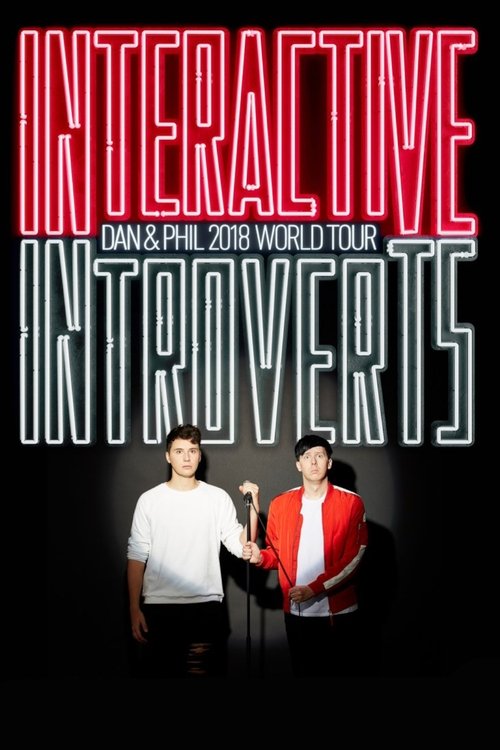
Interactive Introverts opens by immediately refusing to behave like a normal theatrical story and instead turning that refusal into the joke itself: Dan Howell and Phil Lester step into the stage lights as if they are about to deliver something grand, only to frame the whole night as an exercise in audience-powered embarrassment, self-mockery, and gleeful awkwardness. The venue itself becomes the entire world of the show, with the stage acting as the main arena and the audience seating becoming an active part of the action, because every major beat depends on the crowd's answers, reactions, and choices. What follows is not a plot in the film sense but a sequence of escalating comedy segments that still feels like a journey, and the opening establishes that Dan is cast as the criminal while Phil is cast as the policeman in a deliberately overblown, cheeky setup that turns the pair into exaggerated versions of themselves. The early banter is drenched in suggestive, performative nonsense, as if they are daring the audience to be scandalized while also inviting them to laugh at how transparently fake the whole premise is. From the start, the tension is not about danger but about whether the two hosts can keep control of the room while everyone in the theater is effectively a participant in the show.
The first major movement is the opening "Props" style material, where the duo strip the idea of theatrical spectacle down to jokes about what the audience expects and what they are actually willing to provide. The humor comes from deflation: the pair keep presenting themselves as if they are about to begin some outrageous, forbidden, maybe even "erotic" roleplay fantasy, then immediately undercut it with childish interruption and self-awareness. Dan Howell and Phil Lester lean into the contrast between polished touring performers and the insecure, sarcastic persona they have built over years of online comedy. The audience is not watching fictional characters so much as watching two public personalities perform a ritual of mutual embarrassment, and that is what gives the show its momentum. Every pause seems to ask, "Is this too much?" and every answer is, "No, do more."
From there, the evening folds into its interactive rhythm. The show's structure is built from recurring games and set pieces--"Truth Bombs," "Ball & Mystery Box," "Dan vs Phil," "Psychic Connections," "Dan, Phil, or a Rat?," "Wheel of Doom," and "Good vs Evil"--and each segment raises the stakes of humiliation while also making the crowd feel complicit in the outcome. Rather than moving through a plot with secrets to uncover, the show reveals personality through forced choices and improvised confession. Each new game functions like a small revelation machine: the hosts answer questions, expose old in-jokes, and replay the strange logic of their fan culture in public. The result is a constant oscillation between control and chaos. One moment Dan is trying to steer the bit into a prepared punchline, and the next the audience has pushed it somewhere more ridiculous than either host intended.
"Truth Bombs" works like a controlled explosion. The name alone promises honesty, but the honesty is filtered through performance, sarcasm, and selective confession. Dan and Phil tease bits of personal history and fandom lore, not in a confessional dramatic way but in the way of two people who know their audience already expects them to weaponize intimacy for comedy. The emotional undercurrent here is surprisingly strong: beneath the jokes, the show repeatedly acknowledges how long these two have been performing together and how much of their public identity exists in the space between sincerity and parody. They do not simply tell the audience things about themselves; they turn every answer into a joke about the difficulty of telling the truth when a room full of people already thinks they know you.
The "Ball & Mystery Box" segment is one of the clearest examples of the show's comic object language. A ball is thrown into the audience, and the mystery box becomes a shrine of recurring nonsense, containing items such as hair straighteners, Phil's pee glasses, and confiscated cereal. Each object lands with a laugh because it is both absurdly mundane and deeply specific, a physical token of their private lore made public under stage lights. The reveal of these items is not a twist in the dramatic sense, but it functions like one: the audience is invited to react as though some hidden treasure chest has been opened, except the treasure is just a collection of weird inside jokes that only make sense in the ecosystem of Dan and Phil fandom. The atmosphere here is playful, almost conspiratorial, as though the performers are saying that their entire relationship with the audience is built on shared nonsense.
Then the rivalry takes over. In "Dan vs Phil," the pair sharpen their existing dynamic into a competition, and the crowd gets to choose, judge, and mock. This is where the show's tension becomes especially effective, because the funniest moments come from how hard both men commit to being petty. The point is not who wins in any serious sense; the point is to watch them turn their history of collaboration into an endless argument rendered as entertainment. The audience is not a neutral observer but a referee, a jury, and at times an accomplice to the cruelty. Their answers send the show spiraling forward, and Dan and Phil's reactions reveal how carefully they have balanced their personas: Dan often leans into deadpan hostility while Phil plays up bright-eyed absurdity, but both are really just feeding the same machine.
"Psychic Connections" shifts the energy from rivalry to uncanny collaboration, as if the show briefly wants to prove that the pair are so mentally linked that even their mistakes can become a joke. The game uses school supplies and audience participation as props for a pseudo-mystical routine, and the result is half parody, half affectionate reenactment of the kind of mind-reading spectacle that stage shows love to fake. The emotional beat here is not belief but recognition. The audience understands that the "psychic" part is nonsense, but they also understand the deeper comedy of watching two people who have spent years building a public partnership act as though they can anticipate each other's thoughts. It is a bit about intimacy disguised as a party trick.
The "Dan, Phil, or a Rat?" segment pushes that intimacy into full absurdity. This is where the show's self-image becomes most openly ridiculous, because the audience is asked to distinguish between the two hosts and an animal in a game that treats all three as equally possible sources of chaos. The joke lands because the show has spent so much time teaching the crowd how to read their mannerisms, insecurities, and recurring bits that this becomes both a challenge and an insult. It is affectionate mockery in its purest form. Dan and Phil are not trying to appear dignified; they are trying to win a game whose premise already declares that they might be indistinguishable from a rat in the audience's eyes. That humiliation is the point, and they lean into it with theatrical commitment.
By the time "Wheel of Doom" arrives, the show has built enough momentum that even a purely comedic punishment feels like a climax of sorts. The wheel is the embodiment of arbitrary fate, and when it lands on Dan being "sacrificed," the show escalates the joke into a mock execution: Phil shoots Dan in the kneecap. The moment is staged as outrageous punishment, but it remains obviously a gag inside the show's absurd competition structure rather than anything approaching a true act of violence. Still, it carries dramatic weight because it crystallizes the entire night's logic. The show keeps asking how far humiliation can be pushed before it stops being funny, and then it answers by pushing further, while the crowd laughs because the line keeps moving and never quite breaks.
The emotional rhythm of the show depends on that repeated collapse of seriousness into silliness. Each game feels like both a performance and a confession. There are no real deaths, no hidden villain, no criminal conspiracy, and no mystery in the conventional sense, but there are plenty of "revelations" that matter within the show's own world. The revelations are about identity: Dan and Phil reveal not secret plot information but the structure of their public selves. They show that their brand is built from self-mockery, parasocial humor, and the deliberate recycling of in-jokes that reward long-term fans. The audience learns, over and over, that what looks spontaneous is often carefully staged to feel spontaneous, and what looks like chaos is actually a shared language between performers and fans.
As the show continues, the repeated interplay between audience choice and host reaction makes the theater feel alive. The live venue is not just a backdrop but the engine of the story. Every laugh, shout, and reaction ripples back into the performance, turning the room into a single organism. This is why the show feels like a narrative even though it is not one: it has momentum, escalation, reversals, and a final emotional release. The major "confrontations" are all comic ones--who can roast whom harder, who can survive the hardest audience prompt, who can maintain composure when the bit gets increasingly silly--and each confrontation resolves not with victory speeches but with more laughter. Dan and Phil are always both opponents and collaborators, and that tension drives the entire experience.
The closer the performance gets to the end, the more its scattered segments begin to feel like parts of one larger statement. The show's title, Interactive Introverts, gradually becomes more than a branding joke; it becomes the thesis of the night. The duo have spent the entire show asking the audience to participate, but they have done so while leaning into their own introverted awkwardness, making the act of interaction itself the joke and the triumph. They are not natural extroverted showmen pretending to be casual; they are introverts making a spectacle out of their discomfort and turning that discomfort into a shared celebration. The emotional effect is unexpectedly warm. Underneath the roast energy and self-parody, the show feels like a love letter to a fanbase that understands the specific pleasure of watching two deeply online personalities publicly commit to being weird together.
The final stretch resolves the evening not with a twist or a hidden truth, but with a return to collaboration. The competitive structure that has governed the games loosens, and the duo shift from sparring to harmony. Dan sits at the piano, and together they perform a duet that functions as both a musical payoff and a thematic summary. The performance explicitly ties itself to the title "Interactive Introverts," as if the entire night has been building toward this moment of self-definition. After all the audience-driven chaos, after the jokes about crime, punishment, rats, psychic bonds, and absurd props, the ending arrives as a strangely sincere act of unity. Dan and Phil are not defeated by the crowd, nor do they conquer it; instead, they absorb it, acknowledge it, and then sign off by turning the whole experience into one final shared performance.
The last scene carries the emotional resolution of the whole show. There is no aftermath in the dramatic sense, no death to mourn, no villain to expose, no final secret hidden behind a curtain. The resolution is that the duo have transformed a live tour into a communal joke about identity, fandom, and the joy of being awkward in public. The "story" ends where it began: with Dan Howell and Phil Lester standing in front of an audience that has been made part of the show's meaning, having survived every roast, every game, every mock punishment, and every escalating bit of nonsense. The final note is not tragic or triumphant in a conventional narrative sense. It is something more specific to them: a playful, self-aware, emotionally charged sign-off that leaves the crowd with the sense that they have not merely watched a performance, but helped create it.
More Movies Like This
Browse All Movies →








What is the ending?
In the ending of "Interactive Introverts," the characters come together for a final interactive segment, where they reflect on their experiences and the connections they've made. The event concludes with a sense of camaraderie and personal growth, as they embrace their identities and the friendships formed throughout the journey.
As the final act unfolds, the scene opens with the audience buzzing with excitement, the lights dimming as the stage is set for the concluding segment of the show. The atmosphere is electric, filled with anticipation and a sense of community among the fans. The main characters, Dan and Phil, take center stage, their expressions a mix of joy and nervousness. They have navigated through various challenges during the tour, and now they stand before their audience, ready to share their final thoughts.
Dan, visibly emotional, begins to speak about the importance of being true to oneself. He reflects on the journey they have taken together, both as performers and as individuals. His voice trembles slightly, revealing the depth of his feelings. He acknowledges the struggles of being an introvert in a world that often celebrates extroversion, and he encourages the audience to embrace their quirks and differences. The crowd responds with cheers, resonating with his message.
Phil, standing beside Dan, adds his own perspective, emphasizing the value of friendship and support. He shares anecdotes from their tour, highlighting moments of laughter and vulnerability. His tone is light-hearted yet sincere, and he expresses gratitude for the fans who have supported them throughout their journey. The bond between Dan and Phil is palpable, showcasing their deep friendship and mutual respect.
As they wrap up their speeches, the duo invites the audience to participate in a final interactive segment. They engage the fans in a fun activity, creating a sense of unity and shared experience. Laughter fills the room as they play games and answer questions, breaking down the barriers between performer and audience. This moment encapsulates the essence of the tour: connection, understanding, and acceptance.
The show concludes with Dan and Phil thanking their fans, their faces beaming with happiness. They take a moment to soak in the atmosphere, the applause echoing around them. As they exit the stage, the audience stands in a wave of appreciation, a testament to the impact of their journey together.
In the aftermath, Dan and Phil reflect on their experiences, both feeling a sense of fulfillment and growth. They have not only entertained but also inspired their audience to embrace their true selves. The film closes with a montage of their tour highlights, showcasing the laughter, the tears, and the connections made along the way. The final shot lingers on Dan and Phil, side by side, smiling at the camera, embodying the spirit of the introverted yet vibrant community they have fostered.
Is there a post-credit scene?
In the movie "Interactive Introverts," there is indeed a post-credit scene that adds a humorous touch to the overall experience. After the credits roll, viewers are treated to a brief moment featuring the main characters, Dan and Phil. In this scene, they engage in a light-hearted conversation that reflects their playful dynamic.
As the camera captures their candid interaction, Dan expresses his frustration over a minor mishap that occurred during the tour, while Phil teases him about it, showcasing their close friendship. The scene is filled with laughter and banter, emphasizing their chemistry and the fun they had throughout the tour. This playful exchange serves as a delightful conclusion to the film, leaving the audience with a sense of warmth and connection to the characters. It encapsulates the spirit of the movie, celebrating the joys of friendship and the quirks of being an introvert in a lively world.
What are the main character's motivations throughout the film?
The main characters, Dan and Phil, are driven by their desire to connect with their fans and share their personal experiences. They navigate their own insecurities and the pressures of fame while trying to create an engaging and authentic experience for their audience.
How do Dan and Phil's personalities complement each other during the show?
Dan is often portrayed as more serious and introspective, while Phil brings a light-hearted and playful energy. This dynamic creates a balance that allows them to engage with the audience effectively, showcasing their contrasting yet complementary traits.
What specific challenges do Dan and Phil face during their live show?
During the live show, Dan and Phil encounter technical difficulties, unexpected audience reactions, and moments of self-doubt. These challenges test their ability to improvise and maintain the show's flow, revealing their vulnerability and resilience.
How do the interactions with the audience shape the narrative of the film?
The interactions with the audience are pivotal, as they provide real-time feedback and influence the direction of the show. These moments highlight the connection between Dan, Phil, and their fans, showcasing the impact of their online personas in a live setting.
What emotional moments do Dan and Phil experience during the film?
Throughout the film, Dan and Phil experience a range of emotions, from excitement and joy during successful interactions to anxiety and fear when faced with challenges. These emotional highs and lows deepen their bond and reveal their personal growth as they confront their fears together.
Is this family friendly?
"Interactive Introverts," produced in 2018, is a live show featuring the YouTube duo Dan Howell and Phil Lester. The film captures their unique blend of humor, storytelling, and audience interaction. While the overall tone is light-hearted and entertaining, there are a few aspects that may be considered potentially objectionable or upsetting for children or sensitive viewers:
-
Mature Themes: The show touches on themes of mental health, anxiety, and self-acceptance, which may resonate deeply with some viewers but could be distressing for others, particularly younger audiences who may not fully understand these concepts.
-
Humor Style: The humor often includes sarcasm and self-deprecation, which might not be suitable for all children. Some jokes may involve awkward social situations or personal insecurities that could be uncomfortable for sensitive viewers.
-
Audience Interaction: The interactive nature of the show includes audience participation, which can lead to moments of embarrassment or discomfort for some individuals, especially if they are shy or introverted.
-
Language: While the language is generally mild, there are occasional uses of slang and informal expressions that may not be appropriate for younger viewers.
-
Visuals and Themes: Certain visual elements and themes may explore darker aspects of introversion and social anxiety, which could be unsettling for some children or sensitive individuals.
Overall, while "Interactive Introverts" is primarily a comedic and engaging experience, parents may want to consider these elements when deciding if it is suitable for their children or sensitive viewers.







