










Popular
What motivates the dictator's actions throughout the play?
How does the relationship between the dictator and his advisor evolve?
What role does the public play in the dictator's downfall?
How does the character of the dictator reflect the themes of power and corruption?
What pivotal moment leads to the dictator's realization of his isolation?
Should I watch it?
Ask Your Own Question

What is the plot?
Sorry, we aren't able to watch and write up a full detailed plot yet. Check back in a few days.







What is the ending?
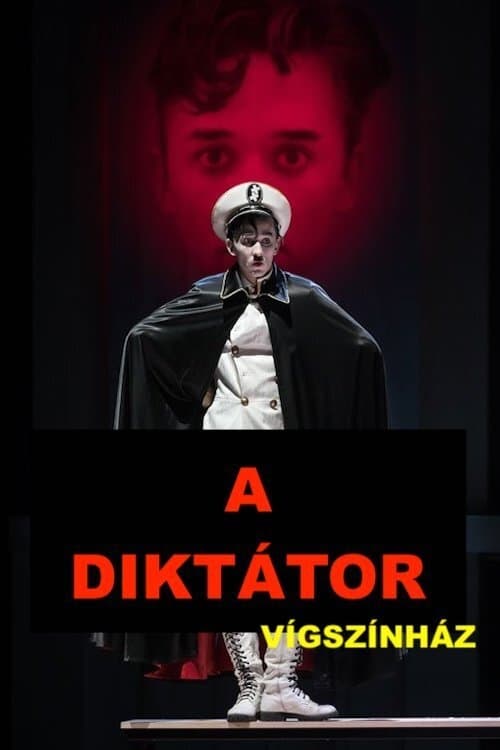
In the ending of "A diktátor (színházi felvétel)," the story culminates in a dramatic confrontation between the dictator and the people he has oppressed. The dictator's grip on power begins to falter as the citizens rise against him, leading to a chaotic and tense climax. Ultimately, the dictator is overthrown, and the people celebrate their newfound freedom, while the fate of the dictator remains uncertain, leaving a lingering sense of hope and change.
As the final act unfolds, the stage is set with a stark contrast between the opulence of the dictator's throne and the ragged appearance of the citizens who have suffered under his rule. The atmosphere is thick with tension as the citizens gather, emboldened by their shared desire for liberation. The lighting dims, casting long shadows that symbolize the oppressive weight of the dictator's regime.
The dictator, portrayed with a mix of arrogance and desperation, enters the scene, his demeanor reflecting a man who has lost touch with reality. He attempts to assert his authority, delivering a grandiose speech filled with empty promises and threats. His voice echoes through the theater, but the citizens, once fearful, now stand united, their resolve unshaken. They respond with chants of defiance, their voices rising in a powerful chorus that drowns out the dictator's words.
As the confrontation escalates, the citizens begin to advance toward the dictator, their movements synchronized and purposeful. The tension in the air is palpable, and the audience can feel the weight of history in this moment. The dictator, realizing he is losing control, becomes increasingly frantic. He gestures wildly, trying to rally his loyalists, but they begin to waver, caught in the tide of change.
In a pivotal moment, one of the citizens steps forward, a character who has been a symbol of hope throughout the story. This character confronts the dictator directly, challenging his authority and demanding accountability for the suffering he has caused. The exchange is charged with emotion, as the citizen's voice trembles with both fear and determination. The dictator, cornered and desperate, attempts to manipulate the situation, but the citizens are no longer swayed by his lies.
As the climax reaches its peak, the citizens surge forward, and the dictator's façade crumbles. The stage erupts into chaos as the citizens overpower him, symbolizing the collective strength of the oppressed. The lighting shifts dramatically, illuminating the faces of the citizens filled with a mix of anger, relief, and triumph. The dictator is ultimately captured, his fate left ambiguous as he is dragged away, a once-mighty figure reduced to a mere shadow of his former self.
In the aftermath, the citizens gather in a circle, their expressions shifting from anger to joy. They embrace one another, tears of relief streaming down their faces as they realize they have reclaimed their freedom. The stage is filled with a sense of unity and hope, as they begin to envision a future without oppression. The final scene fades to black, leaving the audience with a powerful message about resilience and the enduring spirit of the people.
The fates of the main characters are intertwined with this climactic moment. The dictator, once a figure of fear, is left uncertain, his power stripped away. The citizens, who have suffered greatly, emerge victorious, their journey symbolizing the struggle for justice and the importance of standing together against tyranny. The ending resonates with a sense of possibility, suggesting that change is not only necessary but achievable when people unite for a common cause.
Is there a post-credit scene?
The movie "A diktátor (színházi felvétel)" does not feature a post-credit scene. The film concludes its narrative without any additional scenes or content after the credits roll. The focus remains on the main storyline and the themes explored throughout the performance, leaving the audience with the impact of the preceding events rather than any further developments.
What motivates the dictator's actions throughout the play?
The dictator's actions are driven by a deep-seated need for control and power, stemming from his insecurities and fear of losing authority. His paranoia about betrayal leads him to make increasingly irrational decisions, showcasing his internal conflict between maintaining his image and the reality of his crumbling regime.
How does the relationship between the dictator and his advisor evolve?
Initially, the advisor appears to be a loyal supporter, but as the story progresses, their relationship becomes strained. The advisor's growing disillusionment with the dictator's methods leads to tension, revealing the advisor's internal struggle between loyalty and moral integrity.
What role does the public play in the dictator's downfall?
The public's perception of the dictator shifts dramatically as the play unfolds. Initially, they are portrayed as fearful and submissive, but as dissent grows, their collective voice becomes a powerful force against the dictator, highlighting the theme of revolution and the power of the masses.
How does the character of the dictator reflect the themes of power and corruption?
The dictator embodies the corrupting influence of absolute power, showcasing a transformation from a charismatic leader to a tyrant. His descent into madness and cruelty illustrates the psychological effects of unchecked authority, as he becomes increasingly isolated and paranoid.
What pivotal moment leads to the dictator's realization of his isolation?
A pivotal moment occurs when the dictator confronts the reality of his dwindling support during a public address. The silence and lack of enthusiasm from the crowd serve as a harsh awakening, forcing him to confront the consequences of his oppressive rule and the betrayal of those he once trusted.
Is this family friendly?
"A diktátor (színházi felvétel)" is a theatrical adaptation that explores themes of power, control, and the absurdities of dictatorship. While it is a work of satire, there are several aspects that may be considered objectionable or upsetting for children or sensitive viewers.
-
Violence and Threats: The portrayal of authoritarian rule often includes scenes of intimidation, threats, and the potential for violence, which may be unsettling.
-
Dark Humor: The use of dark humor to address serious topics like oppression and tyranny may not be suitable for younger audiences who might not grasp the nuances.
-
Political Satire: The satire may include references to real-world dictatorships and political oppression, which could be distressing for some viewers.
-
Emotional Manipulation: Characters may experience intense emotional states, including fear, despair, and anger, which could be overwhelming for sensitive individuals.
-
Mature Themes: The exploration of power dynamics and the consequences of absolute authority may introduce complex themes that require a mature understanding.
Overall, while the film is a theatrical piece that uses humor and satire, its content may not be appropriate for all audiences, particularly younger children or those who are sensitive to themes of violence and oppression.