















Popular
What motivates the main character, Diego Hernandez, to become El Chicano?
How does Diego's relationship with his father influence his actions as El Chicano?
What role does the character of Detective Garcia play in the story?
How does the theme of family impact the decisions made by Diego throughout the film?
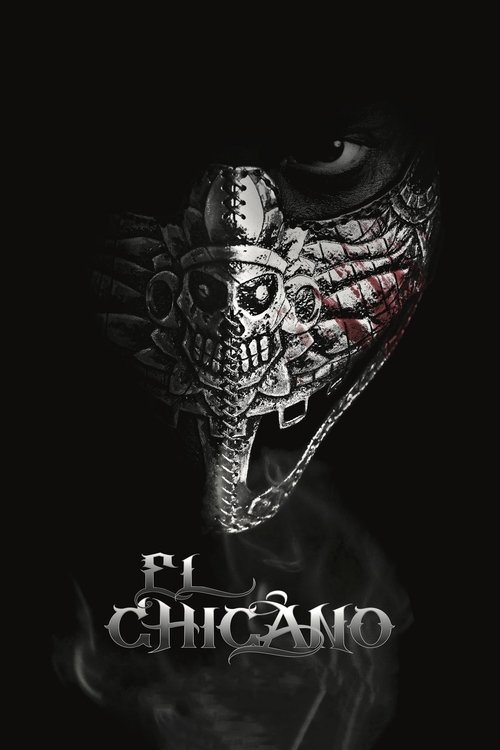
What is the significance of the El Chicano mask in the film?
Should I watch it?
Ask Your Own Question

What is the plot?
Sorry, we aren't able to watch and write up a full detailed plot yet. Check back in a few days.







What is the ending?
In the ending of "El Chicano," the protagonist, Diego Hernandez, confronts the corrupt forces in his community, ultimately embracing his identity as El Chicano. He seeks justice for his brother's murder and the broader issues plaguing his neighborhood. The film concludes with Diego taking a stand against the drug cartel and the police corruption, symbolizing hope and resilience for his community.
As the climax of "El Chicano" unfolds, we find Diego Hernandez, now fully embracing his alter ego, El Chicano, preparing for a final confrontation. The atmosphere is tense, filled with a sense of urgency and determination. Diego, clad in the iconic mask and attire of El Chicano, stands at the edge of a rooftop, overlooking the streets of East Los Angeles. The city, with its vibrant murals and the weight of its struggles, serves as both a backdrop and a character in its own right.
Scene by scene, the narrative progresses. Diego's internal conflict is palpable; he grapples with the duality of his identity as both a police officer and a vigilante. His motivations are driven by a deep-seated desire for justice, not only for his brother, who was murdered by a drug cartel, but also for the community that has suffered under the weight of crime and corruption. The emotional stakes are high as he reflects on his past, the loss of his brother, and the betrayal he feels from those in power.
As the night deepens, Diego makes his way to a warehouse where the cartel is conducting business. The tension escalates as he stealthily navigates through the shadows, his heart racing with a mix of fear and resolve. He recalls the teachings of his late mother, who instilled in him a sense of pride in his heritage and the importance of standing up for what is right. This memory fuels his determination as he prepares to confront the cartel members.
In a series of intense confrontations, Diego faces off against the cartel's enforcers. The action is visceral, with each fight sequence showcasing his skills and the weight of his mission. He fights not just for revenge but for the future of his community, embodying the spirit of El Chicano. The choreography of the fights is both brutal and poetic, reflecting the chaos of his inner turmoil and the external conflict.
As the climax reaches its peak, Diego confronts the cartel leader, a man who represents the corruption and violence that has plagued his neighborhood. Their confrontation is charged with emotion, as Diego reveals the truth about his brother's death and the pain that has driven him to this moment. The leader, confident and ruthless, underestimates Diego's resolve, leading to a dramatic showdown.
In the aftermath of the confrontation, Diego emerges victorious but not unscathed. The warehouse is left in disarray, a testament to the battle that has just taken place. As dawn breaks, Diego stands amidst the remnants of the fight, the weight of his actions settling in. He has avenged his brother and taken a stand against the forces that threaten his community, but the cost of his journey is evident in his weary expression.
The film concludes with Diego returning to the streets of East Los Angeles, where he is met with a mix of fear and admiration from the community. He has become a symbol of hope, embodying the spirit of El Chicano. The final scenes show him walking through the neighborhood, the sun rising behind him, casting a warm glow over the streets. His fate is one of transformation; he has embraced his identity and purpose, ready to continue the fight for justice in a world that desperately needs it.
In the closing moments, the camera pans out, capturing the vibrant life of the community, now infused with a renewed sense of hope. Diego's journey has not only changed him but has also inspired those around him to stand up against the injustices they face. The film ends on a note of resilience, emphasizing the importance of identity, community, and the ongoing struggle for justice.
Is there a post-credit scene?
Yes, "El Chicano" features a post-credit scene that adds an intriguing layer to the story.
As the credits roll, the scene opens with a darkened alley in East Los Angeles, where the atmosphere is thick with tension. The camera pans slowly, revealing a figure cloaked in shadows, hinting at a sense of mystery and anticipation. This figure is later revealed to be a character who has been a significant part of the narrative, suggesting that their story is not yet over.
The scene shifts to a close-up of a mask similar to the one worn by El Chicano, symbolizing the ongoing legacy of the vigilante. The mask is placed on a table, and the camera lingers on it, emphasizing its importance. This moment serves as a powerful reminder of the duality of justice and the ongoing fight against corruption and crime in the community.
As the scene concludes, a voice is heard, hinting at future challenges and the need for a protector. This leaves the audience with a sense of unresolved tension and the possibility of further adventures, reinforcing the themes of identity, justice, and the struggle for community safety that permeate the film. The post-credit scene effectively teases the potential for a sequel or continuation of the story, inviting viewers to reflect on the character's journey and the impact of El Chicano on the community.
What motivates the main character, Diego Hernandez, to become El Chicano?
Diego Hernandez, a Los Angeles police officer, is driven by a deep sense of justice and a desire to protect his community. His motivation intensifies after the murder of his twin brother, which is tied to gang violence and corruption. This personal loss propels him to embrace the vigilante persona of El Chicano, seeking to avenge his brother and combat the criminal elements that plague his neighborhood.
How does Diego's relationship with his father influence his actions as El Chicano?
Diego's relationship with his father, who was a former gang member and a strong influence in his life, plays a crucial role in shaping his identity. His father's teachings about honor and loyalty resonate with Diego, pushing him to uphold these values as El Chicano. The weight of his father's legacy and the desire to make him proud drive Diego's commitment to fighting for justice, even as he grapples with the moral complexities of his actions.
What role does the character of Detective Garcia play in the story?
Detective Garcia serves as both an ally and a foil to Diego. Initially, he is skeptical of Diego's methods and the vigilante approach of El Chicano. However, as the story unfolds, Garcia's character evolves, revealing a shared goal of bringing down the corrupt forces in their community. His interactions with Diego highlight the tension between law enforcement and vigilante justice, ultimately leading to a reluctant partnership as they confront the deeper issues of crime and corruption.
How does the theme of family impact the decisions made by Diego throughout the film?
Family is a central theme that profoundly impacts Diego's decisions. The murder of his brother serves as a catalyst for his transformation into El Chicano, and throughout the film, Diego is constantly reminded of his familial ties. His actions are driven by a desire to protect his loved ones and honor his brother's memory. The emotional weight of family loyalty influences his choices, often placing him in morally ambiguous situations as he navigates the line between right and wrong.
What is the significance of the El Chicano mask in the film?
The El Chicano mask symbolizes Diego's transformation and the duality of his identity. When he dons the mask, he becomes a figure of vengeance and justice, embodying the spirit of his community's struggles. The mask serves as a protective barrier, allowing Diego to confront his enemies without revealing his true self. It also represents the cultural heritage and the fight against oppression, making it a powerful emblem of resistance and empowerment throughout the narrative.
Is this family friendly?
"El Chicano," produced in 2019, is not considered family-friendly due to its mature themes and content. Here are some potentially objectionable or upsetting aspects that may occur for children or sensitive viewers:
-
Violence: The film contains several scenes of graphic violence, including gang-related confrontations and shootouts that may be intense and disturbing.
-
Drug Use: There are depictions of drug use and drug trafficking, which may be inappropriate for younger audiences.
-
Strong Language: The dialogue includes frequent use of profanity and slurs, which may be offensive to some viewers.
-
Death and Loss: The film explores themes of loss, including the death of loved ones, which can be emotionally heavy and upsetting.
-
Gang Culture: The portrayal of gang life and its associated dangers may be unsettling, particularly for younger viewers.
-
Mature Themes: The film delves into complex issues such as identity, revenge, and the impact of crime on families, which may be difficult for children to understand.
Overall, the film's content is geared towards an adult audience and may not be suitable for children or those sensitive to such themes.







