

















Popular
What motivates the main character, Evan, to take drastic actions throughout the film?
How does Evan's relationship with his son, Tyler, evolve during the film?
What role does the character of the mother play in Evan's life and decisions?
How does the film depict the theme of family legacy through Evan's actions?
What is the significance of the final confrontation between Evan and his brother?
Should I watch it?
Ask Your Own Question

What is the plot?
Sorry, we aren't able to watch and write up a full detailed plot yet. Check back in a few days.




What is the ending?
In the ending of "Bloodline," the protagonist, Evan, confronts his violent tendencies and the consequences of his actions. After a series of brutal events, he ultimately faces the repercussions of his choices, leading to a tragic conclusion that affects his family and those around him.
As the film approaches its climax, Evan, who has been struggling with his dark impulses and the legacy of violence he feels compelled to uphold, finds himself in a tense confrontation with his estranged father, who has returned to complicate his life further. The emotional weight of their relationship, filled with resentment and unresolved issues, culminates in a violent showdown. Evan's internal conflict reaches a boiling point as he grapples with the cycle of violence that has plagued his family.
In the final scenes, Evan's actions lead to devastating consequences. He is left to confront the aftermath of his choices, which not only affect him but also his wife and child. The film closes on a somber note, emphasizing the tragic nature of his struggle and the inescapable bloodline of violence that he cannot seem to break free from.
As the film "Bloodline" nears its conclusion, the tension escalates dramatically. Evan, portrayed as a man deeply troubled by his family's history of violence, finds himself at a crossroads. The scene opens with Evan in his home, the atmosphere thick with unease. He is haunted by memories of his father, a man whose violent legacy looms over him like a dark cloud. The camera captures Evan's furrowed brow and clenched fists, revealing his internal struggle as he tries to suppress the violent urges that have been passed down through generations.
The narrative shifts as Evan's estranged father unexpectedly reenters his life, stirring up old wounds. The father, a figure of authority and fear, represents the very violence Evan has tried to distance himself from. Their interactions are fraught with tension, each word laced with years of resentment and unspoken pain. The audience can feel the weight of their shared history, as Evan's father taunts him, pushing him to confront the darkness within.
In a pivotal scene, the confrontation escalates into a physical altercation. The camera captures the raw intensity of the fight, with close-ups of Evan's face, showcasing his struggle between the desire to protect his family and the violent instincts that threaten to consume him. The choreography of the fight is brutal, reflecting the chaos of their relationship. As they grapple, Evan's internal conflict is palpable; he is torn between the urge to retaliate and the desperate need to break free from the cycle of violence.
As the fight reaches its climax, Evan makes a fateful decision. In a moment of desperation, he takes drastic action against his father, leading to a tragic outcome. The scene is heavy with emotion, the sound of heavy breathing and the thud of bodies hitting the ground echoing in the silence that follows. Evan stands over his father, the weight of his actions crashing down on him. The camera lingers on his face, capturing the horror and realization of what he has done.
In the aftermath, Evan is left to grapple with the consequences of his actions. The film shifts to his home life, where his wife and child are oblivious to the violence that has just unfolded. The juxtaposition of his domestic life with the chaos he has just experienced creates a haunting contrast. Evan's emotional state is fragile; he is a man torn apart by guilt and fear, knowing that he has perpetuated the very cycle he sought to escape.
The final scenes depict Evan's isolation. He sits alone in a darkened room, the weight of his choices pressing down on him. The camera pulls back, revealing the emptiness around him, symbolizing the void left by his actions. His wife enters, sensing something is wrong, but Evan is unable to share the truth of what has transpired. The emotional distance between them grows, highlighting the impact of his violent legacy on his family.
As the credits roll, the audience is left with a sense of foreboding. Evan's fate is sealed; he is trapped in a cycle of violence that he cannot escape. The film closes on a somber note, emphasizing the tragic consequences of his struggle and the inescapable bloodline of violence that defines his existence. Each character's fate is intertwined with Evan's choices, leaving a lingering question about the possibility of breaking free from the past.
Is there a post-credit scene?
In the movie "Bloodline" (2019), there is no post-credit scene. The film concludes its narrative without any additional scenes or content after the credits roll. The story wraps up with the main character, Evan, facing the consequences of his actions throughout the film, leaving the audience with a sense of closure regarding his journey and the dark path he has taken. The absence of a post-credit scene emphasizes the finality of Evan's choices and the impact they have on his life and those around him.
What motivates the main character, Evan, to take drastic actions throughout the film?
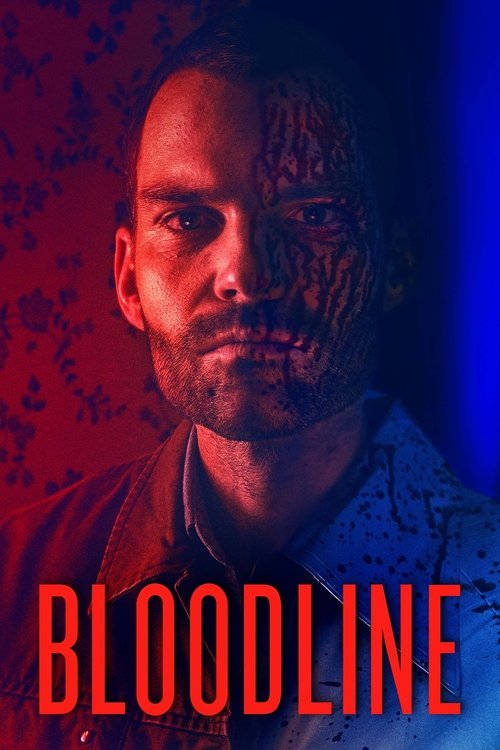
Evan, portrayed by Seann William Scott, is driven by a deep-seated need to protect his family and maintain control over his life. His troubled past and the trauma from his childhood, particularly the abuse he suffered, fuel his violent tendencies. As he becomes increasingly aware of the threats posed by those around him, including his estranged family, his motivations shift from mere protection to a desperate need to eliminate any perceived danger, leading him down a dark path.
How does Evan's relationship with his son, Tyler, evolve during the film?
Evan's relationship with his son Tyler is central to the narrative. Initially, Evan is portrayed as a caring father, eager to bond with Tyler and provide a stable environment. However, as Evan's violent actions escalate, the strain on their relationship becomes evident. Tyler begins to sense the darkness in his father's behavior, leading to moments of fear and confusion. This evolution highlights Evan's internal conflict between his paternal instincts and his violent impulses, ultimately affecting Tyler's perception of him.
What role does the character of the mother play in Evan's life and decisions?
Evan's mother is a significant figure in his backstory, representing the source of his trauma. Her abusive behavior during his childhood instills in him a fear of repeating the cycle of violence. Throughout the film, her influence looms large in Evan's mind, often serving as a haunting reminder of his past. This relationship drives Evan's desire to protect his own son from similar experiences, even as it complicates his ability to form healthy relationships.
How does the film depict the theme of family legacy through Evan's actions?
The film intricately weaves the theme of family legacy into Evan's actions, showcasing how his traumatic upbringing shapes his identity and choices. As he grapples with his violent tendencies, the audience witnesses the struggle between his desire to break the cycle of abuse and the pull of his inherited darkness. Each violent act he commits is not just a response to immediate threats but also a reflection of the legacy he fears he cannot escape.
What is the significance of the final confrontation between Evan and his brother?
The final confrontation between Evan and his brother serves as a climactic moment that encapsulates the film's exploration of familial ties and the consequences of violence. This showdown is not only a physical battle but also an emotional reckoning, where Evan must confront the demons of his past and the reality of his actions. The intensity of this moment highlights the culmination of Evan's internal struggle, forcing him to face the impact of his choices on his family and ultimately leading to a tragic resolution.
Is this family friendly?
"Bloodline," produced in 2019, is not considered family-friendly due to its intense themes and graphic content. The film contains several potentially objectionable or upsetting scenes, including:
-
Violence: The movie features graphic depictions of violence, including physical confrontations and scenes of murder that may be disturbing to viewers.
-
Murder: There are scenes that involve the protagonist committing acts of murder, which are portrayed in a visceral manner.
-
Psychological Tension: The film explores themes of obsession and revenge, creating a tense atmosphere that may be unsettling for sensitive viewers.
-
Emotional Distress: Characters experience significant emotional turmoil, including feelings of betrayal, anger, and despair, which may resonate negatively with some audiences.
-
Dark Themes: The overarching themes of family dysfunction and the consequences of violence can be heavy and may not be suitable for younger viewers.
Overall, the film's mature content and dark narrative make it more appropriate for adult audiences.







