












Popular
What are the key events that lead to the climax of the film?
How does the character of Raghava evolve throughout the film?
What is the significance of the character Raghava's relationship with his grandfather?
What role does the character of the grandfather play in the family dynamics?
How does the film portray the theme of generational conflict through its characters?
Should I watch it?
Ask Your Own Question

What is the plot?
Sorry, we aren't able to watch and write up a full detailed plot yet. Check back in a few days.



What is the ending?
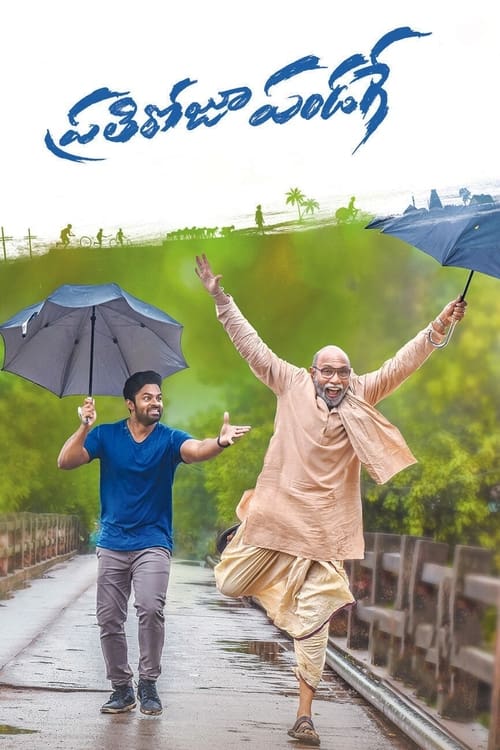
In the ending of "Prati Roju Pandaage," the family comes together to honor the wishes of their patriarch, Raghava Rao, who wishes to die in his hometown. After a series of emotional moments and reconciliations, Raghava passes away peacefully, surrounded by his loved ones. The family learns to cherish their bonds and the importance of togetherness, ultimately finding strength in their unity.
As the film approaches its conclusion, the narrative unfolds with a series of poignant scenes that encapsulate the emotional journey of the characters.
The first scene shows Raghava Rao, played by Sai Kumar, in his hospital bed, surrounded by his family. His health has deteriorated, and he expresses his desire to return to his village to spend his final days. The family, initially hesitant, realizes the importance of fulfilling his last wish. This moment is heavy with emotion, as Raghava's children and grandchildren grapple with the impending loss of their beloved patriarch.
Next, the family organizes a trip back to their ancestral village. The journey is filled with nostalgia, as they reminisce about their childhood and the memories associated with their grandfather. The visuals of the lush countryside and the vibrant village life contrast sharply with the somber mood of the family, highlighting the bittersweet nature of their return.
Upon reaching the village, Raghava is welcomed with open arms by the locals, who have great respect for him. The scenes depict the warmth of community and the deep-rooted connections that Raghava has fostered over the years. As he interacts with the villagers, there is a palpable sense of pride and fulfillment in his demeanor, showcasing his legacy.
In the following scenes, Raghava's health continues to decline, and the family rallies around him, sharing stories and laughter to uplift his spirits. The emotional weight of these moments is evident as each family member reflects on their relationship with Raghava. The audience witnesses the transformation of the characters, particularly the younger generation, who begin to understand the value of family and the importance of cherishing their time together.
As the climax approaches, Raghava's condition worsens, and he gathers his family for one last heartfelt conversation. He imparts wisdom and love, urging them to stay united and support one another. This scene is filled with tears and laughter, as the family recalls fond memories, creating a tapestry of love that binds them together.
In the final moments, Raghava peacefully passes away, surrounded by his family. The scene is serene, with soft lighting and a gentle score that underscores the gravity of the moment. The family, though heartbroken, finds solace in the knowledge that they honored his wishes and celebrated his life.
After Raghava's passing, the family comes together for the funeral, which is a poignant reflection of their love and respect for him. They share stories, laugh, and cry, reinforcing the bonds that Raghava had always cherished. The film concludes with a sense of hope and renewal, as the family vows to uphold the values he instilled in them.
In summary, the fates of the main characters are intertwined with Raghava's journey. His children and grandchildren emerge from the experience with a deeper understanding of family, love, and the importance of togetherness. The film closes on a note of unity, emphasizing that while Raghava may be gone, his spirit and teachings will live on through his family.
Is there a post-credit scene?
In the movie "Prati Roju Pandaage," there is indeed a post-credit scene that adds a humorous touch to the film's conclusion. After the main credits roll, the scene opens with the character Satyam, played by Sai Dharam Tej, who is seen in a light-hearted moment. He is engaged in a conversation with his family members, reflecting on the events that have transpired throughout the film.
As the scene unfolds, Satyam humorously discusses the lessons learned from his grandfather's life and the importance of family bonds. The atmosphere is filled with laughter and warmth, showcasing the close-knit relationships that have been a central theme of the movie. The scene serves to reinforce the film's message about cherishing family and the joy of togetherness.
This light-hearted moment not only provides a fitting end to the film but also leaves the audience with a smile, encapsulating the film's overall tone of love, humor, and familial connections.
What are the key events that lead to the climax of the film?
The climax is built up through a series of key events, including the grandfather's deteriorating health, Raghava's attempts to organize a grand birthday celebration, and the family's initial reluctance to come together. Tensions rise as misunderstandings and personal conflicts surface, but the turning point occurs when Raghava realizes the true meaning of family and love. This realization propels him to take decisive action, culminating in a heartfelt celebration that brings the family together, reinforcing their bonds.
How does the character of Raghava evolve throughout the film?
Raghava begins as a somewhat carefree and irresponsible young man, focused on his own life and career. However, as he navigates the challenges posed by his grandfather's health and the family's expectations, he undergoes significant growth. He learns the importance of family, tradition, and sacrifice, ultimately transforming into a more responsible and caring individual who prioritizes his grandfather's happiness over his own ambitions.
What is the significance of the character Raghava's relationship with his grandfather?
Raghava shares a deep bond with his grandfather, who is portrayed as a loving and wise figure. This relationship is central to the narrative, as Raghava's motivations are often driven by his desire to fulfill his grandfather's last wish of celebrating his 75th birthday in a grand manner. The emotional weight of their connection is highlighted through various flashbacks and moments of tenderness, showcasing Raghava's internal struggle between his responsibilities and his love for his grandfather.
What role does the character of the grandfather play in the family dynamics?
The grandfather serves as the emotional anchor of the family, representing wisdom, tradition, and the importance of familial bonds. His impending death creates a sense of urgency and brings the family together, forcing them to confront their differences and reconcile their relationships. His character acts as a catalyst for change, prompting each family member to reflect on their values and priorities.
How does the film portray the theme of generational conflict through its characters?
Generational conflict is depicted through the differing perspectives of Raghava and his grandfather, as well as other family members. Raghava's modern outlook clashes with his grandfather's traditional values, leading to moments of tension and misunderstanding. This conflict is explored through various interactions, highlighting the struggle between adhering to cultural traditions and embracing contemporary lifestyles, ultimately leading to a resolution that honors both perspectives.
Is this family friendly?
"Prati Roju Pandaage" is generally considered a family-friendly film, focusing on themes of love, family, and the importance of relationships. However, there are a few scenes and aspects that might be considered potentially objectionable or upsetting for children or sensitive viewers:
-
Death and Grief: The film deals with themes of mortality, as it revolves around the elderly patriarch's desire to fulfill his last wishes. Scenes depicting grief and the emotional impact of losing a loved one may be intense for younger audiences.
-
Family Conflicts: There are moments of tension and conflict among family members, which may include arguments or disagreements that could be unsettling for some viewers.
-
Romantic Elements: The film includes romantic subplots that may involve mild innuendos or discussions about relationships, which might not be suitable for very young children.
-
Emotional Moments: Several scenes evoke strong emotions, including sadness and nostalgia, which could be overwhelming for sensitive viewers.
Overall, while the film is designed to be heartwarming and entertaining, these elements may require parental guidance for younger audiences.









