













Popular
How does Sarah's relationship with her family evolve throughout the film?
What role does the character of Dr. Miller play in Sarah's journey?
What is the main conflict that drives the story in The Cure?
What are the consequences of the experimental treatment that Sarah undergoes?
How does the film portray the theme of hope through Sarah's character?
Should I watch it?
Ask Your Own Question

What is the plot?
Sorry, we aren't able to watch and write up a full detailed plot yet. Check back in a few days.
More Movies Like This
Browse All Movies →









What is the ending?
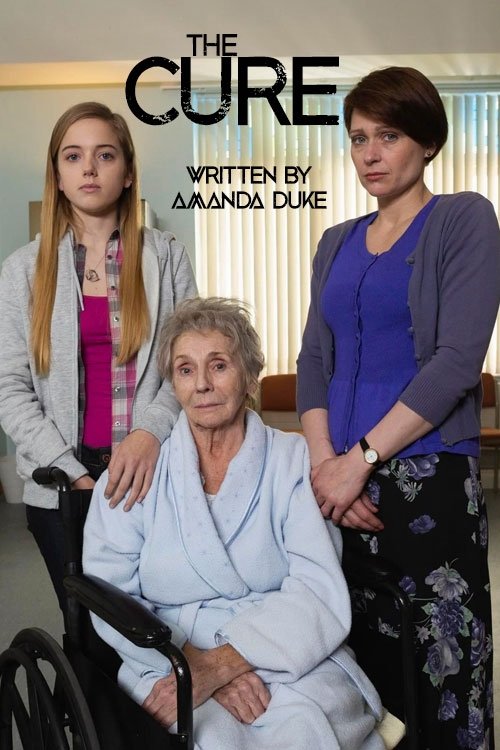
In the ending of "The Cure," the main character, a young woman named Sarah, confronts the truth about her illness and the nature of the cure she has been seeking. After a series of emotional revelations and confrontations with her family and friends, she ultimately decides to embrace her condition rather than seek a false sense of normalcy. The film concludes with Sarah finding peace within herself, accepting her journey, and choosing to live authentically.
As the final act unfolds, the scene opens in a dimly lit hospital room where Sarah lies in a bed, her face pale and drawn. The beeping of machines fills the air, a constant reminder of her fragile state. Her mother, visibly distressed, sits by her side, clutching Sarah's hand tightly. The tension in the room is palpable as they share a moment of silence, both grappling with the reality of Sarah's illness. Sarah's eyes flicker open, and she gazes at her mother, a mixture of fear and determination in her expression.
In the next scene, Sarah's best friend, Mia, enters the room, her face a mask of concern. She brings with her a sense of urgency, urging Sarah to consider a new experimental treatment that promises a cure. The conversation quickly escalates, with Sarah expressing her doubts about the treatment's effectiveness and the potential side effects. Mia, desperate to help, insists that this is their last chance, but Sarah's resolve begins to harden. She feels the weight of her illness but also the burden of expectations from those around her.
The following scene shifts to a family gathering in the hospital waiting area, where Sarah's father, a stoic figure, tries to maintain a sense of normalcy. He engages in small talk with relatives, but his eyes betray his worry. Sarah overhears snippets of their conversations, filled with whispers of hope and despair. This moment serves as a stark reminder of the impact her illness has on her loved ones, deepening her internal conflict.
As the climax approaches, Sarah makes a bold decision. She calls for her family to gather around her bed. With a trembling voice, she reveals her choice to forgo the experimental treatment. The room falls silent, shock etched on the faces of her family. Her mother gasps, tears streaming down her cheeks, while her father looks away, unable to process the weight of her words. Sarah explains that she wants to live authentically, embracing her illness rather than fighting against it. This moment is charged with raw emotion, as her family grapples with the implications of her decision.
In the final scenes, Sarah is seen in a serene garden outside the hospital, the sun casting a warm glow on her face. She sits on a bench, surrounded by blooming flowers, a stark contrast to the sterile environment of the hospital. Here, she finds a sense of peace, reflecting on her journey and the love that surrounds her. The camera captures her smile, a symbol of acceptance and strength.
The film concludes with a montage of Sarah's family and friends visiting her, sharing laughter and stories, creating memories that transcend her illness. Each character's fate is intertwined with Sarah's acceptance; her mother learns to let go of her fears, her father begins to express his emotions, and Mia finds a renewed sense of purpose in supporting Sarah's journey. The screen fades to black, leaving the audience with a poignant reminder of the importance of authenticity and the power of love in the face of adversity.
Is there a post-credit scene?
In the movie "The Cure" (2019), there is no post-credit scene. The film concludes its narrative without any additional scenes or content after the credits roll. The story wraps up with a focus on the emotional and psychological journey of the characters, leaving the audience with a sense of closure regarding the main plot.
How does Sarah's relationship with her family evolve throughout the film?
Sarah's relationship with her family is strained at the beginning of the film due to her illness and their differing views on treatment. As the story progresses, her family's desperation to help her leads to moments of tension, but ultimately, they come together in support of her choices, showcasing a deep emotional bond.
What role does the character of Dr. Miller play in Sarah's journey?
Dr. Miller is a pivotal character in Sarah's journey, serving as both a mentor and a source of conflict. He introduces her to the experimental treatment that could potentially save her life, but his own motivations and the ethical implications of his research create tension and force Sarah to confront difficult choices about her health and autonomy.
What is the main conflict that drives the story in The Cure?
The main conflict in The Cure revolves around the protagonist, a young woman named Sarah, who is struggling with a terminal illness. As she seeks a cure, she becomes entangled in a web of ethical dilemmas and moral questions surrounding experimental treatments and the lengths one will go to for survival.
What are the consequences of the experimental treatment that Sarah undergoes?
The experimental treatment that Sarah undergoes leads to both miraculous improvements in her health and unforeseen side effects that complicate her recovery. As she experiences the highs and lows of the treatment, she grapples with the physical and emotional toll it takes on her, leading to a deeper exploration of what it means to be 'cured'.
How does the film portray the theme of hope through Sarah's character?
Throughout The Cure, Sarah embodies the theme of hope as she navigates her illness and the uncertainties of her treatment. Her determination to fight for her life, despite the odds, inspires those around her and highlights the resilience of the human spirit, even in the face of despair.
Is this family friendly?
"The Cure," produced in 2019, is a psychological thriller that delves into themes of trauma, mental health, and the complexities of human relationships. While it may not be explicitly graphic, there are several elements that could be considered objectionable or upsetting for children or sensitive viewers.
-
Intense Emotional Scenes: The film features moments of high emotional tension, including characters experiencing deep despair, anxiety, and conflict, which may be distressing for younger audiences.
-
Themes of Mental Illness: The portrayal of mental health issues is central to the narrative, and some scenes may depict characters struggling with their mental states in ways that could be unsettling.
-
Family Conflict: There are scenes that involve significant family strife, including arguments and confrontations that may resonate negatively with viewers who have experienced similar situations.
-
Dark Atmosphere: The overall tone of the film is somber and tense, which may create an uncomfortable viewing experience for sensitive individuals.
-
Subtle References to Trauma: The film touches on past traumas that characters have endured, which could be triggering for some viewers.
Overall, while "The Cure" is not overtly violent or graphic, its exploration of heavy themes and emotional struggles may not be suitable for all audiences, particularly children or those who are sensitive to such topics.









