
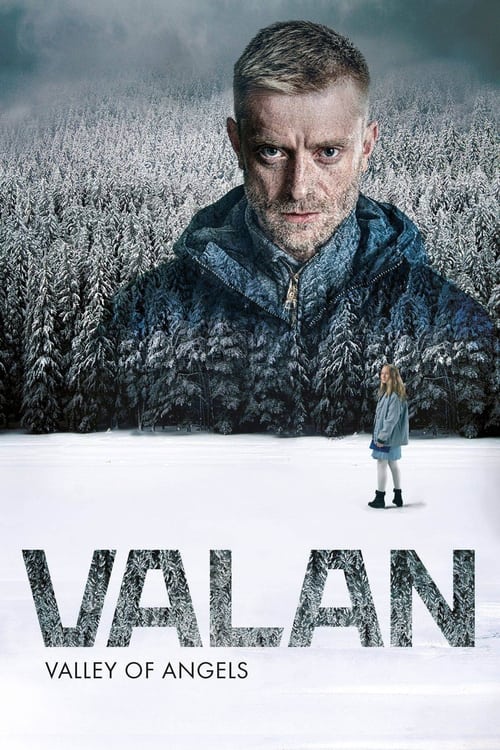






Popular
How does the protagonist's relationship with their family evolve throughout the film?
What are the key moments that lead to the protagonist's transformation?
What is the significance of the valley in the story?
What role do the angels play in the protagonist's journey?
How does the antagonist's motivations impact the protagonist's journey?
Should I watch it?
Ask Your Own Question

What is the plot?
Sorry, we aren't able to watch and write up a full detailed plot yet. Check back in a few days.








What is the ending?
In the ending of "Valan: Valley of Angels," the protagonist, a young boy named Kiran, confronts the dark forces threatening his village. He ultimately finds the strength to protect his home and the people he loves, leading to a climactic battle. The film concludes with Kiran emerging as a hero, having saved his village, while the spirits of the valley are at peace.
As the final act unfolds, the tension in the village escalates. Kiran, having learned about the ancient legends and the significance of the valley, stands at the edge of the forest, where the dark forces have begun to manifest. The air is thick with anticipation, and the villagers, filled with fear, look to Kiran for guidance. His heart races, torn between the weight of responsibility and the desire to protect his loved ones.
Scene by scene, the climax begins with Kiran gathering the villagers. He speaks passionately, urging them to unite against the encroaching darkness. The camera captures the determination in his eyes, reflecting his internal struggle and resolve. The villagers, initially hesitant, begin to rally behind him, inspired by his courage.
As night falls, the dark forces, represented by shadowy figures and ominous sounds, descend upon the village. Kiran leads the villagers to the sacred site in the valley, where they prepare to confront the threat. The atmosphere is charged with fear and hope, as the villagers hold hands, forming a protective circle. Kiran stands at the center, channeling the energy of the valley, which begins to glow with a mystical light.
The battle erupts as the dark forces attack. Kiran, fueled by the spirits of the valley, fights valiantly alongside the villagers. The visuals are striking, with flashes of light and shadow clashing in a chaotic dance. Kiran's bravery shines through as he faces the leader of the dark forces, a menacing figure that embodies the village's fears. Their confrontation is intense, filled with emotional stakes as Kiran fights not just for survival, but for the future of his home.
In a pivotal moment, Kiran recalls the teachings of his ancestors, tapping into the valley's ancient magic. He raises his hands, and a surge of light emanates from him, pushing back the darkness. The villagers, inspired by Kiran's strength, join in, their collective energy amplifying the power of the valley. The dark forces begin to falter, retreating into the shadows.
As dawn breaks, the battle reaches its climax. Kiran, with one final surge of determination, confronts the dark leader. In a breathtaking moment, he channels the full power of the valley, and with a brilliant flash, the dark forces are vanquished. The village is saved, and the spirits of the valley are released, bringing a sense of peace and harmony back to the land.
In the aftermath, the villagers celebrate their victory, embracing Kiran as their hero. The camera captures the joy and relief on their faces, highlighting the bond that has been strengthened through their shared struggle. Kiran, though weary, stands tall, knowing he has fulfilled his destiny.
The film concludes with a serene shot of the valley, now bathed in sunlight, symbolizing hope and renewal. Kiran looks out over the landscape, a sense of fulfillment washing over him. The spirits of the valley, now at peace, whisper their gratitude, leaving Kiran with a profound sense of purpose and belonging.
In the end, Kiran's journey from a frightened boy to a courageous leader encapsulates the film's themes of bravery, unity, and the importance of protecting one's home. The fate of the main characters is intertwined with the valley itself, as they all emerge transformed by the experience, ready to embrace a brighter future together.
Is there a post-credit scene?
In the movie "Valan: Valley of Angels," there is indeed a post-credit scene that adds an intriguing layer to the story. After the credits roll, the screen fades back in to reveal a serene landscape of the valley, bathed in the soft glow of dawn. The camera pans slowly over the lush greenery and the distant mountains, creating a sense of peace and tranquility.
As the scene unfolds, a figure emerges from the shadows of the trees. It is one of the characters who had a significant role in the film, and they appear contemplative, gazing out over the valley. The character's expression is a mix of hope and determination, suggesting that they are reflecting on the events that transpired and the journey ahead.
In this moment, the character pulls out a small, weathered object from their pocket--a token that symbolizes their connection to the valley and the experiences they shared with others. The camera zooms in on the object, highlighting its importance. The character then whispers a promise to protect the valley and its secrets, hinting at future challenges and adventures.
The scene closes with a wide shot of the valley, the sun rising higher in the sky, symbolizing new beginnings and the enduring spirit of the characters. This post-credit moment leaves the audience with a sense of anticipation, suggesting that the story of Valan is far from over.
How does the protagonist's relationship with their family evolve throughout the film?
The protagonist initially struggles with feelings of abandonment and resentment towards their family. As the story unfolds, they confront these emotions, leading to moments of reconciliation and understanding, ultimately strengthening their familial bonds.
What are the key moments that lead to the protagonist's transformation?
Key moments include encounters with the angels that challenge the protagonist's beliefs, confrontations with the antagonist that reveal deeper truths, and pivotal scenes of introspection in the valley that catalyze their emotional and spiritual growth.
What is the significance of the valley in the story?
The valley serves as a mystical and transformative setting where the characters confront their pasts and seek redemption. It symbolizes both a physical and emotional journey, representing a place of healing and revelation.
What role do the angels play in the protagonist's journey?
The angels act as guides and protectors, appearing at critical moments to offer wisdom and support. They symbolize hope and the possibility of change, helping the protagonist navigate their inner turmoil and find clarity.
How does the antagonist's motivations impact the protagonist's journey?
The antagonist embodies the protagonist's fears and insecurities, creating obstacles that force the protagonist to confront their own weaknesses. This conflict drives the narrative forward, pushing the protagonist towards growth and self-discovery.
Is this family friendly?
"Valan: Valley of Angels" is a film that contains several elements that may not be suitable for younger audiences or sensitive viewers. Here are some potentially objectionable or upsetting aspects:
-
Violence: The film includes scenes of conflict and physical altercations that may be intense or distressing for children.
-
Emotional Turmoil: Characters experience significant emotional struggles, including grief and loss, which may be heavy for younger viewers to process.
-
Dark Themes: The narrative explores themes of betrayal, survival, and the consequences of choices, which can be complex and unsettling.
-
Mature Situations: There are moments that touch on adult themes, including moral dilemmas and the impact of past actions on present circumstances.
-
Tense Atmosphere: The overall tone of the film can be suspenseful and may evoke feelings of anxiety or fear, particularly in critical scenes.
These elements contribute to a narrative that, while rich in storytelling, may not be appropriate for all audiences, especially children.








