




Popular
How does the protagonist's mental state evolve throughout the film?
What is the significance of the Old Hag in the story?
How does the protagonist's relationship with her family influence her experiences with the Old Hag?
What role does the setting play in the protagonist's encounters with the Old Hag?
What are the key moments that trigger the protagonist's visions of the Old Hag?
Should I watch it?
Ask Your Own Question

What is the plot?
Sorry, we aren't able to watch and write up a full detailed plot yet. Check back in a few days.
More Movies Like This
Browse All Movies →

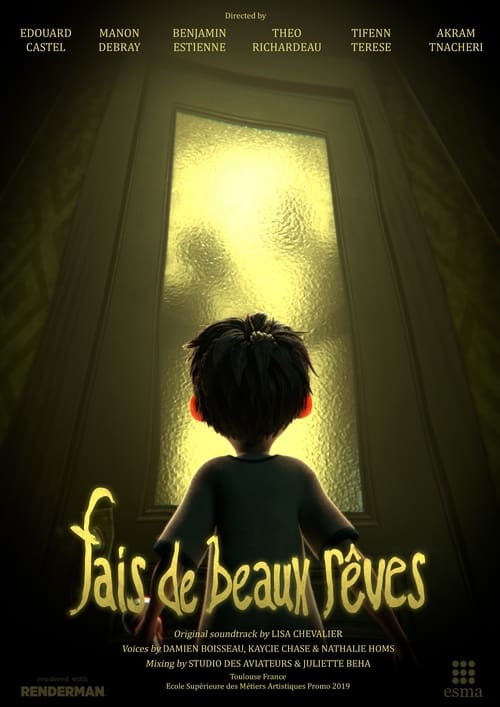



What is the ending?
In the ending of "Old Hag," the protagonist, a young woman named Sarah, confronts the supernatural entity that has been haunting her. After a series of terrifying encounters, she ultimately faces the Old Hag in a climactic showdown. The film concludes with Sarah breaking free from the entity's grip, but not without significant emotional and psychological scars. The fate of the other characters, including her friend and the people affected by the Hag's presence, is left ambiguous, suggesting a lingering impact of the haunting.
As the film approaches its conclusion, the tension escalates. Sarah, having experienced numerous terrifying nights plagued by the Old Hag, begins to unravel the mystery behind the entity. In a pivotal scene, she discovers an old journal belonging to her grandmother, which details similar experiences with the Hag. This revelation fuels her determination to confront the entity rather than continue to live in fear.
The final confrontation occurs in Sarah's dimly lit bedroom, where the atmosphere is thick with dread. Shadows dance on the walls as the clock ticks ominously. Sarah, armed with the knowledge from her grandmother's journal, prepares herself mentally and emotionally. She recalls the advice written in the journal: to face the Hag with courage and assert her own power.
As the clock strikes midnight, the Old Hag materializes, a grotesque figure shrouded in darkness. Sarah feels a rush of fear but stands her ground, her heart pounding in her chest. The Hag lunges at her, but instead of succumbing to terror, Sarah shouts defiantly, declaring that she will not be a victim any longer. This moment of empowerment is visually striking, as the room seems to pulse with energy, the shadows flickering in response to her newfound strength.
The Hag, momentarily taken aback by Sarah's defiance, hesitates. This brief pause allows Sarah to push forward, using the knowledge from the journal to confront the entity with a series of affirmations about her own worth and strength. The air crackles with tension as the Hag's form begins to waver, revealing glimpses of the tortured soul trapped within.
In a final, desperate attempt to reclaim her life, Sarah reaches out, not in fear, but in compassion, recognizing the pain that the Hag embodies. This act of empathy seems to resonate with the entity, and in a dramatic visual transformation, the Hag dissipates into a swirl of shadows, leaving behind a faint whisper of sorrow.
As dawn breaks, the first light of morning spills into the room, illuminating Sarah's exhausted but resolute face. She collapses onto her bed, tears streaming down her cheeks, a mixture of relief and lingering fear evident in her expression. The camera lingers on her, capturing the emotional weight of her victory, but also the scars left by the ordeal.
The film concludes with a montage of Sarah moving forward in her life. She reconnects with her friends, who had been worried about her, and begins to heal from the trauma. However, the final shot hints at the lasting impact of her experience, as a shadow flickers across her bedroom wall, suggesting that while she has triumphed, the memory of the Old Hag will always be a part of her.
The fates of the other characters remain ambiguous; her friend, who had been supportive throughout her ordeal, is seen in the background, but their future together is uncertain. The film leaves viewers with a sense of unresolved tension, emphasizing the lasting effects of trauma and the complexities of confronting one's fears.
Is there a post-credit scene?
In the movie "Old Hag," there is no post-credit scene. The film concludes its narrative without any additional scenes after the credits roll. The story wraps up with a sense of finality, leaving the audience to reflect on the themes of fear, isolation, and the haunting nature of the past that permeate the film. The absence of a post-credit scene reinforces the emotional weight of the story, allowing viewers to fully absorb the impact of the characters' journeys and the chilling atmosphere that has been established throughout the film.
How does the protagonist's mental state evolve throughout the film?
Initially, the protagonist is depicted as anxious and overwhelmed by her past. As the film progresses, her encounters with the Old Hag force her to confront her fears, leading to moments of clarity and self-discovery, though not without significant emotional turmoil.
What is the significance of the Old Hag in the story?
The Old Hag serves as a manifestation of the protagonist's deepest fears and traumas. She represents the psychological struggles that haunt the main character, often appearing in nightmarish visions that blur the line between reality and hallucination.
How does the protagonist's relationship with her family influence her experiences with the Old Hag?
The protagonist's strained relationship with her family, particularly her mother, exacerbates her feelings of isolation and vulnerability. This familial tension is mirrored in her encounters with the Old Hag, as the creature often embodies the unresolved issues and emotional baggage from her past.
What role does the setting play in the protagonist's encounters with the Old Hag?
The setting, primarily the protagonist's childhood home, is steeped in memories and emotions that amplify her fear. The dark, claustrophobic spaces of the house become a character in themselves, reflecting her internal turmoil and serving as the backdrop for her haunting experiences.
What are the key moments that trigger the protagonist's visions of the Old Hag?
Key moments include instances of stress or confrontation with her family, particularly when she feels judged or misunderstood. These triggers often lead to intense hallucinations where the Old Hag appears, symbolizing her internal struggles and the weight of her unresolved issues.
Is this family friendly?
"Old Hag," produced in 2019, is not considered family-friendly due to its themes and content. The film contains several potentially objectionable or upsetting aspects that may affect children or sensitive viewers:
-
Supernatural Elements: The film explores themes of nightmares and supernatural occurrences, which may be frightening for younger audiences.
-
Intense Psychological Horror: There are scenes that delve into psychological terror, showcasing characters in distressing situations that could evoke fear or anxiety.
-
Violence and Threats: The narrative includes moments of implied violence and threats, which may be unsettling for viewers.
-
Dark Themes: The film addresses themes of fear, isolation, and the unknown, which can be emotionally heavy and disturbing.
-
Nightmare Sequences: The portrayal of nightmares and sleep paralysis can be particularly distressing, as they tap into primal fears.
These elements contribute to an overall atmosphere that may not be suitable for children or those who are sensitive to horror and psychological tension.








