
















Popular
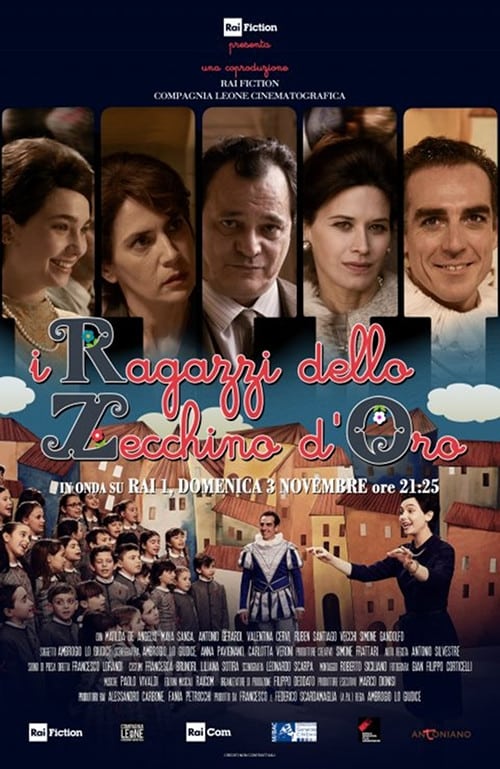
Who are the main child characters in I ragazzi dello Zecchino d'Oro?
What challenges do the children face during the Zecchino d'Oro competition?
How does the character of the music teacher influence the children?
What role does friendship play in the story of I ragazzi dello Zecchino d'Oro?
How do the children's performances reflect their personal journeys?
Should I watch it?
Ask Your Own Question

What is the plot?
Sorry, we aren't able to watch and write up a full detailed plot yet. Check back in a few days.
More Movies Like This
Browse All Movies →





What is the ending?
In the ending of "I ragazzi dello Zecchino d'Oro," the children participate in the final competition of the Zecchino d'Oro festival. They perform their songs with passion and joy, showcasing their growth and the friendships they have formed. The event culminates in a celebration of music and childhood, emphasizing the importance of dreams and unity. The film concludes with a sense of fulfillment as the children embrace their experiences, regardless of the competition's outcome.
As the final scenes unfold, the atmosphere is charged with excitement and anticipation. The children gather backstage, their faces a mix of nerves and exhilaration. Each child reflects on their journey, recalling the challenges they faced and the bonds they formed. The camera captures their expressions, revealing a deep sense of camaraderie and determination.
The stage is set for the grand finale of the Zecchino d'Oro festival. The lights dim, and the audience buzzes with energy. One by one, the children step into the spotlight, their hearts racing as they prepare to perform. The first act begins, and the sound of their voices fills the auditorium, resonating with innocence and joy. The songs they sing are not just melodies; they are expressions of their dreams, hopes, and the stories of their lives.
As the performances progress, the film intercuts between the stage and the audience, showcasing the reactions of family members and friends who have come to support the children. Tears of pride and joy glisten in the eyes of parents, while the children's laughter and smiles reflect their pure love for music. Each performance is a testament to their hard work and dedication, and the audience is captivated by their talent.
In a pivotal moment, the final act features a group performance that brings all the children together on stage. They sing in harmony, their voices blending beautifully, symbolizing unity and friendship. The camera pans across their faces, capturing the joy and exhilaration of the moment. It is a celebration of childhood, where competition fades into the background, and the love for music takes center stage.
As the performances conclude, the judges deliberate, and the tension in the air is palpable. The children huddle together, their hands clasped, sharing whispers of encouragement. They have come to realize that the experience itself has been more valuable than any trophy. The film emphasizes the importance of collaboration and support among friends, highlighting that the journey is just as significant as the destination.
Finally, the results are announced. The children listen intently, their hearts pounding. Regardless of the outcome, they erupt into cheers and applause for one another, celebrating their shared experiences. The film closes with a montage of the children embracing, laughing, and enjoying the moment together, reinforcing the message that the bonds they have formed are the true prize.
In the end, each main character finds fulfillment in their journey. They have grown not only as performers but as individuals, learning the value of friendship, perseverance, and the joy of music. The festival may have concluded, but the memories and lessons they carry forward will last a lifetime. The screen fades to black, leaving the audience with a sense of hope and inspiration, echoing the film's central themes of unity and the power of dreams.
Is there a post-credit scene?
The movie "I ragazzi dello Zecchino d'Oro," produced in 2019, does not feature a post-credit scene. The film concludes its narrative without any additional scenes or content after the credits roll. The focus remains on the heartwarming story of the children participating in the Zecchino d'Oro music festival, their dreams, and the emotional journey they undertake throughout the competition. The ending encapsulates the themes of friendship, perseverance, and the joy of music, leaving the audience with a sense of closure and fulfillment.
Who are the main child characters in I ragazzi dello Zecchino d'Oro?
The main child characters include a diverse group of young singers, each with their own unique backgrounds and personalities. They come together to participate in the Zecchino d'Oro music festival, showcasing their talents and forming friendships throughout the competition.
What challenges do the children face during the Zecchino d'Oro competition?
The children face various challenges, including stage fright, rivalry among contestants, and the pressure to perform well. They also deal with personal struggles, such as family expectations and the desire to be accepted by their peers.
How does the character of the music teacher influence the children?
The music teacher plays a pivotal role in guiding and mentoring the children. She encourages them to express themselves through music, helping them build confidence and overcome their fears. Her passion for music inspires the children to strive for their best.
What role does friendship play in the story of I ragazzi dello Zecchino d'Oro?
Friendship is a central theme in the film, as the children bond over their shared experiences and support each other through the ups and downs of the competition. Their friendships help them navigate the emotional challenges they face and ultimately contribute to their growth as individuals.
How do the children's performances reflect their personal journeys?
Each child's performance during the competition reflects their personal journey, showcasing their growth, struggles, and triumphs. Through their songs, they express their emotions and experiences, allowing the audience to connect with their individual stories and aspirations.
Is this family friendly?
"I ragazzi dello Zecchino d'Oro," produced in 2019, is generally considered family-friendly, focusing on themes of childhood, music, and friendship. However, there are a few aspects that might be potentially objectionable or upsetting for children or sensitive viewers:
-
Emotional Struggles: Some characters experience moments of sadness or disappointment, particularly related to their aspirations and the pressures of performing, which may resonate deeply with sensitive viewers.
-
Competition Pressure: The film portrays the competitive nature of the Zecchino d'Oro festival, which could evoke feelings of anxiety or stress in children who may relate to the pressure to succeed.
-
Family Dynamics: There are scenes that explore family relationships, including misunderstandings or conflicts, which might be difficult for some children to watch, especially if they have experienced similar situations.
-
Themes of Loss: The narrative touches on themes of loss and longing, which could be emotionally challenging for younger audiences or those who have faced similar experiences.
Overall, while the film is designed to be uplifting and celebratory, these elements may require parental guidance for younger viewers.







