
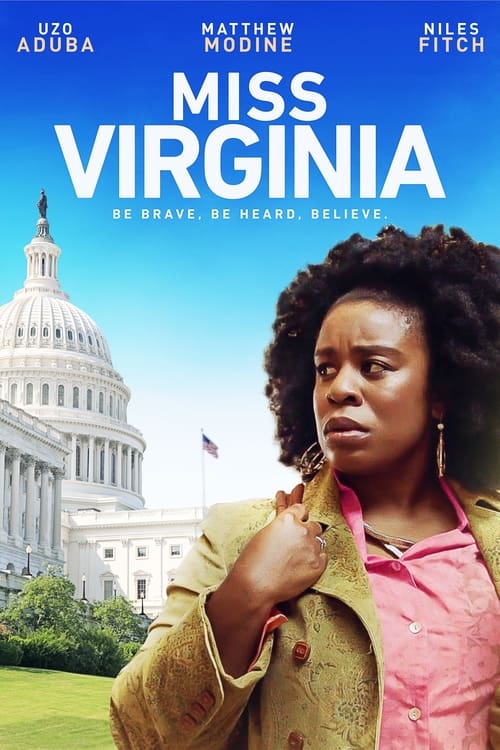

















Popular
What motivates Virginia to fight for her son's education?
How does Virginia's relationship with her son evolve throughout the film?
What challenges does Virginia face in her fight for educational reform?
Who are the key allies that support Virginia in her mission?
What role does the school board play in the story, and how does Virginia confront them?
Should I watch it?
Ask Your Own Question

What is the plot?
Sorry, we aren't able to watch and write up a full detailed plot yet. Check back in a few days.






What is the ending?
In the ending of "Miss Virginia," Virginia Walden Ford successfully advocates for educational reform, leading to the establishment of a charter school. She faces opposition but ultimately triumphs, gaining recognition for her efforts. The film concludes with a sense of hope and determination as Virginia reflects on her journey and the impact she has made on her community.
As the film approaches its climax, Virginia Walden Ford stands at a pivotal moment in her fight for educational reform. The scene opens with Virginia, portrayed with a fierce determination, preparing for a crucial meeting with the school board. The tension is palpable as she gathers her supporters, including her son, who has been a source of both motivation and concern throughout her journey. Virginia's internal struggle is evident; she is torn between her desire to provide a better future for her son and the fear of failing her community.
In the next scene, Virginia presents her case to the school board, passionately arguing for the need for a charter school that would serve the underprivileged children in her neighborhood. The board members listen skeptically, their expressions revealing their doubts about her vision. Virginia's voice quivers with emotion as she recounts her own experiences and the struggles faced by families in her community. The stakes are high, and the weight of her mission hangs heavily on her shoulders.
As the meeting progresses, Virginia faces fierce opposition from a board member who questions her qualifications and the feasibility of her proposal. The tension escalates, and Virginia's frustration boils over. She stands her ground, fueled by the memories of her son's struggles in the failing public school system. The scene captures her vulnerability and strength, showcasing her unwavering commitment to her cause.
Following the intense meeting, Virginia finds solace in the support of her friends and fellow advocates. They gather in a small, dimly lit room, sharing their fears and hopes. Virginia's son, who has been a silent observer, finally speaks up, expressing his pride in his mother and his belief in her mission. This moment of connection reinforces the bond between them and highlights the personal stakes involved in Virginia's fight.
The narrative shifts to a community rally organized by Virginia, where she mobilizes parents and children to advocate for their right to quality education. The atmosphere is electric, filled with chants and signs demanding change. Virginia stands at the forefront, her heart swelling with pride as she witnesses the community come together. This scene serves as a powerful reminder of the collective strength found in unity.
As the film nears its conclusion, Virginia receives the news that her charter school proposal has been approved. The scene is filled with jubilation as she embraces her supporters, tears of joy streaming down her face. This victory is not just hers; it symbolizes hope for countless children who will now have access to a better education. Virginia's son watches her with admiration, understanding the significance of this moment.
In the final scenes, Virginia reflects on her journey, standing in front of the newly established charter school. The building is vibrant and filled with children eager to learn. Virginia's expression is a mix of relief and determination, knowing that the fight for educational equity is far from over. She acknowledges the challenges ahead but is resolute in her commitment to continue advocating for her community.
The film closes with a montage of Virginia engaging with students, teachers, and parents, illustrating the positive impact of her efforts. Each character, from her son to her supporters, finds a sense of purpose and hope in the new opportunities created by the charter school. Virginia's journey is a testament to resilience and the power of one individual's voice to inspire change, leaving the audience with a sense of optimism for the future.
Is there a post-credit scene?
The movie "Miss Virginia," produced in 2019, does not have a post-credit scene. The film concludes with a powerful resolution to Virginia's journey, focusing on her fight for educational reform and the impact she has made in her community. The ending emphasizes her determination and the changes she has inspired, leaving the audience with a sense of hope and empowerment without any additional scenes after the credits.
What motivates Virginia to fight for her son's education?
Virginia, a single mother struggling to make ends meet, is deeply motivated by her love for her son, who is caught in a failing school system. She witnesses firsthand the negative impact of inadequate education on his future and is determined to provide him with better opportunities. Her desperation and fierce maternal instinct drive her to take action, leading her to confront systemic issues in the education system.
How does Virginia's relationship with her son evolve throughout the film?
At the beginning of the film, Virginia's relationship with her son, who is frustrated and disillusioned with his school, is strained. As she becomes more involved in advocating for his education, their bond strengthens. Virginia's determination inspires her son, and he begins to see her as a role model. Their relationship evolves from one of tension to mutual respect and understanding as they navigate the challenges together.
What challenges does Virginia face in her fight for educational reform?
Virginia faces numerous challenges, including opposition from school officials and a lack of resources. She encounters bureaucratic red tape and resistance from those who benefit from the status quo. Additionally, she struggles with her own financial instability and the fear of losing custody of her son. These obstacles test her resolve but also fuel her determination to advocate for change.
Who are the key allies that support Virginia in her mission?
Virginia finds support from a diverse group of allies, including fellow parents who share her concerns, a passionate teacher who believes in her cause, and a local activist who helps her navigate the political landscape. These relationships are crucial as they provide her with the encouragement, resources, and strategic advice needed to amplify her voice and push for educational reform.
What role does the school board play in the story, and how does Virginia confront them?
The school board represents the entrenched interests of the education system that Virginia seeks to challenge. They initially dismiss her concerns and resist her calls for change. Virginia confronts them by organizing protests, speaking at meetings, and rallying community support. Her confrontations are emotionally charged, showcasing her determination to hold them accountable for the failures of the education system.
Is this family friendly?
"Miss Virginia" is a drama that tackles serious social issues, which may not be suitable for all children or sensitive viewers. Here are some potentially objectionable or upsetting aspects:
-
Themes of Poverty: The film portrays the struggles of families living in poverty, which may be distressing for younger viewers or those sensitive to issues of economic hardship.
-
School System Critique: There are scenes that depict the failures of the education system, including discussions about inadequate resources and the impact on children, which may be upsetting.
-
Substance Abuse: The film touches on themes of drug use and its effects on families, which could be troubling for some audiences.
-
Emotional Turmoil: Characters experience significant emotional distress, including feelings of hopelessness and frustration, which may resonate deeply and be upsetting.
-
Conflict and Confrontation: There are scenes of conflict, including confrontations that may be intense or uncomfortable for younger viewers.
-
Social Injustice: The film addresses issues of social injustice and systemic inequality, which may be heavy themes for children to process.
Overall, while "Miss Virginia" carries a powerful message about resilience and advocacy, its serious themes and emotional weight may not be suitable for all audiences, particularly younger children.